Shenzhen Wesort Optoelectronics Co., Ltd.
Address:Building 29, Longwangmiao Industrial Zone, Fuyong street, Bao'an District, Shenzhen, Guangdong Province, China.
Phone:+86 181 2370 6862

At present, the color sorters on the market are mainly divided into two types: crawler color sorters and chute color sorters. Is it better to use a crawler type or a chute type for the color sorter? Which one is more efficient to use? Compared with the traditional chute color sorter, the crawler color sorter can highlight the advantages of the crawler in terms of color sorting accuracy, sorting damage rate, and processing output per hour. Therefore, the crawler color sorter is accepted by more and more customers, and the market share is gradually expanding.
The following editor introduces a sliding slot color sorter and a crawler color sorter, and the difference between the two.
1. What is a chute color sorter?
The chute color sorter uses gravity to make materials slide at a high speed along the chute. Some materials cannot slide at a constant speed or jump up and down during the sliding process, which makes the color sorting accuracy not high.
There are two very important links when the color sorter works, namely optical imaging and nozzles. The main function of optical imaging is to identify materials, and the nozzle is mainly to remove materials on the basis of identification. Inside the whole machine, there is a distance of about 10cm between the optical imaging point and the nozzle position, so the material needs a fixed delay and a stable running track from the position where the material is found to the position of the nozzle. The material jumps up and down on the chute machine, which causes the material to not run on the chute at a uniform speed. If the speed is inconsistent, the nozzle delay is also inconsistent, which will cause the nozzle to move in advance or delay, and ultimately lead to the decline of the color selection accuracy.
In addition, the up and down movement of the material actually affects the distance between the material and the optical imaging lens, resulting in blurred imaging, and also affects the distance between the material and the nozzle. Therefore, when the material is too far from the nozzle, the force of the nozzle on the material will be weakened, thereby reducing the color selection accuracy. 2. What is a crawler color sorter?
The crawler color sorter is to transport the materials to the sorting area by the conveyor of the crawler. During this process, the materials run at a constant speed and are relatively static, which can well maintain a fixed delay and a stable running track. This ensures the accuracy of color selection to the greatest extent.
When the chute color sorter is running, the material is continuously accelerated from top to bottom. Even if the color sorting is completed, the material will still be accelerated for a period of time and distance, which will increase the damage to the material and result in a high rate of damage. However, the crawler color sorter does not have this defect. The material moves horizontally on the crawler and falls flat. The material does not have the problem of excessive acceleration, and the damage to the material is relatively minor and the damage is small. For materials that require high breakage rates such as peanuts, peanuts, peeled peanuts, garlic, tea, etc., Zhongrui Microvision's crawler color sorter has been verified on site by customers, and the effect is significant and the damage rate is very low.
3. Analysis of the scope of application of chute color sorter and crawler color sorter
In contrast, the chute color sorter, because the channel is designed according to the shape and size of the product, it is suitable for regular materials such as rice and wheat. For materials with large differences in shape and size, such as peanuts, plastics, ore, and tea, the color The selection effect is not ideal. With the continuous enrichment of the types of materials on the market and the continuous improvement of color sorting requirements, the chute color sorting machine has gradually not adapted to the development trend of the color sorting industry.
This is not the case for crawler color sorters, which are suitable for color sorting of various materials. In terms of color sorting output, the speed of the crawler color sorting machine is controllable and the output can be adjusted. The design is specifically based on the actual production of the customer. The chute color sorter has a fixed structure, a fixed speed, and a fixed output.
Compared with the chute machine, the crawler color sorter requires some moving parts and the structure is relatively complicated, so the cost is relatively high. However, in a comprehensive comparison, the economic benefits of the crawler color sorter are still far greater than the cost. 4. Choose plastic, which is better for color sorter with crawler type or chute type?
Therefore, compared with the chute color sorter, the crawler color sorter has the advantages of a wide range of optional materials, high color sorting accuracy, small damage, high output, and small carry-out ratio. All in all, the cost performance of the crawler color sorter is higher than that of the traditional chute color sorter. The ability to use mechanization to select high-quality products has promoted the sustainable development of the plastics industry and played a role in protecting the environment.

Mexico has a strong coffee-processing industry, with coffee producers and processors facing increasingly demanding requirements for quality, consistency, and production efficiency. From coffee cherries and green coffee beans to roasted coffee, effect...
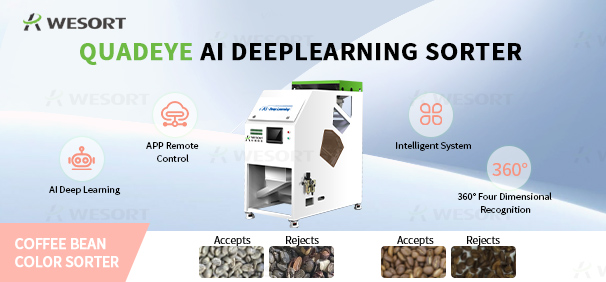
Coffee quality control depends heavily on the equipment used to remove defective beans, foreign materials, and quality inconsistencies before roasting or export. For coffee processors, roasteries, and exporters, AI-powered optical color sorters h...
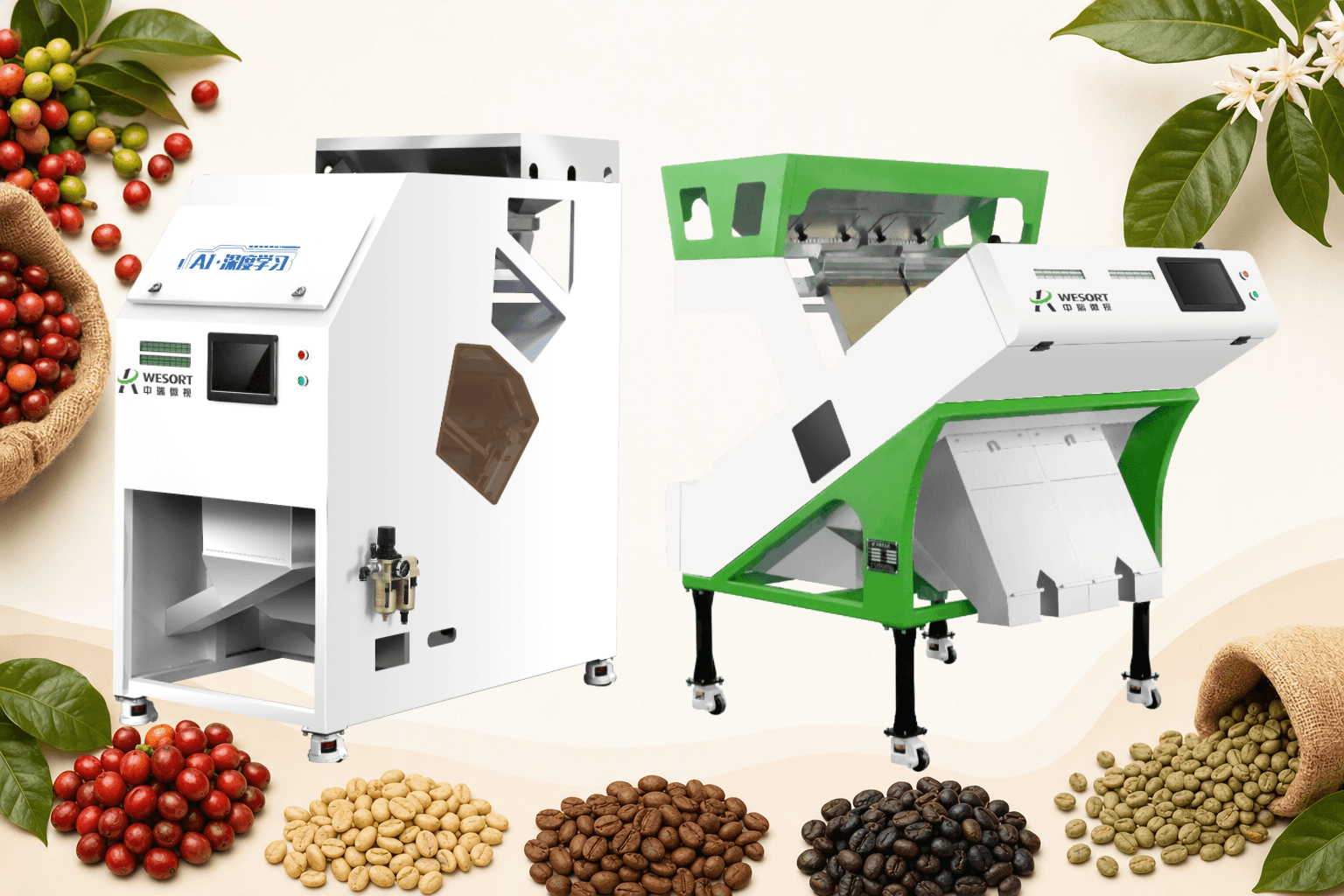
Coffee processors around the world are under growing pressure to deliver consistent quality while controlling costs and meeting strict export standards. Manual sorting—long the default method for removing quakers, scorched beans, and foreign matter...

Upgrade Your Sorting Solution with Exclusive Benefits In 2026. WESORT continues to move forward with innovation, quality, and commitment. We sincerely appreciate the trust and support from customers around the world. To give back to our global ...
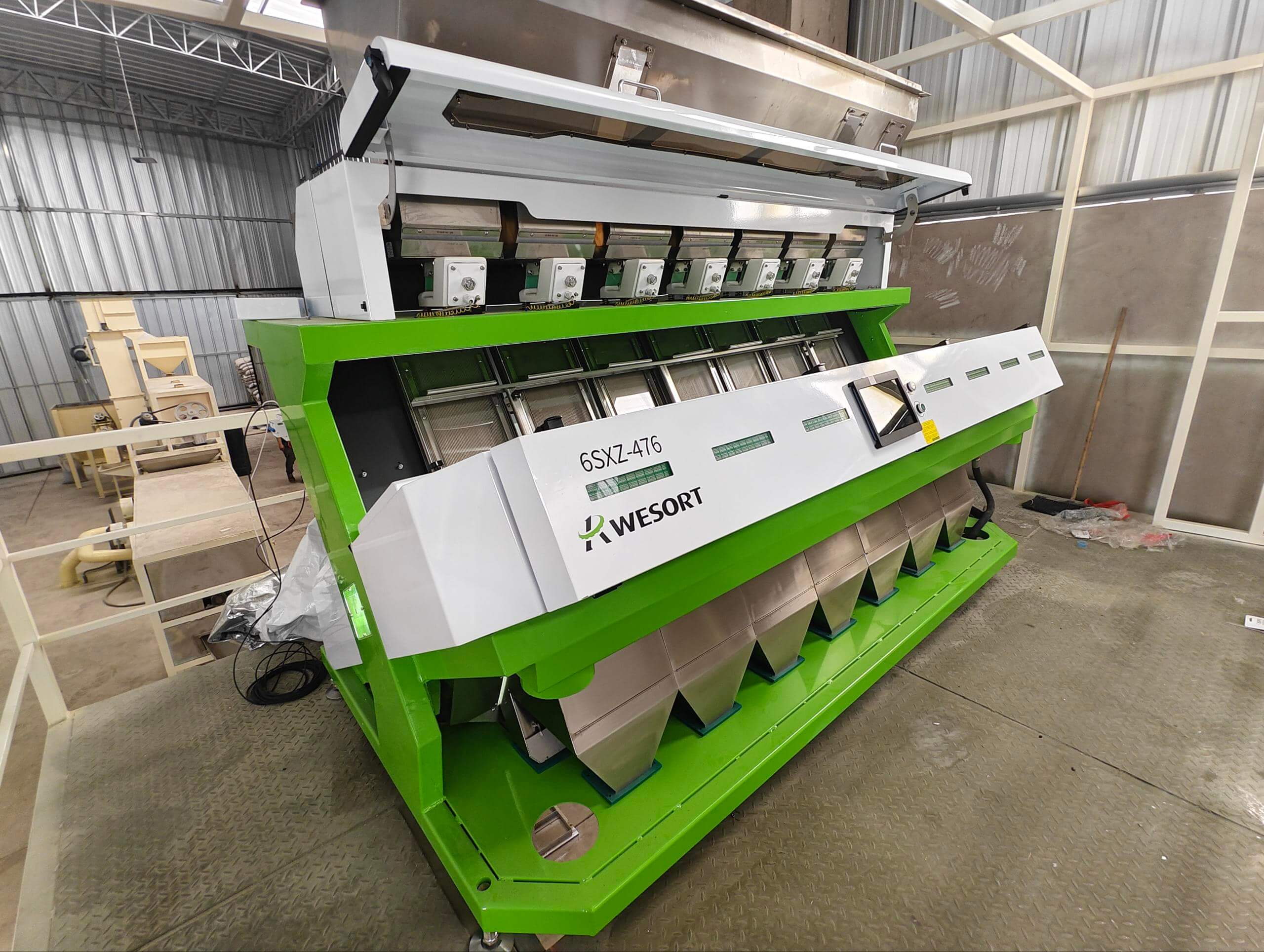
The best bean-sorting result does not begin with a machine setting. It begins with a clear description of the beans you want to pack, the defects your buyer rejects and the amount of good product you are prepared to lose. Short answer: clean and s...

When nut processing enters its busiest weeks, inconsistent raw material, visible defects and foreign materials can quickly become production problems. For processors handling hazelnuts, pistachios, almonds, pecans, Brazil nuts, peanuts and other nut...
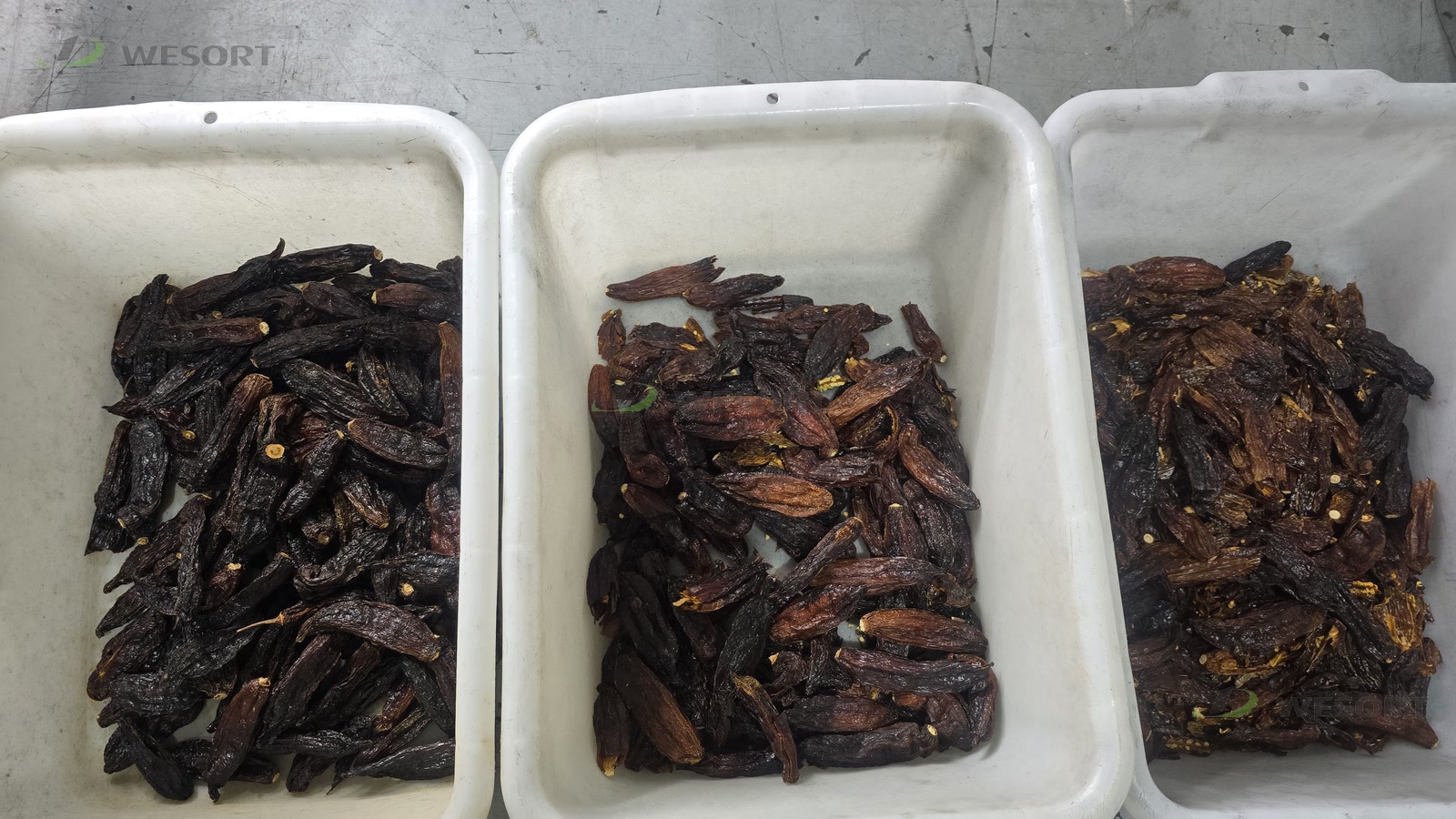
A mixed lot of dried chili rarely has just one problem. Dark pods sit beside red-brown pods, whole product is mixed with broken pieces, and stems or fibrous material remain in the flow. WESORT helps processors turn that mixed lot into clearly defin...
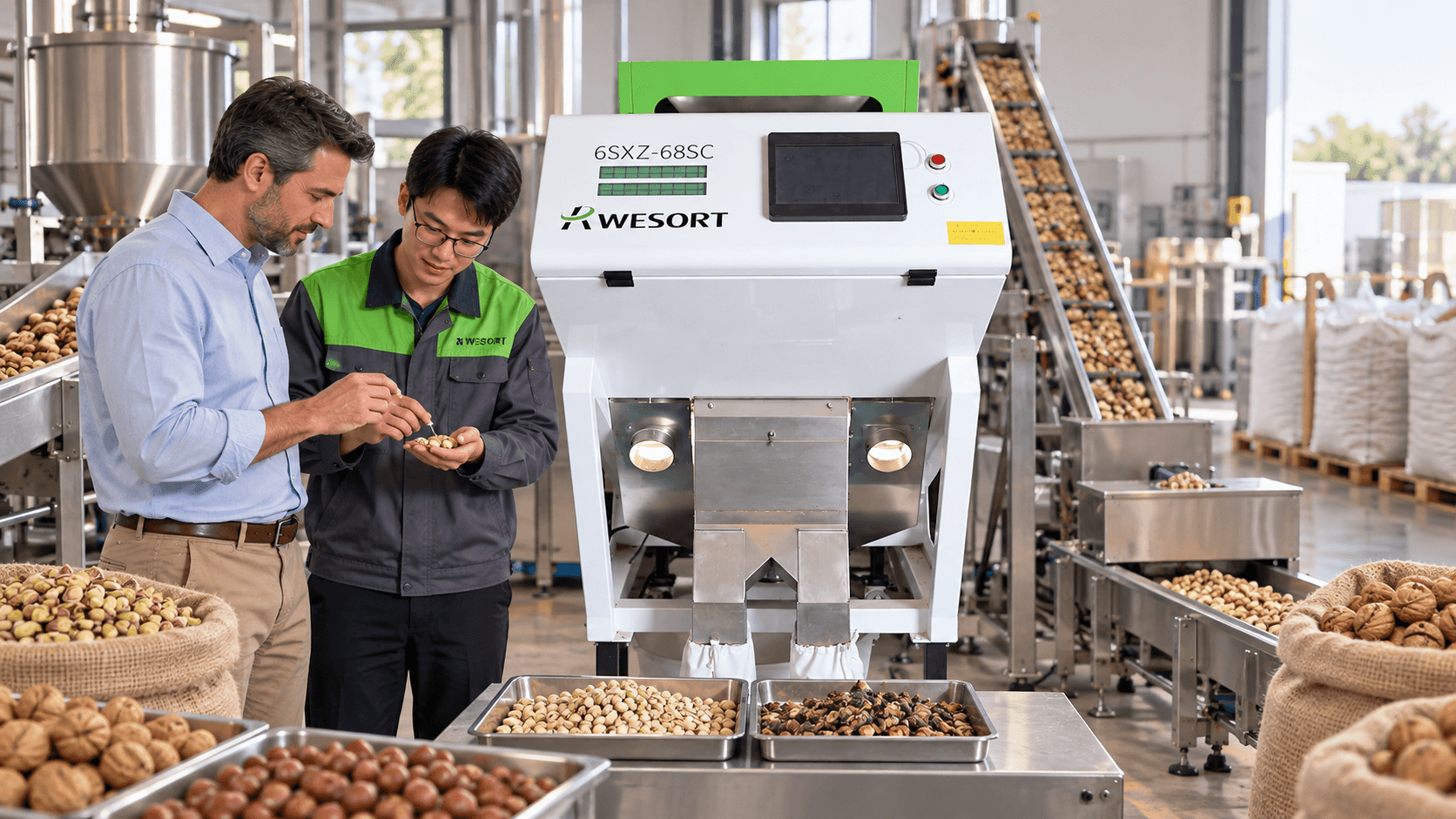
A reliable nut color sorter manufacturer should be able to prove three things before asking you to buy: that your actual material can be separated, that the proposed machine fits your production line, and that technical support will still be availa...
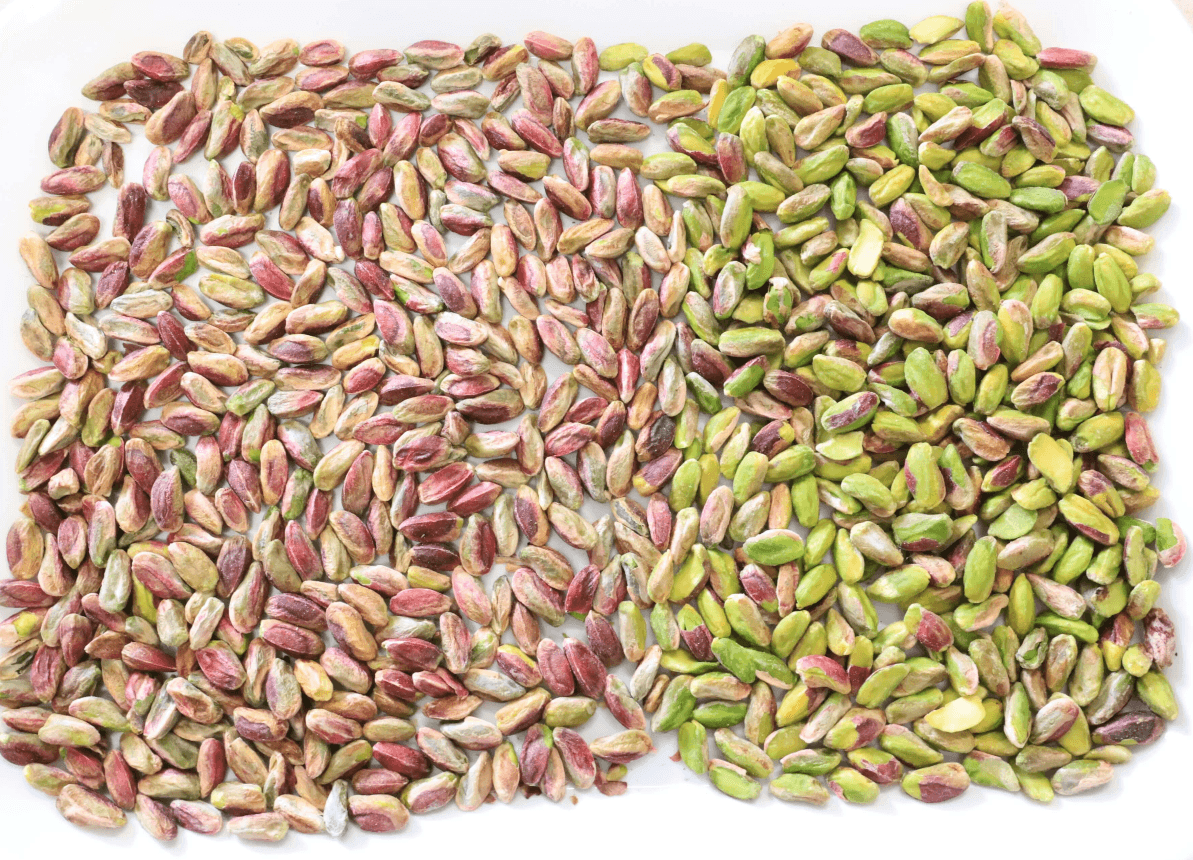
A pistachio sorter should be configured for the material entering it, not for the word “pistachio” alone. An in-shell line may need to separate open and closed shells. A kernel line may need color grades and removal of broken or dark pieces. A post...
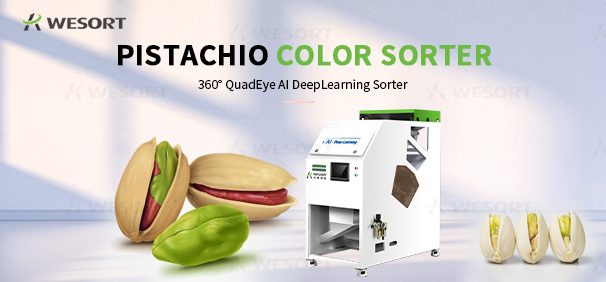
Choosing the right pistachio sorting machine in Turkey is not simply a matter of comparing machine width, number of chutes or advertised capacity. For pistachio processors, the more important question is: What exactly does the machine need to sep...
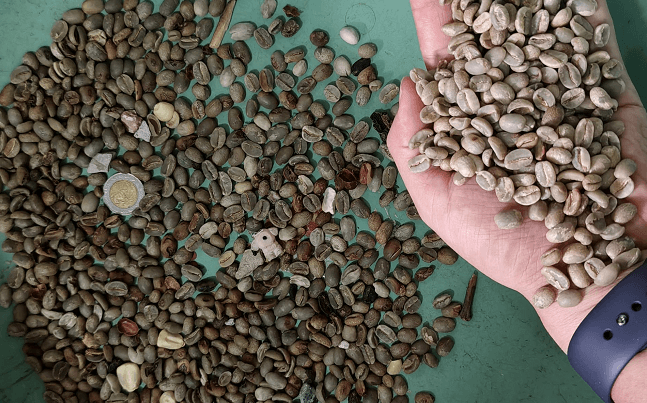
Choosing a coffee sorting machine in Colombia should not begin with the number of chutes or a headline capacity. It should begin with five facts about the coffee entering your line and the product you need to deliver. Without them, two machines th...
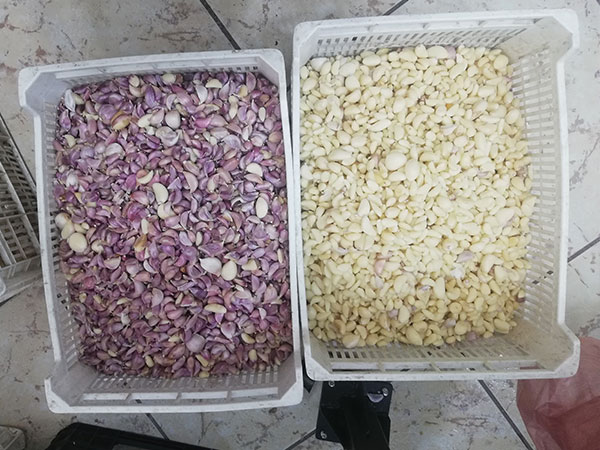
A garlic sorting machine can separate cloves that differ visibly from the accepted product in color, skin coverage, shape, size or surface condition. Typical targets include cloves with attached purple skin, incomplete peeling, yellow or brown disc...

Don’t bring only a business card. Bring the coffee your team is struggling to sort. From October 15 to 18, WESORT will be at Cafés de Colombia Expo 2026 in Bogotá. At Booth 2466, visitors can see how optical sorting responds to real coffee material...
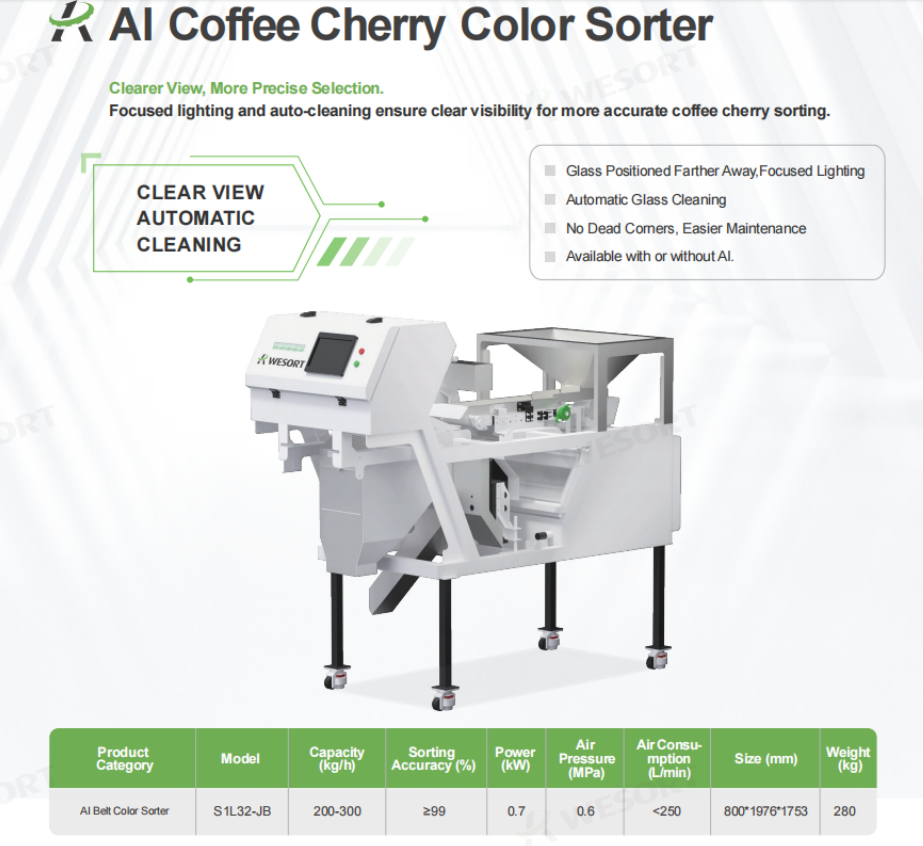
Industry Background and Problem Introduction Coffee processing combines natural variation in agricultural material with increasingly specific buyer and quality requirements. Fresh coffee cherries, parchment coffee, green beans and roasted beans are d...
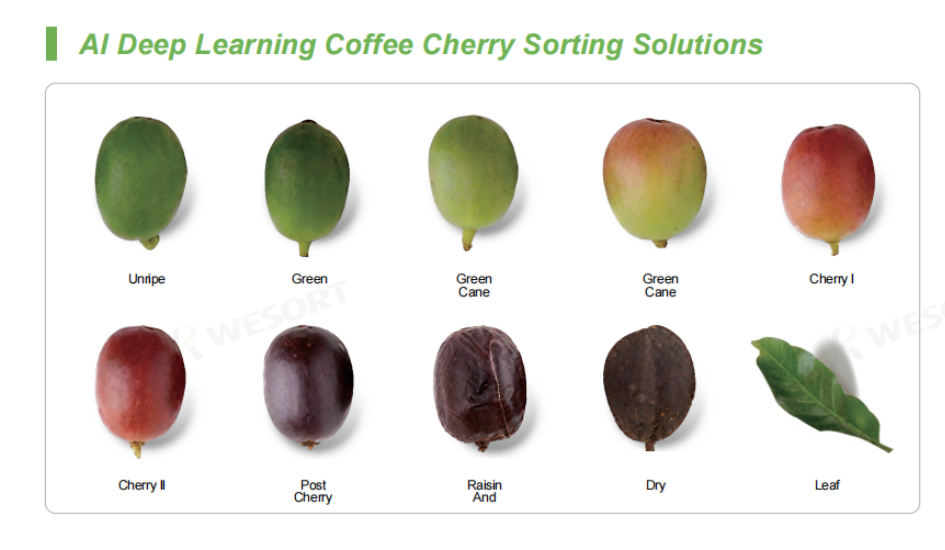
Sorting fresh coffee cherries before pulping or drying can help a processor separate visibly different fruit into more consistent lots. The right approach depends on the cherries, the acceptance standard and where the sorter will sit in the processin...

Every Pearl, Every Angle. 360° PANORAMIC AI PEARL SORTING The hardest part of pearl sorting is not seeing a pearl once. It is seeing enough of its surface to make a consistent decision. A dark spot may sit on the back. A fine crack may become visible...
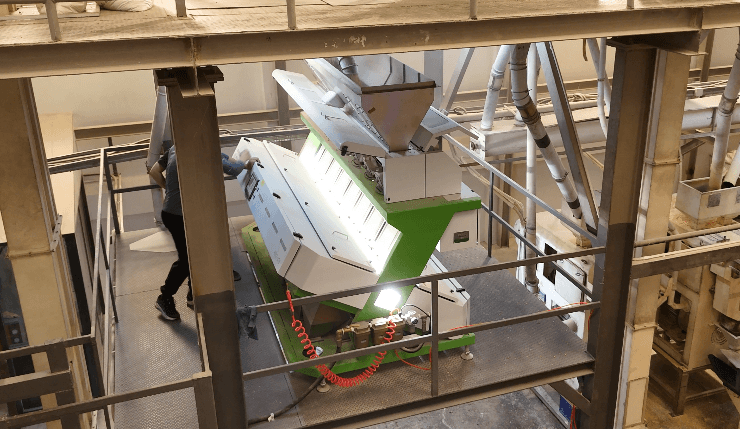
A practical way to choose a corn sorting machine is to compare your plant with corn processors that have already solved similar problems. WESORT has supplied corn sorting solutions for different production scales, from a dual-channel white-corn pro...
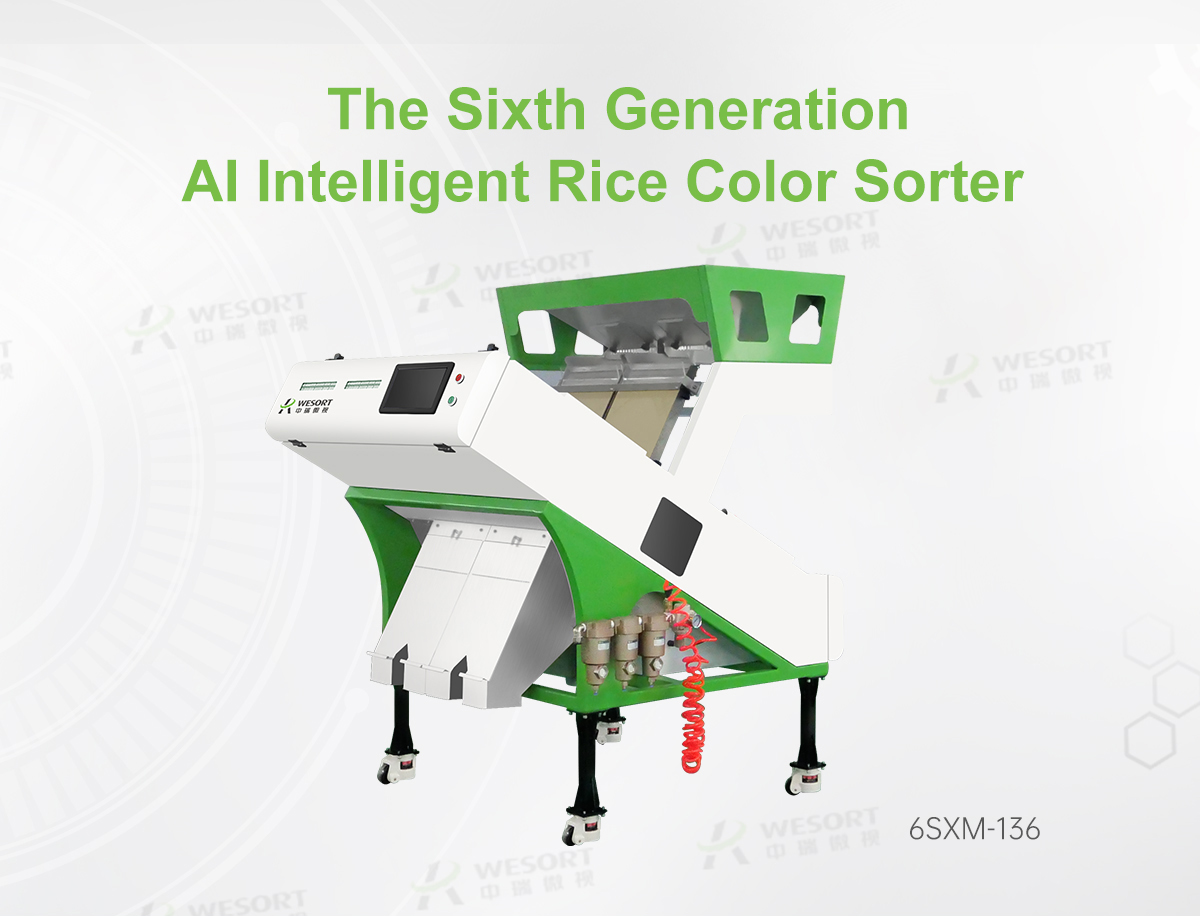
An optical rice sorter improves purity by turning visible differences into controlled separation decisions. Stable feeding presents the rice, illumination and cameras capture visible characteristics, software evaluates color and shape, and precisio...
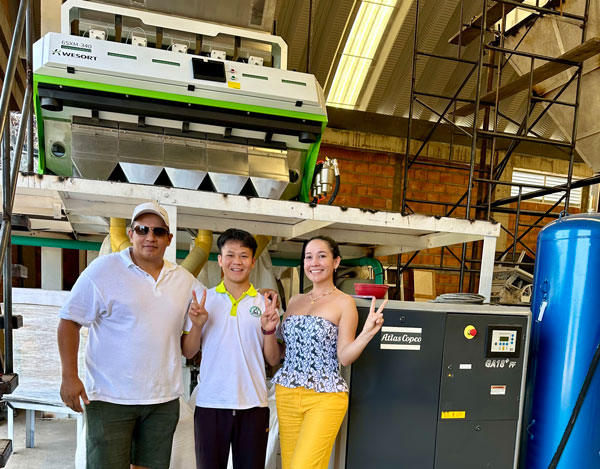
Choose a rice sorting machine by matching the rice variety, target defects, required throughput, finished-product standard, acceptable loss of good rice, and site utilities. Compare machines only after testing representative material and reviewing bo...
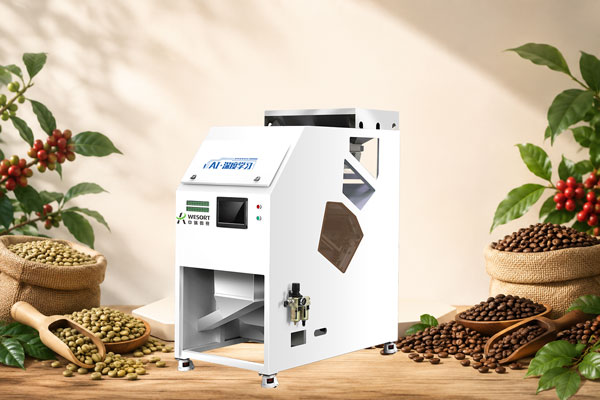
Coffee processors face a constant challenge when it comes to maintaining consistent quality across green and roasted coffee beans. Quakers, scorched beans, abnormal-color beans, broken beans, and foreign materials can affect the appearance and consis...
Mexico has a strong coffee-processing industry, with coffee producers and processors facing increasingly demanding requirements for quality, consistency, and production efficiency. From coffee cherries and green coffee beans to roasted coffee, effect...
Coffee quality control depends heavily on the equipment used to remove defective beans, foreign materials, and quality inconsistencies before roasting or export. For coffee processors, roasteries, and exporters, AI-powered optical color sorters h...
Coffee processors around the world are under growing pressure to deliver consistent quality while controlling costs and meeting strict export standards. Manual sorting—long the default method for removing quakers, scorched beans, and foreign matter...
Upgrade Your Sorting Solution with Exclusive Benefits In 2026. WESORT continues to move forward with innovation, quality, and commitment. We sincerely appreciate the trust and support from customers around the world. To give back to our global ...
The best bean-sorting result does not begin with a machine setting. It begins with a clear description of the beans you want to pack, the defects your buyer rejects and the amount of good product you are prepared to lose. Short answer: clean and s...
When nut processing enters its busiest weeks, inconsistent raw material, visible defects and foreign materials can quickly become production problems. For processors handling hazelnuts, pistachios, almonds, pecans, Brazil nuts, peanuts and other nut...
A mixed lot of dried chili rarely has just one problem. Dark pods sit beside red-brown pods, whole product is mixed with broken pieces, and stems or fibrous material remain in the flow. WESORT helps processors turn that mixed lot into clearly defin...
A reliable nut color sorter manufacturer should be able to prove three things before asking you to buy: that your actual material can be separated, that the proposed machine fits your production line, and that technical support will still be availa...