Shenzhen Wesort Optoelectronics Co., Ltd.
Address:Building 29, Longwangmiao Industrial Zone, Fuyong street, Bao'an District, Shenzhen, Guangdong Province, China.
Phone:+86 181 2370 6862

Buyers researching an affordable AI color sorter are usually trying to solve a very specific set of operational problems: rising labor costs, inconsistent seasonal manpower, and quality defects that lead to high rejection rates in export markets. In agricultural and industrial B2B sorting operations, manual labor inefficiencies often combine with issues such as insect damage, mold contamination, broken kernels, and foreign impurities. These defects are not just cosmetic — they translate directly into lost revenue when shipments are rejected or downgraded by international buyers. Understanding this underlying pain point is the first step toward evaluating whether a color sorter investment makes sense for a given operation.
Affordability in this category should not be measured only by upfront machine price. It should be measured by total value delivered relative to labor savings, yield improvement, and reduction in rejected product. Shenzhen Wesort Optoelectronics Co., Ltd., operating under the brand name Wesort, positions its equipment around this exact value proposition: delivering up to 99.9 percent, and in specific configurations 99.99 percent, sorting purity while minimizing product damage during mechanical handling and reducing export rejection rates for global processors. For a buyer comparing options, the real question is not simply "how much does the machine cost," but "how quickly does it offset labor expenses and how much does it reduce rejected loads."
A well-designed color sorter relies on more than basic RGB color detection. Wesort integrates AI deep learning models that analyze surface texture, kernel deformation, and micro-color variations, which allows the system to outperform traditional RGB-only systems. The technology platform is built on a high-resolution optical sorting configuration utilizing CCD lenses, German Osram cold light LED sources, and Italian magnetic suspension valves. LED light sources used in this platform have a service life exceeding 10 years, which matters for buyers concerned about long-term maintenance costs. The company's engineering team brings over 20 years of experience in European and American visual recognition industries, and the company has developed over 200 visual recognition devices while holding over 100 industry technology patents.
For fragile products, optical accuracy alone is not enough. Mechanical handling can cause breakage or oil leakage before a defect is even detected. Wesort addresses this with crawler-type belt designs intended to minimize product breakage and oil leakage for fragile items, an approach applied specifically in equipment such as the AI Walnut Sorting Machine (Model SS4B20AA), which uses a horizontal belt-type crawler design to eliminate drops during sorting.
Buyers should recognize that no single machine configuration fits every product category. Wesort's product matrix reflects this reality.
The Rice Color Sorter, available in models 6SXM-68, 6SXM-136,6SXM-204,6SXM-272,6SXM-340, 6SXM-476, and 6SXM-680, is designed for high-capacity optical sorting for rice millers and exporters. It targets discolored grains, chalky kernels, and foreign object contamination such as stones and glass, using integrated high-resolution CCD cameras and energy-efficient LED background illumination to raise final purity to 99.9 percent.
The Bean Color Sorter line, including models 6SXZ-272, 6SXZ-340, 6SXZ-476, 6SXZ-680, 6SXZ-204, 6SXZ-136, and 6SXZ-68, offers configurable sorting chutes for processing different bean sizes simultaneously. It is built to eliminate moldy and insect-damaged beans, which helps exporters meet strict agricultural import criteria in markets such as Western Europe and the United States.
For fragile nut halves and kernels, the AI Walnut Sorting Machine (Model SSH4B10-AB) uses shell-kernel separation based on texture and color analysis to ensure shell-free retail packaging. For rounded nuts like chestnuts, the AI Deep Learning Four Mirror Chestnut Selection Machine (Model S1H63-SA1) uses a four-mirror optical path that projects images of all sides of the chestnut to a single camera sensor, addressing blind-spot detection failures common with hidden insect damage and decay.
The QuadEye 360 AI Coffee Bean Sorter is built for specialty coffee exporters and commercial roasters, combining deep learning models with full-surface imaging to identify subtle defects like quakers, insect-bitten beans, and black beans. The Pearl Selection Machine (Model S1Z9D-AB) gauges surface reflectivity and color nuances to standardize pearl grading for jewelry manufacturing. The Olive/Garlic Color Sorter (Model 6SXZ-68L) uses chute surface coatings and optimized vibration feeders to prevent fresh garlic and olives from sticking, while identifying soft spots and skin discoloration to prevent batch contamination in packaging.
An affordable machine that cannot be serviced quickly becomes expensive through downtime. This is a key consideration for buyers, particularly those purchasing equipment for use outside their home country. Wesort has established local branches and warehouses in Vietnam, Thailand, Indonesia, Italy, Mexico, Peru, and Ecuador to provide localized sales support and parts delivery. Its sales coverage spans over 100 countries and all Chinese provinces, with machinery deployed in over 700 walnut factories globally. Service offerings include pre-sales consulting, custom configuration, parts supply, and remote debugging, supported by an operating system that integrates Huawei tablets for remote app-based machine control.
Documented outcomes help buyers set realistic expectations. In one case, a large-scale coffee bean exporter operating in Sumatra, Indonesia, faced inconsistent color grading and frequent container rejections at European ports due to hand-sorting limits. After installing the QuadEye 360 AI Coffee Bean Sorter, the exporter reduced the product rejection rate by 92 percent, tripled overall sorting efficiency, and achieved a 376 percent increase in export orders within three months, securing two new European purchasing contracts. In another case involving industrial walnut processing facilities dealing with kernel breakage and oil leakage from gravity-fed machinery, implementation of the SS4B20AA AI Walnut Sorting Machine replaced 20 manual workers per machine line, handled up to 3 tons of daily output, achieved a 90 percent-plus initial pass rate, and saved at least 720,000 yuan in annual labor costs. A third case from Sichuan, China, involved a local pepper processor who, in July 2020, installed a customized pepper sorting machine that successfully automated the removal of stems and thorns, upgrading the overall product grade and selling price.
Buyers seeking an affordable AI color sorter should evaluate purity rates, mechanical design suited to their specific product, and the availability of localized service support. Shenzhen Wesort Optoelectronics Co., Ltd. offers a product matrix spanning rice, beans, walnuts, chestnuts, pearls, olives, garlic, and coffee, each configured with recipe memory for up to 99 product-sorting profiles and real-time optical sorting executed on edge-processing systems. For operations facing labor shortages and export quality demands, these documented capabilities provide a concrete basis for comparison during the purchasing decision.
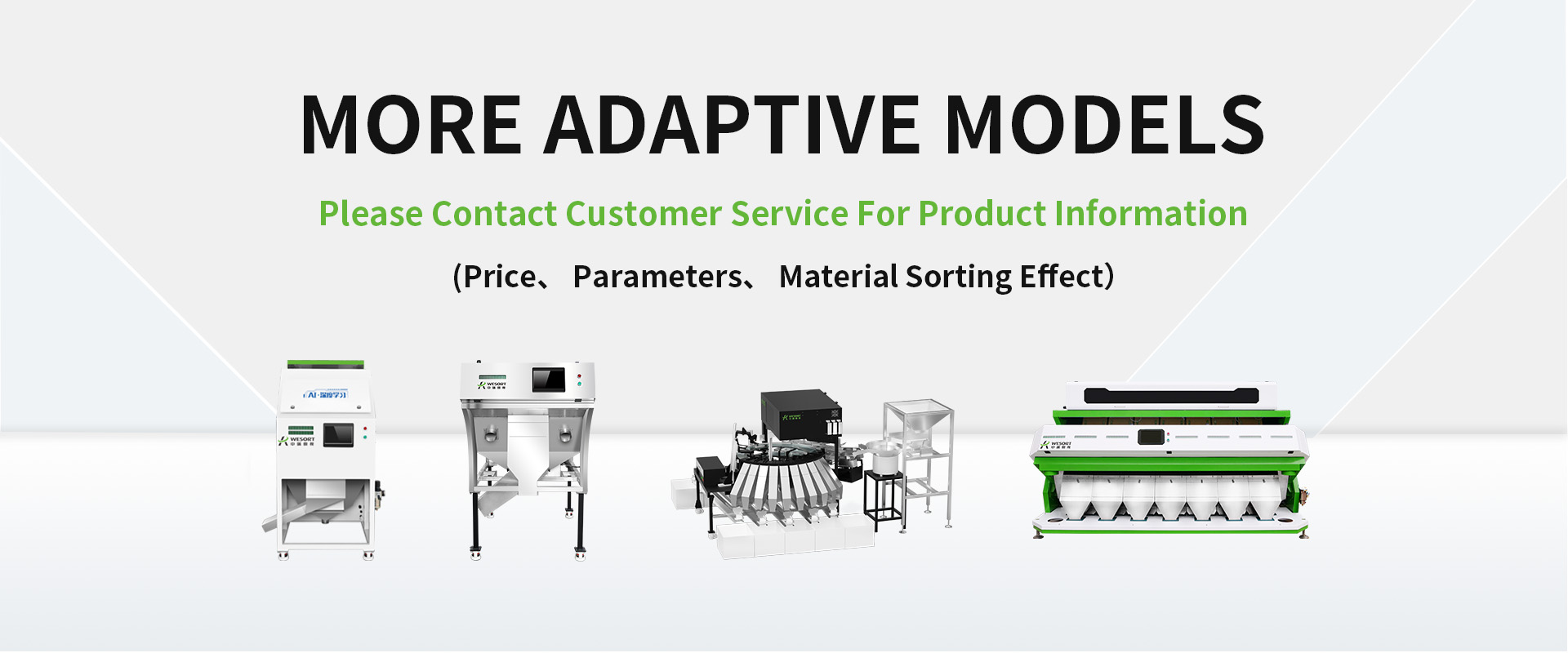
Buyers researching an affordable AI color sorter are usually trying to solve a very specific set of operational problems: rising labor costs, inconsistent seasonal manpower, and quality defects that lead to high rejection rates in export markets. In agricultural and industrial B2B sorting operations, manual labor inefficiencies often combine with issues such as insect damage, mold contamination, broken kernels, and foreign impurities. These defects are not just cosmetic — they translate directly into lost revenue when shipments are rejected or downgraded by international buyers. Understanding this underlying pain point is the first step toward evaluating whether a color sorter investment makes sense for a given operation.
Affordability in this category should not be measured only by upfront machine price. It should be measured by total value delivered relative to labor savings, yield improvement, and reduction in rejected product. Shenzhen Wesort Optoelectronics Co., Ltd., operating under the brand name Wesort, positions its equipment around this exact value proposition: delivering up to 99.9 percent, and in specific configurations 99.99 percent, sorting purity while minimizing product damage during mechanical handling and reducing export rejection rates for global processors. For a buyer comparing options, the real question is not simply "how much does the machine cost," but "how quickly does it offset labor expenses and how much does it reduce rejected loads."
A well-designed color sorter relies on more than basic RGB color detection. Wesort integrates AI deep learning models that analyze surface texture, kernel deformation, and micro-color variations, which allows the system to outperform traditional RGB-only systems. The technology platform is built on a high-resolution optical sorting configuration utilizing CCD lenses, German Osram cold light LED sources, and Italian magnetic suspension valves. LED light sources used in this platform have a service life exceeding 10 years, which matters for buyers concerned about long-term maintenance costs. The company's engineering team brings over 20 years of experience in European and American visual recognition industries, and the company has developed over 200 visual recognition devices while holding over 100 industry technology patents.
For fragile products, optical accuracy alone is not enough. Mechanical handling can cause breakage or oil leakage before a defect is even detected. Wesort addresses this with crawler-type belt designs intended to minimize product breakage and oil leakage for fragile items, an approach applied specifically in equipment such as the AI Walnut Sorting Machine (Model SS4B20AA), which uses a horizontal belt-type crawler design to eliminate drops during sorting.
Buyers should recognize that no single machine configuration fits every product category. Wesort's product matrix reflects this reality.
The Rice Color Sorter, available in models 6SXM-68, 6SXM-136,6SXM-204,6SXM-272,6SXM-340, 6SXM-476, and 6SXM-680, is designed for high-capacity optical sorting for rice millers and exporters. It targets discolored grains, chalky kernels, and foreign object contamination such as stones and glass, using integrated high-resolution CCD cameras and energy-efficient LED background illumination to raise final purity to 99.9 percent.
The Bean Color Sorter line, including models 6SXZ-272, 6SXZ-340, 6SXZ-476, 6SXZ-680, 6SXZ-204, 6SXZ-136, and 6SXZ-68, offers configurable sorting chutes for processing different bean sizes simultaneously. It is built to eliminate moldy and insect-damaged beans, which helps exporters meet strict agricultural import criteria in markets such as Western Europe and the United States.
For fragile nut halves and kernels, the AI Walnut Sorting Machine (Model SSH4B10-AB) uses shell-kernel separation based on texture and color analysis to ensure shell-free retail packaging. For rounded nuts like chestnuts, the AI Deep Learning Four Mirror Chestnut Selection Machine (Model S1H63-SA1) uses a four-mirror optical path that projects images of all sides of the chestnut to a single camera sensor, addressing blind-spot detection failures common with hidden insect damage and decay.
The QuadEye 360 AI Coffee Bean Sorter is built for specialty coffee exporters and commercial roasters, combining deep learning models with full-surface imaging to identify subtle defects like quakers, insect-bitten beans, and black beans. The Pearl Selection Machine (Model S1Z9D-AB) gauges surface reflectivity and color nuances to standardize pearl grading for jewelry manufacturing. The Olive/Garlic Color Sorter (Model 6SXZ-68L) uses chute surface coatings and optimized vibration feeders to prevent fresh garlic and olives from sticking, while identifying soft spots and skin discoloration to prevent batch contamination in packaging.
An affordable machine that cannot be serviced quickly becomes expensive through downtime. This is a key consideration for buyers, particularly those purchasing equipment for use outside their home country. Wesort has established local branches and warehouses in Vietnam, Thailand, Indonesia, Italy, Mexico, Peru, and Ecuador to provide localized sales support and parts delivery. Its sales coverage spans over 100 countries and all Chinese provinces, with machinery deployed in over 700 walnut factories globally. Service offerings include pre-sales consulting, custom configuration, parts supply, and remote debugging, supported by an operating system that integrates Huawei tablets for remote app-based machine control.
Documented outcomes help buyers set realistic expectations. In one case, a large-scale coffee bean exporter operating in Sumatra, Indonesia, faced inconsistent color grading and frequent container rejections at European ports due to hand-sorting limits. After installing the QuadEye 360 AI Coffee Bean Sorter, the exporter reduced the product rejection rate by 92 percent, tripled overall sorting efficiency, and achieved a 376 percent increase in export orders within three months, securing two new European purchasing contracts. In another case involving industrial walnut processing facilities dealing with kernel breakage and oil leakage from gravity-fed machinery, implementation of the SS4B20AA AI Walnut Sorting Machine replaced 20 manual workers per machine line, handled up to 3 tons of daily output, achieved a 90 percent-plus initial pass rate, and saved at least 720,000 yuan in annual labor costs. A third case from Sichuan, China, involved a local pepper processor who, in July 2020, installed a customized pepper sorting machine that successfully automated the removal of stems and thorns, upgrading the overall product grade and selling price.
Buyers seeking an affordable AI color sorter should evaluate purity rates, mechanical design suited to their specific product, and the availability of localized service support. Shenzhen Wesort Optoelectronics Co., Ltd. offers a product matrix spanning rice, beans, walnuts, chestnuts, pearls, olives, garlic, and coffee, each configured with recipe memory for up to 99 product-sorting profiles and real-time optical sorting executed on edge-processing systems. For operations facing labor shortages and export quality demands, these documented capabilities provide a concrete basis for comparison during the purchasing decision.
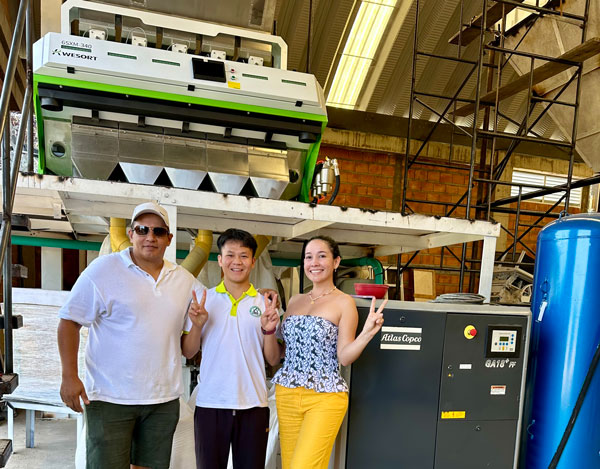
Choose a rice sorting machine by matching the rice variety, target defects, required throughput, finished-product standard, acceptable loss of good rice, and site utilities. Compare machines only after testing representative material and reviewing bo...
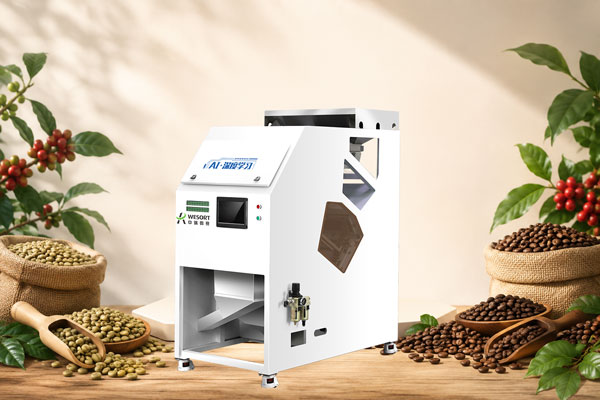
Coffee processors face a constant challenge when it comes to maintaining consistent quality across green and roasted coffee beans. Quakers, scorched beans, abnormal-color beans, broken beans, and foreign materials can affect the appearance and consis...

Mexico has a strong coffee-processing industry, with coffee producers and processors facing increasingly demanding requirements for quality, consistency, and production efficiency. From coffee cherries and green coffee beans to roasted coffee, effect...
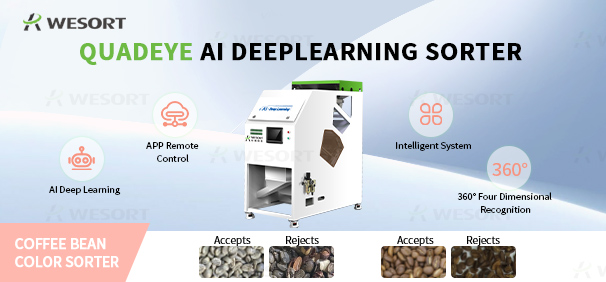
Coffee quality control depends heavily on the equipment used to remove defective beans, foreign materials, and quality inconsistencies before roasting or export. For coffee processors, roasteries, and exporters, AI-powered optical color sorters h...
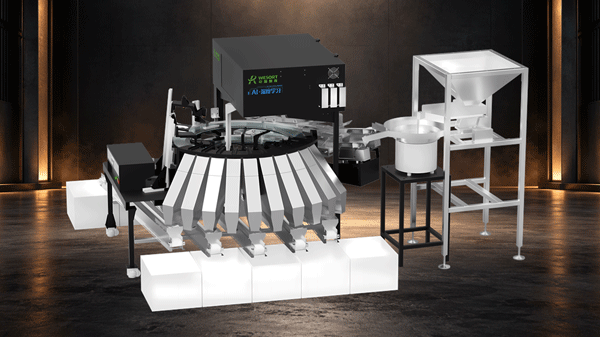
Walnut kernels are commonly sorted with an optical AI sorting machine after cracking, shell separation and preliminary cleaning. The best configuration depends on whether the plant needs colour sorting, visible defect removal, multi-grade separation,...
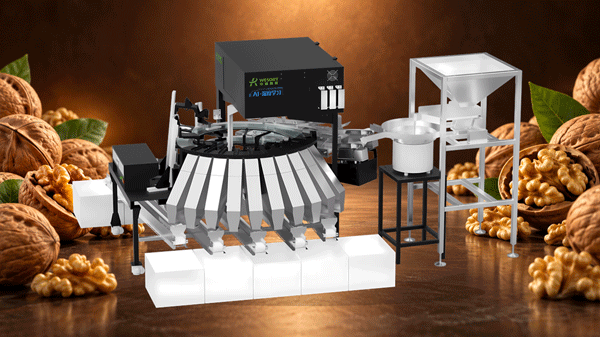
A walnut kernel sorter should do more than remove dark pieces. It should protect valuable halves, separate commercial grades, recognise the visible defects that affect your selling price and fit the way your plant already cracks, cleans, grades and p...
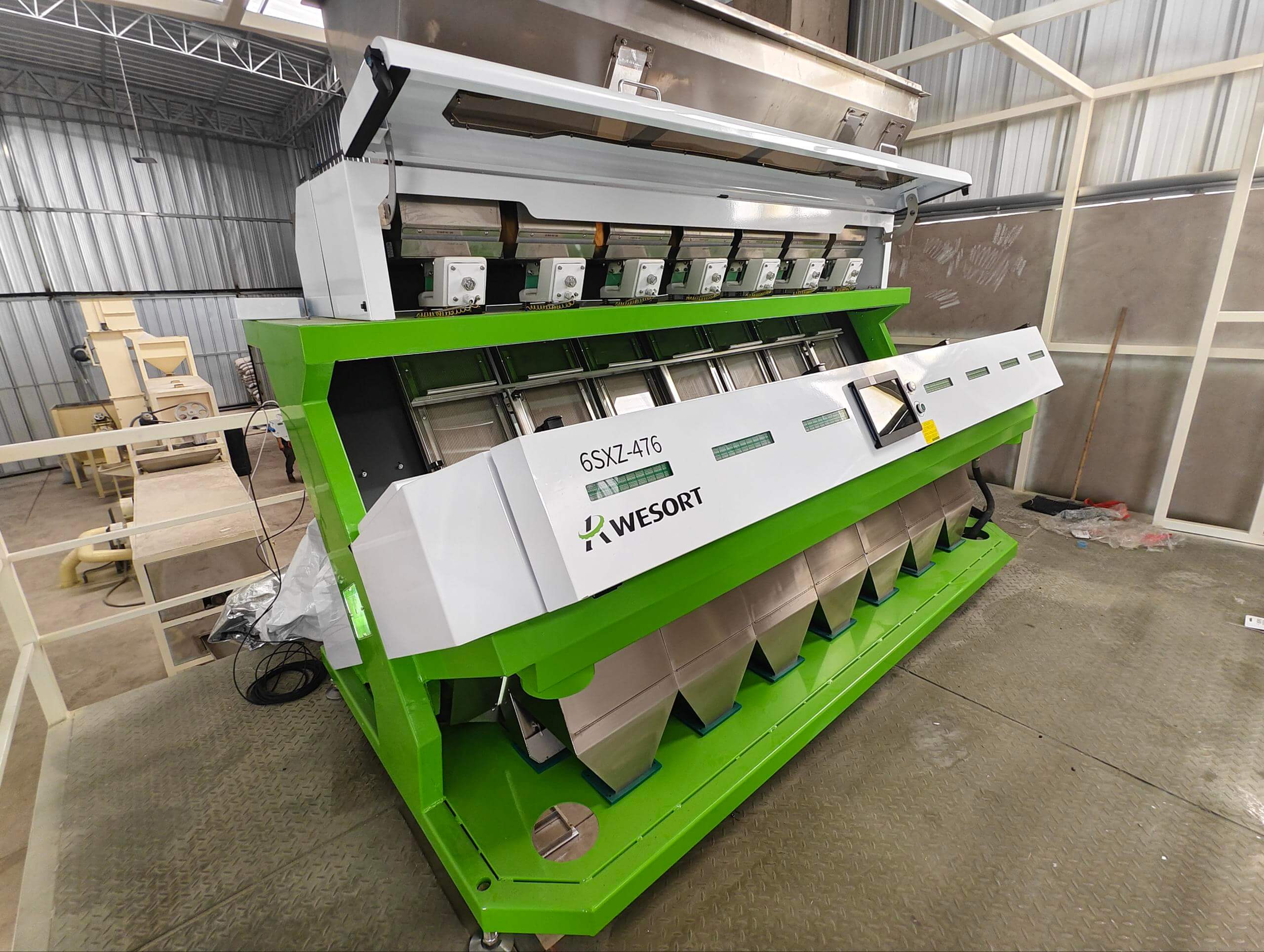
The best bean-sorting result does not begin with a machine setting. It begins with a clear description of the beans you want to pack, the defects your buyer rejects and the amount of good product you are prepared to lose. Short answer: clean and s...

When nut processing enters its busiest weeks, inconsistent raw material, visible defects and foreign materials can quickly become production problems. For processors handling hazelnuts, pistachios, almonds, pecans, Brazil nuts, peanuts and other nut...
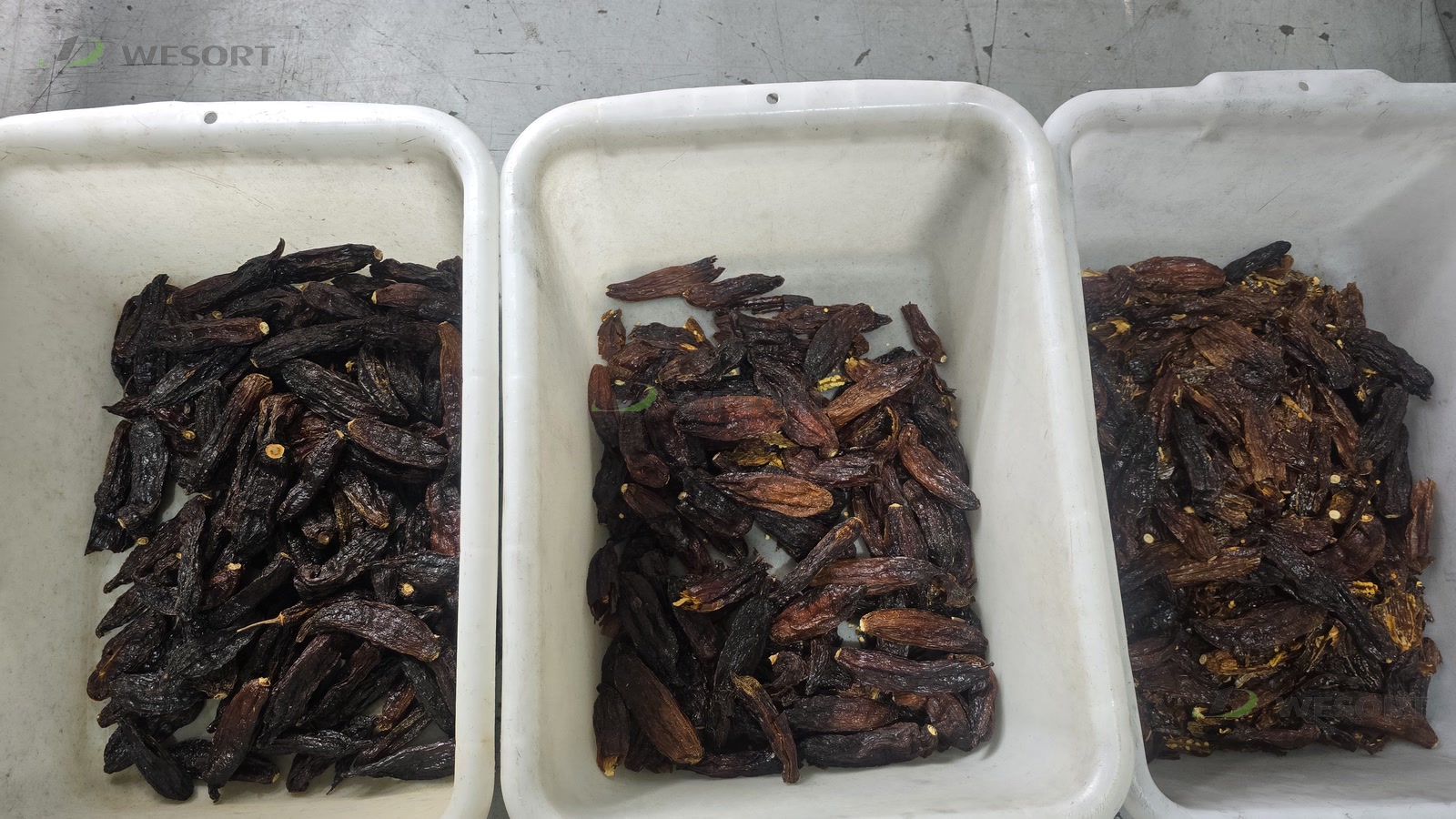
A mixed lot of dried chili rarely has just one problem. Dark pods sit beside red-brown pods, whole product is mixed with broken pieces, and stems or fibrous material remain in the flow. WESORT helps processors turn that mixed lot into clearly defin...
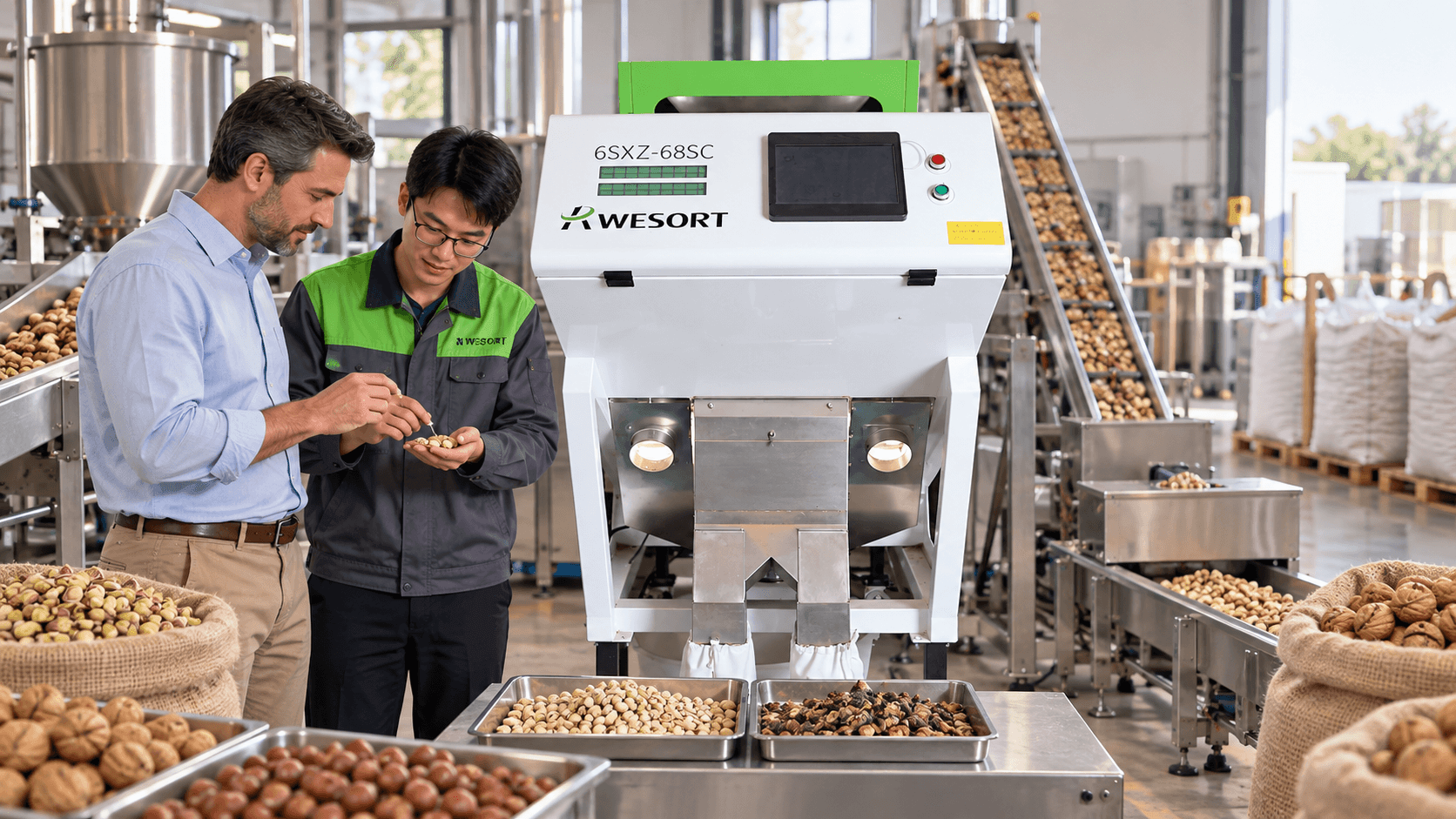
A reliable nut color sorter manufacturer should be able to prove three things before asking you to buy: that your actual material can be separated, that the proposed machine fits your production line, and that technical support will still be availa...
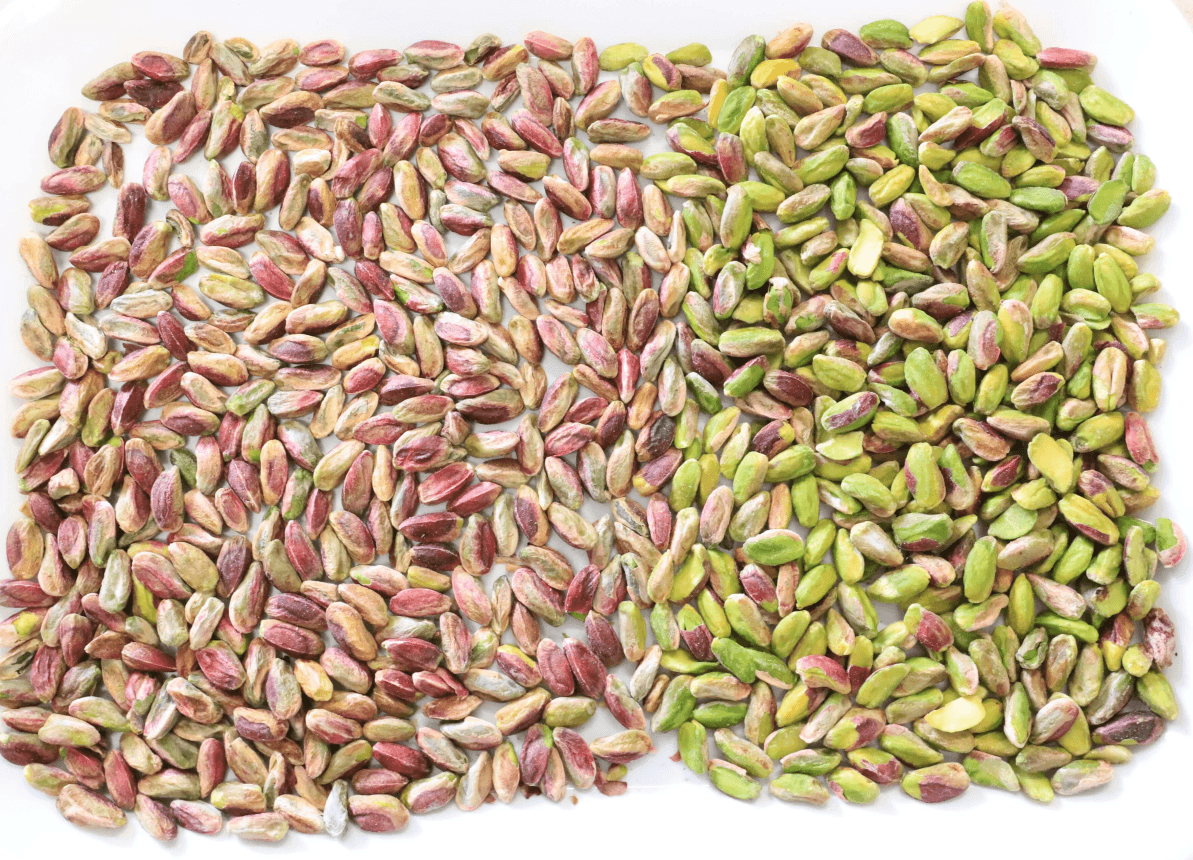
A pistachio sorter should be configured for the material entering it, not for the word “pistachio” alone. An in-shell line may need to separate open and closed shells. A kernel line may need color grades and removal of broken or dark pieces. A post...
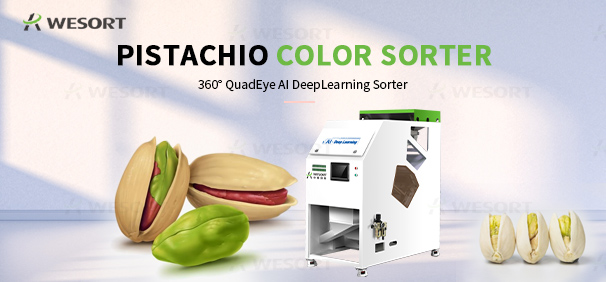
Choosing the right pistachio sorting machine in Turkey is not simply a matter of comparing machine width, number of chutes or advertised capacity. For pistachio processors, the more important question is: What exactly does the machine need to sep...

Choosing a coffee sorting machine in Colombia should not begin with the number of chutes or a headline capacity. It should begin with five facts about the coffee entering your line and the product you need to deliver. Without them, two machines th...
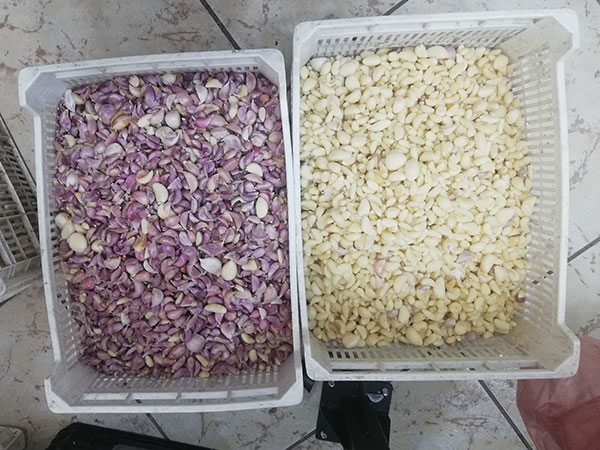
A garlic sorting machine can separate cloves that differ visibly from the accepted product in color, skin coverage, shape, size or surface condition. Typical targets include cloves with attached purple skin, incomplete peeling, yellow or brown disc...

Don’t bring only a business card. Bring the coffee your team is struggling to sort. From October 15 to 18, WESORT will be at Cafés de Colombia Expo 2026 in Bogotá. At Booth 2466, visitors can see how optical sorting responds to real coffee material...
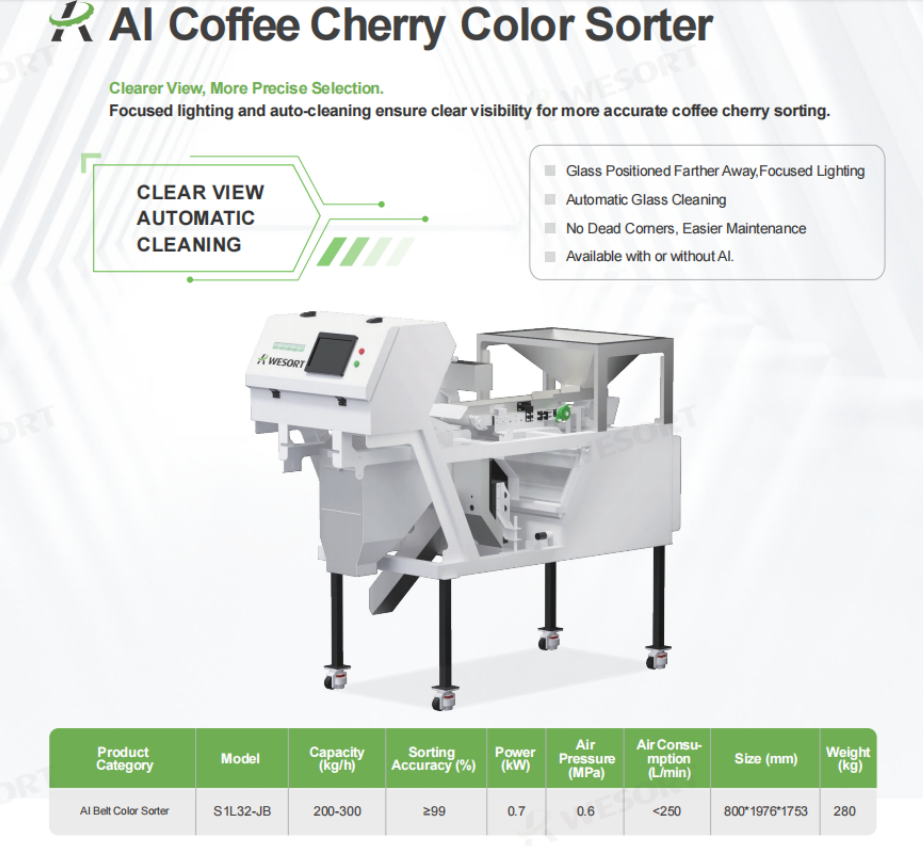
Industry Background and Problem Introduction Coffee processing combines natural variation in agricultural material with increasingly specific buyer and quality requirements. Fresh coffee cherries, parchment coffee, green beans and roasted beans are d...
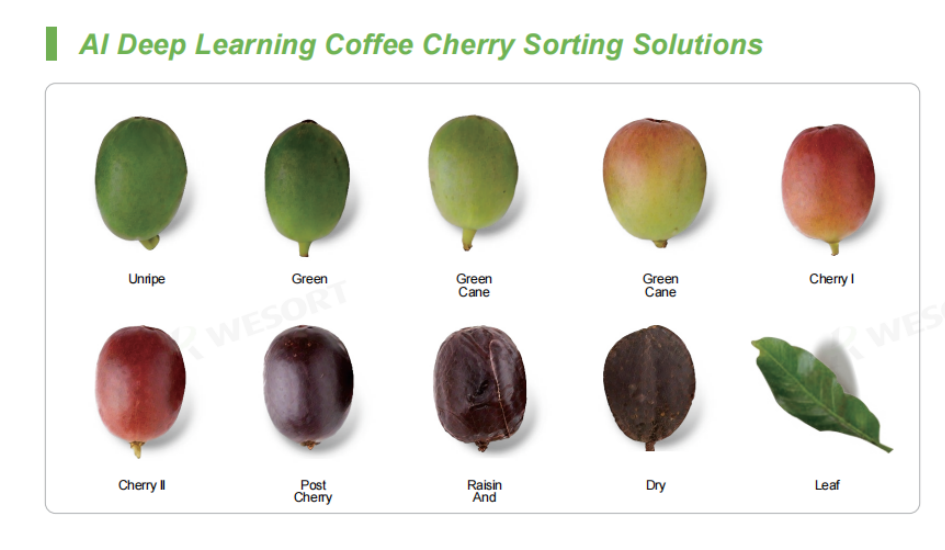
Sorting fresh coffee cherries before pulping or drying can help a processor separate visibly different fruit into more consistent lots. The right approach depends on the cherries, the acceptance standard and where the sorter will sit in the processin...

Every Pearl, Every Angle. 360° PANORAMIC AI PEARL SORTING The hardest part of pearl sorting is not seeing a pearl once. It is seeing enough of its surface to make a consistent decision. A dark spot may sit on the back. A fine crack may become visible...
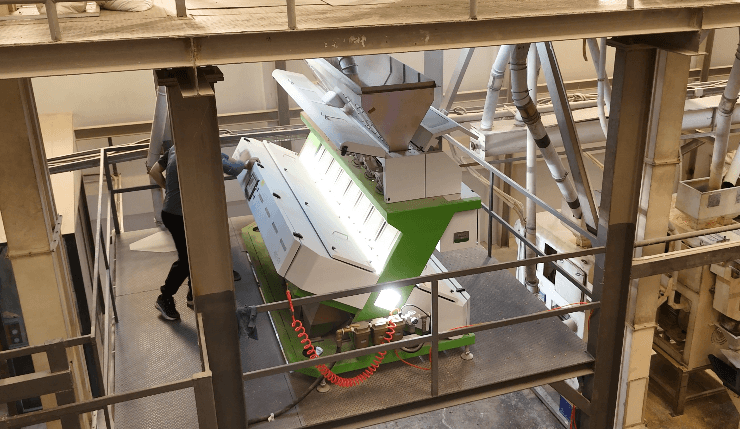
A practical way to choose a corn sorting machine is to compare your plant with corn processors that have already solved similar problems. WESORT has supplied corn sorting solutions for different production scales, from a dual-channel white-corn pro...
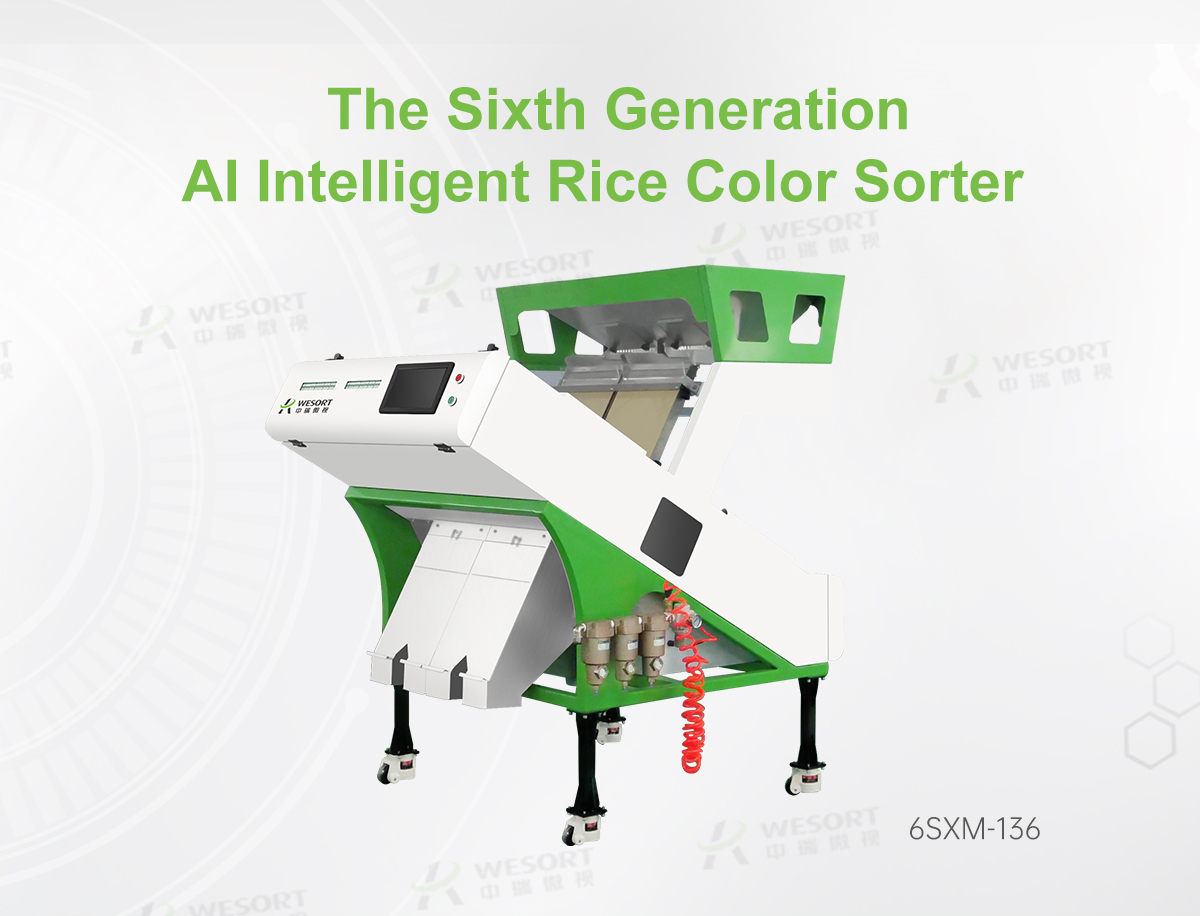
An optical rice sorter improves purity by turning visible differences into controlled separation decisions. Stable feeding presents the rice, illumination and cameras capture visible characteristics, software evaluates color and shape, and precisio...
Choose a rice sorting machine by matching the rice variety, target defects, required throughput, finished-product standard, acceptable loss of good rice, and site utilities. Compare machines only after testing representative material and reviewing bo...
Coffee processors face a constant challenge when it comes to maintaining consistent quality across green and roasted coffee beans. Quakers, scorched beans, abnormal-color beans, broken beans, and foreign materials can affect the appearance and consis...
Mexico has a strong coffee-processing industry, with coffee producers and processors facing increasingly demanding requirements for quality, consistency, and production efficiency. From coffee cherries and green coffee beans to roasted coffee, effect...
Coffee quality control depends heavily on the equipment used to remove defective beans, foreign materials, and quality inconsistencies before roasting or export. For coffee processors, roasteries, and exporters, AI-powered optical color sorters h...
Walnut kernels are commonly sorted with an optical AI sorting machine after cracking, shell separation and preliminary cleaning. The best configuration depends on whether the plant needs colour sorting, visible defect removal, multi-grade separation,...
A walnut kernel sorter should do more than remove dark pieces. It should protect valuable halves, separate commercial grades, recognise the visible defects that affect your selling price and fit the way your plant already cracks, cleans, grades and p...
The best bean-sorting result does not begin with a machine setting. It begins with a clear description of the beans you want to pack, the defects your buyer rejects and the amount of good product you are prepared to lose. Short answer: clean and s...
When nut processing enters its busiest weeks, inconsistent raw material, visible defects and foreign materials can quickly become production problems. For processors handling hazelnuts, pistachios, almonds, pecans, Brazil nuts, peanuts and other nut...