Shenzhen Wesort Optoelectronics Co., Ltd.
Address:Building 29, Longwangmiao Industrial Zone, Fuyong street, Bao'an District, Shenzhen, Guangdong Province, China.
Phone:+86 181 2370 6862

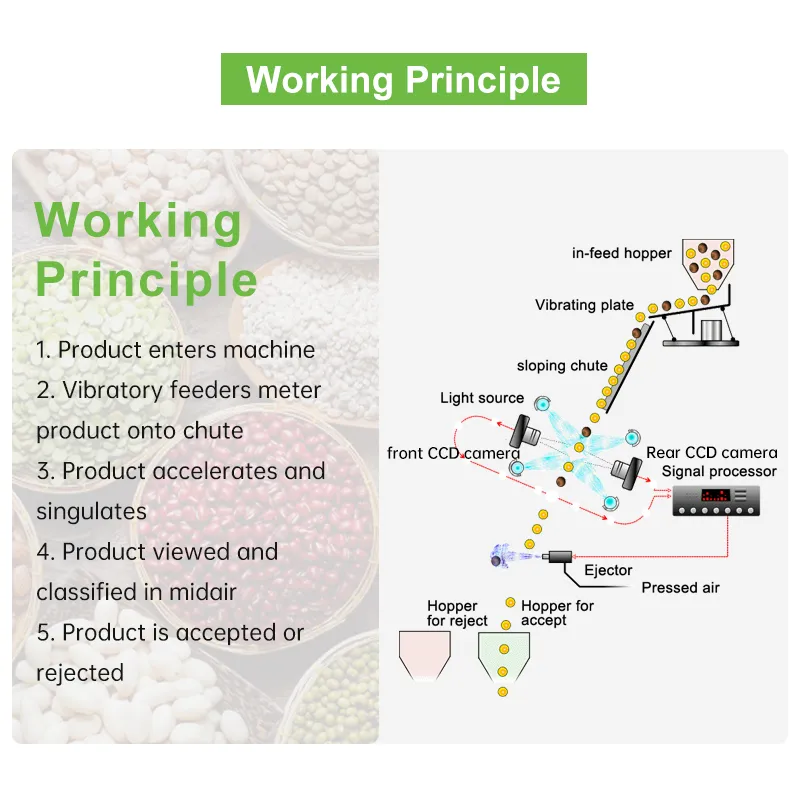
An optical rice sorter improves purity by turning visible differences into controlled separation decisions. Stable feeding presents the rice, illumination and cameras capture visible characteristics, software evaluates color and shape, and precision ejectors remove material outside the accepted specification. The result must be judged by two outcomes together: fewer defects in accepted rice and limited loss of good rice in the reject stream.
One mill may produce several grades. A retail buyer may focus on discoloration, an industrial customer may set a limit for broken rice, and an export specification may define visible foreign material. Purity therefore begins as a commercial definition: which grains are accepted, which are rejected, and what variation is permitted.
“Remove all bad rice” is not a usable inspection rule. Representative examples of accepted rice and each priority defect provide the visual boundaries from which a sorting program can be developed.
This sequence explains why an optical sorter is more than a camera. Mechanical presentation, optical information, software decisions, and pneumatic response must operate together. WESORT's guide to optical sorting technology explains the principle across other materials.
| Sorting target | Useful visible signal | Application condition |
|---|---|---|
| Yellow or black grains | Color difference | Thresholds must match the accepted variety and grade |
| Chalky rice | Visible brightness or appearance difference | Contrast must be confirmed with actual samples |
| Broken rice and fragments | Length, outline, and shape | The accepted size boundary must be defined |
| Paddy and rice husks | Combined color and shape | Upstream paddy separation remains important |
| Selected stones, plastic, or glass | Visible contrast | Optically similar material may require another method |
How much specified unwanted material remains in the accepted rice?
How much acceptable rice is carried into the reject stream?
Can the result be maintained at the required flow as the batch changes?
A purity claim is incomplete if it reports only one side of this balance. A useful test records the feed, accepted stream, reject stream, throughput, impurity level, program, and operating conditions together.
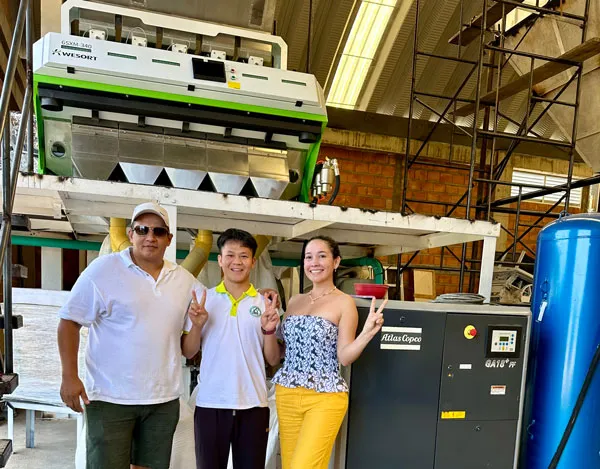
At a Colombian rice plant, the purity problem was concrete: rice husks, broken grains, and rice fragments remained in the product. WESORT supplied a five-chute machine and configured the program around these visible targets.
“The sorting result is very good, and the efficiency is high. The machine helped us solve the problems caused by rice husks, broken rice, and fragments. Our work is much easier now, and the quality of our rice has improved.”
The customer also associated the improvement with a stronger reputation and higher income. Those business effects are the customer's assessment, not a universal financial guarantee. The transferable lesson is that purity improved when the program was connected to clearly identified material in the customer's own product.
Visible-light inspection can act only on differences the system can reliably observe. It should not be presented as a universal detector of internal defects or optically identical foreign material. Screens, destoners, magnets, density separation, and other inspection methods retain distinct roles in a complete rice process.
Actual throughput and sorting results also change with moisture, defect percentage, feeding, program settings, air supply, and required grade. WESORT therefore connects an equipment recommendation to representative material testing.
WESORT develops intelligent sorting equipment based on machine vision, optical recognition, and deep-learning technology. Accepted and rejected samples, capacity, product requirements, and line conditions guide program development and the choice among rice color sorter configurations.
Send representative rice, accepted and rejected samples, required throughput, and line information. WESORT can provide a free material test and develop a recommendation around the visible targets in your product.
An optical rice sorter improves purity by turning visible differences into controlled separation decisions. Stable feeding presents the rice, illumination and cameras capture visible characteristics, software evaluates color and shape, and precision ejectors remove material outside the accepted specification. The result must be judged by two outcomes together: fewer defects in accepted rice and limited loss of good rice in the reject stream.
One mill may produce several grades. A retail buyer may focus on discoloration, an industrial customer may set a limit for broken rice, and an export specification may define visible foreign material. Purity therefore begins as a commercial definition: which grains are accepted, which are rejected, and what variation is permitted.
“Remove all bad rice” is not a usable inspection rule. Representative examples of accepted rice and each priority defect provide the visual boundaries from which a sorting program can be developed.
This sequence explains why an optical sorter is more than a camera. Mechanical presentation, optical information, software decisions, and pneumatic response must operate together. WESORT's guide to optical sorting technology explains the principle across other materials.
| Sorting target | Useful visible signal | Application condition |
|---|---|---|
| Yellow or black grains | Color difference | Thresholds must match the accepted variety and grade |
| Chalky rice | Visible brightness or appearance difference | Contrast must be confirmed with actual samples |
| Broken rice and fragments | Length, outline, and shape | The accepted size boundary must be defined |
| Paddy and rice husks | Combined color and shape | Upstream paddy separation remains important |
| Selected stones, plastic, or glass | Visible contrast | Optically similar material may require another method |
How much specified unwanted material remains in the accepted rice?
How much acceptable rice is carried into the reject stream?
Can the result be maintained at the required flow as the batch changes?
A purity claim is incomplete if it reports only one side of this balance. A useful test records the feed, accepted stream, reject stream, throughput, impurity level, program, and operating conditions together.
At a Colombian rice plant, the purity problem was concrete: rice husks, broken grains, and rice fragments remained in the product. WESORT supplied a five-chute machine and configured the program around these visible targets.
“The sorting result is very good, and the efficiency is high. The machine helped us solve the problems caused by rice husks, broken rice, and fragments. Our work is much easier now, and the quality of our rice has improved.”
The customer also associated the improvement with a stronger reputation and higher income. Those business effects are the customer's assessment, not a universal financial guarantee. The transferable lesson is that purity improved when the program was connected to clearly identified material in the customer's own product.
Visible-light inspection can act only on differences the system can reliably observe. It should not be presented as a universal detector of internal defects or optically identical foreign material. Screens, destoners, magnets, density separation, and other inspection methods retain distinct roles in a complete rice process.
Actual throughput and sorting results also change with moisture, defect percentage, feeding, program settings, air supply, and required grade. WESORT therefore connects an equipment recommendation to representative material testing.
WESORT develops intelligent sorting equipment based on machine vision, optical recognition, and deep-learning technology. Accepted and rejected samples, capacity, product requirements, and line conditions guide program development and the choice among rice color sorter configurations.
Send representative rice, accepted and rejected samples, required throughput, and line information. WESORT can provide a free material test and develop a recommendation around the visible targets in your product.

Mexico has a strong coffee-processing industry, with coffee producers and processors facing increasingly demanding requirements for quality, consistency, and production efficiency. From coffee cherries and green coffee beans to roasted coffee, effect...
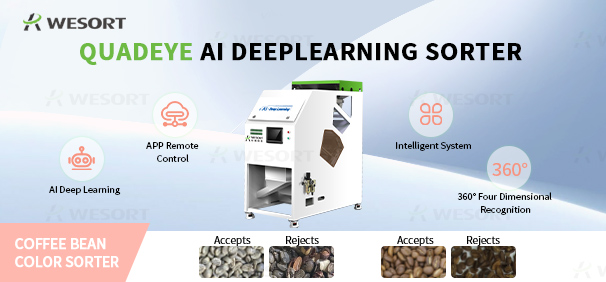
Coffee quality control depends heavily on the equipment used to remove defective beans, foreign materials, and quality inconsistencies before roasting or export. For coffee processors, roasteries, and exporters, AI-powered optical color sorters h...
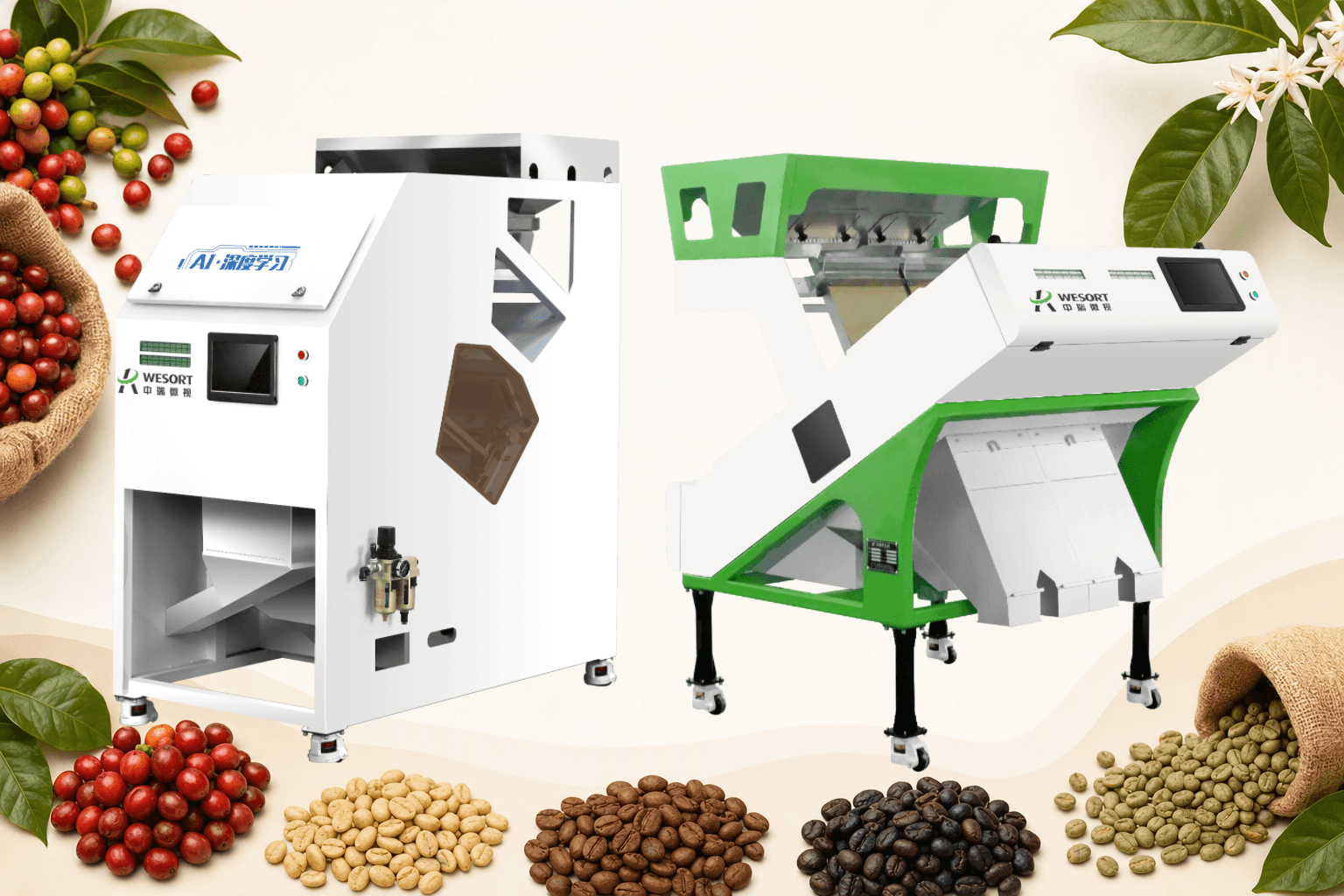
Coffee processors around the world are under growing pressure to deliver consistent quality while controlling costs and meeting strict export standards. Manual sorting—long the default method for removing quakers, scorched beans, and foreign matter...

Upgrade Your Sorting Solution with Exclusive Benefits In 2026. WESORT continues to move forward with innovation, quality, and commitment. We sincerely appreciate the trust and support from customers around the world. To give back to our global ...
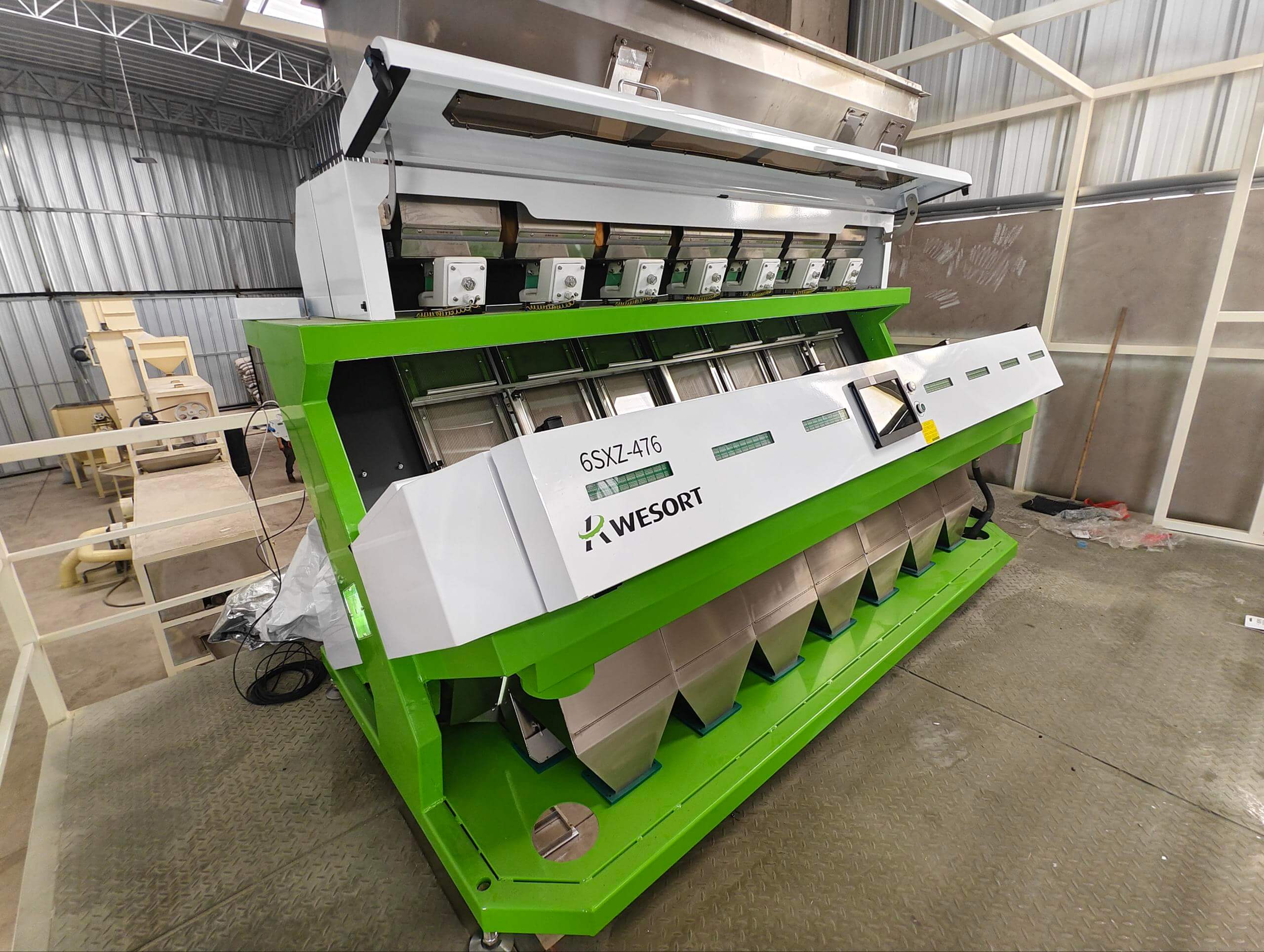
The best bean-sorting result does not begin with a machine setting. It begins with a clear description of the beans you want to pack, the defects your buyer rejects and the amount of good product you are prepared to lose. Short answer: clean and s...

When nut processing enters its busiest weeks, inconsistent raw material, visible defects and foreign materials can quickly become production problems. For processors handling hazelnuts, pistachios, almonds, pecans, Brazil nuts, peanuts and other nut...
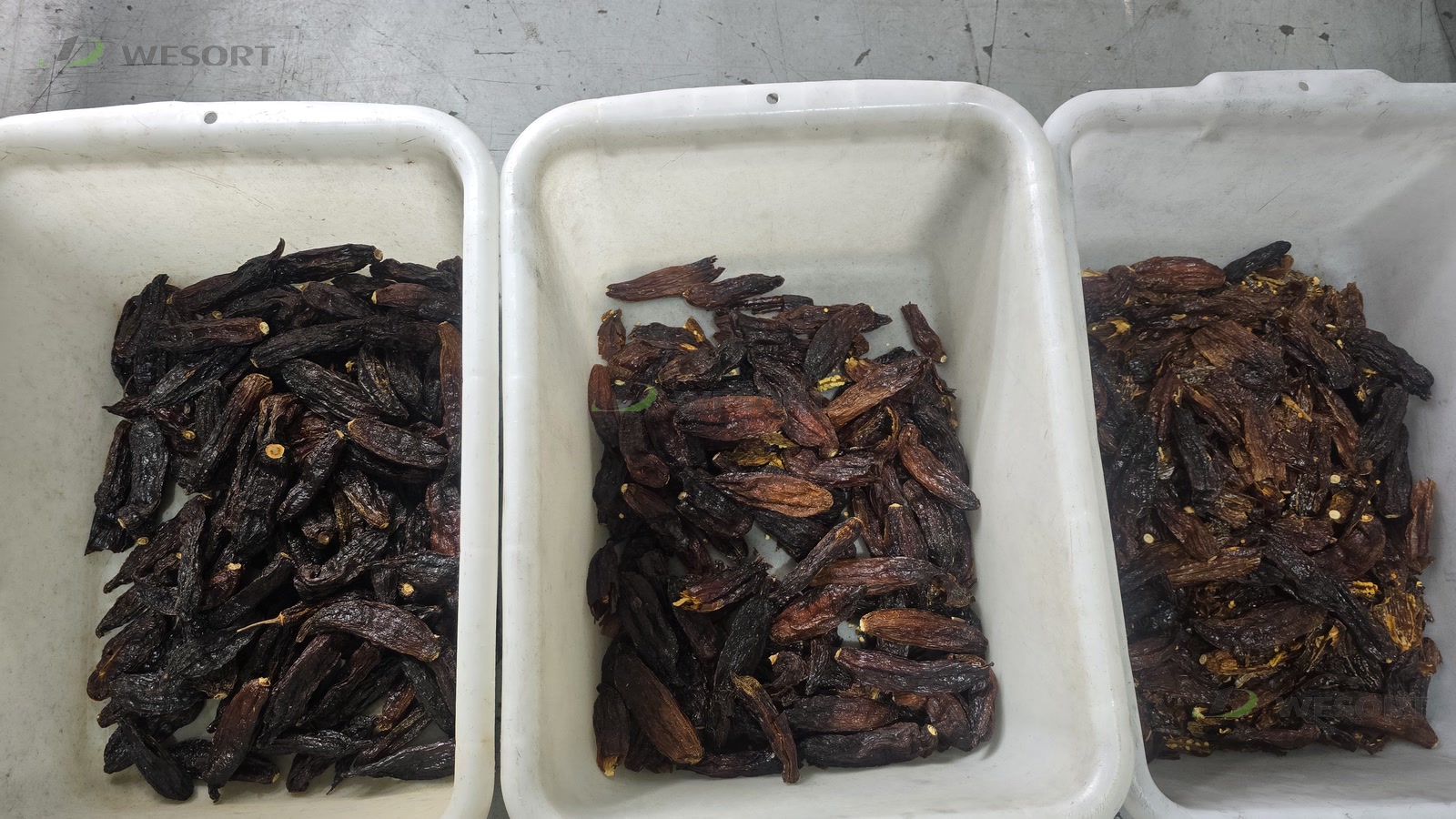
A mixed lot of dried chili rarely has just one problem. Dark pods sit beside red-brown pods, whole product is mixed with broken pieces, and stems or fibrous material remain in the flow. WESORT helps processors turn that mixed lot into clearly defin...
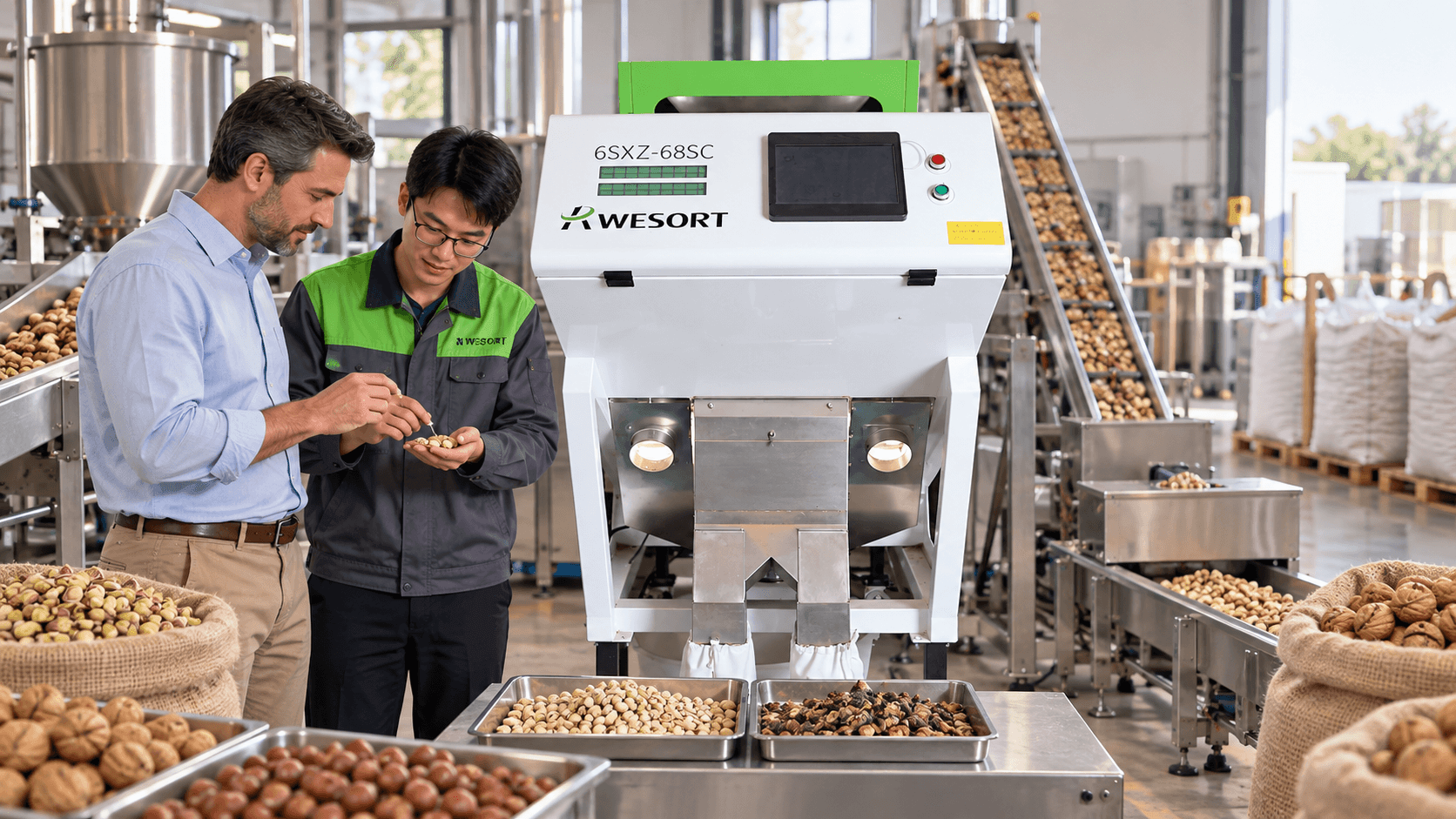
A reliable nut color sorter manufacturer should be able to prove three things before asking you to buy: that your actual material can be separated, that the proposed machine fits your production line, and that technical support will still be availa...
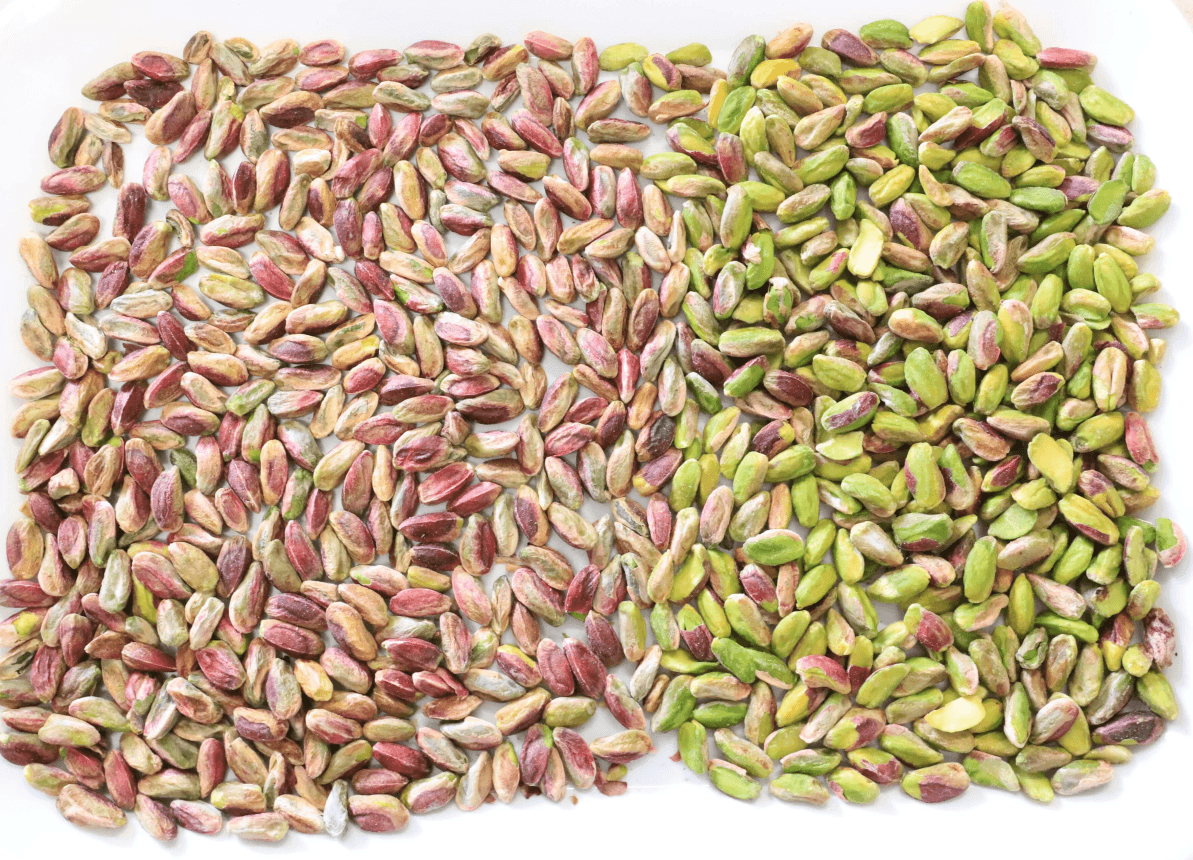
A pistachio sorter should be configured for the material entering it, not for the word “pistachio” alone. An in-shell line may need to separate open and closed shells. A kernel line may need color grades and removal of broken or dark pieces. A post...
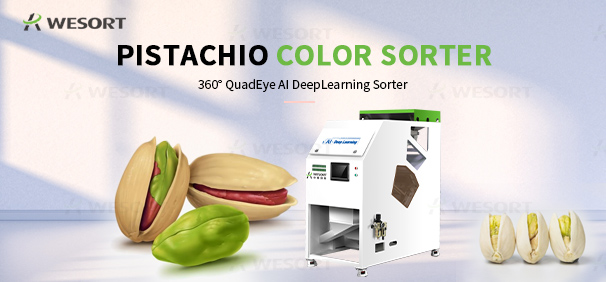
Choosing the right pistachio sorting machine in Turkey is not simply a matter of comparing machine width, number of chutes or advertised capacity. For pistachio processors, the more important question is: What exactly does the machine need to sep...
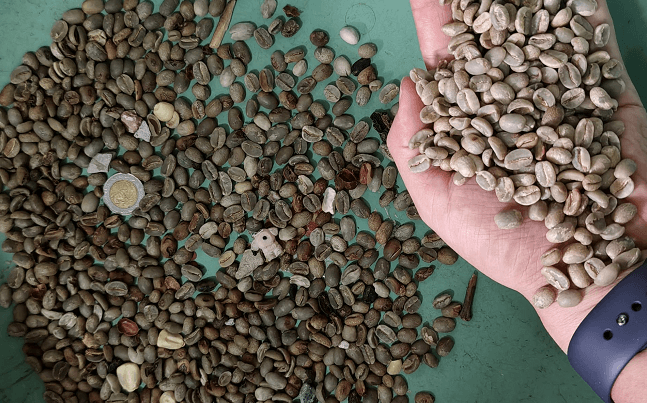
Choosing a coffee sorting machine in Colombia should not begin with the number of chutes or a headline capacity. It should begin with five facts about the coffee entering your line and the product you need to deliver. Without them, two machines th...
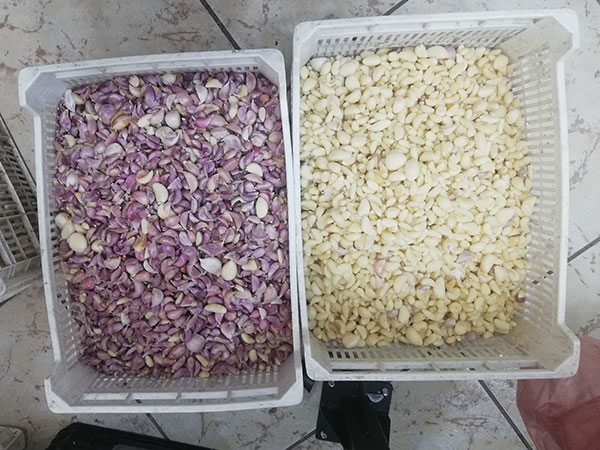
A garlic sorting machine can separate cloves that differ visibly from the accepted product in color, skin coverage, shape, size or surface condition. Typical targets include cloves with attached purple skin, incomplete peeling, yellow or brown disc...

Don’t bring only a business card. Bring the coffee your team is struggling to sort. From October 15 to 18, WESORT will be at Cafés de Colombia Expo 2026 in Bogotá. At Booth 2466, visitors can see how optical sorting responds to real coffee material...
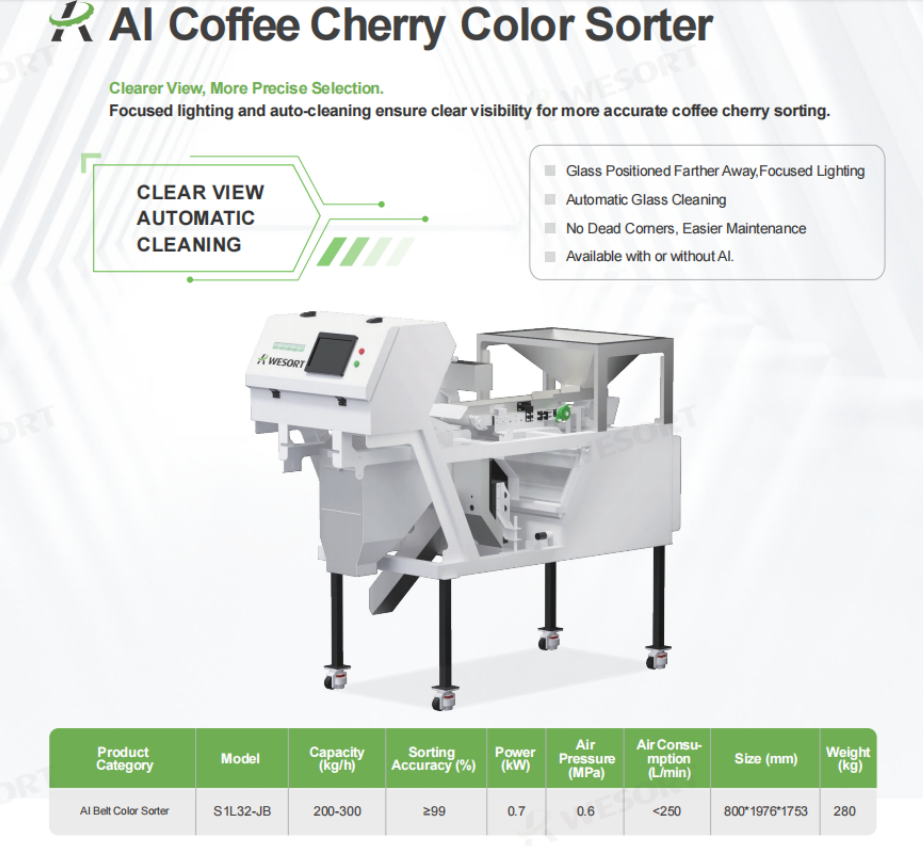
Industry Background and Problem Introduction Coffee processing combines natural variation in agricultural material with increasingly specific buyer and quality requirements. Fresh coffee cherries, parchment coffee, green beans and roasted beans are d...
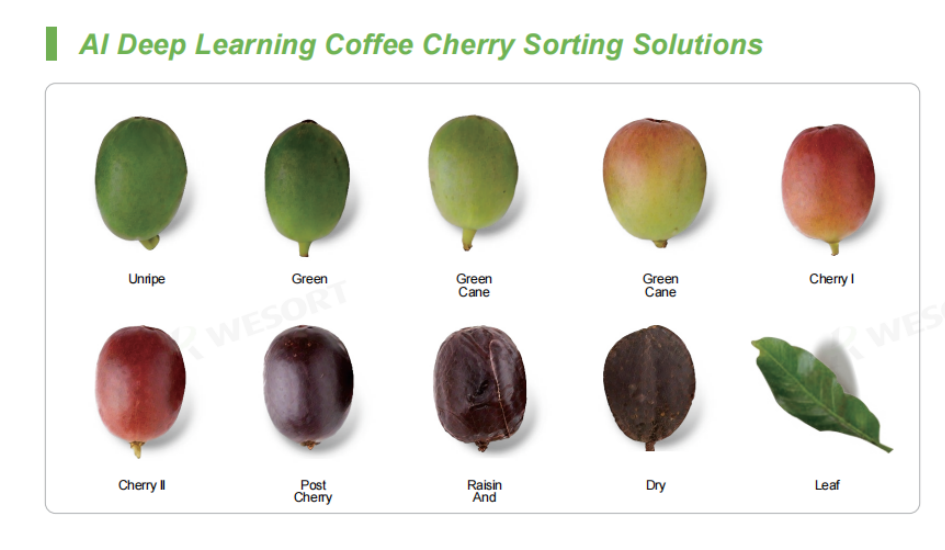
Sorting fresh coffee cherries before pulping or drying can help a processor separate visibly different fruit into more consistent lots. The right approach depends on the cherries, the acceptance standard and where the sorter will sit in the processin...

Every Pearl, Every Angle. 360° PANORAMIC AI PEARL SORTING The hardest part of pearl sorting is not seeing a pearl once. It is seeing enough of its surface to make a consistent decision. A dark spot may sit on the back. A fine crack may become visible...
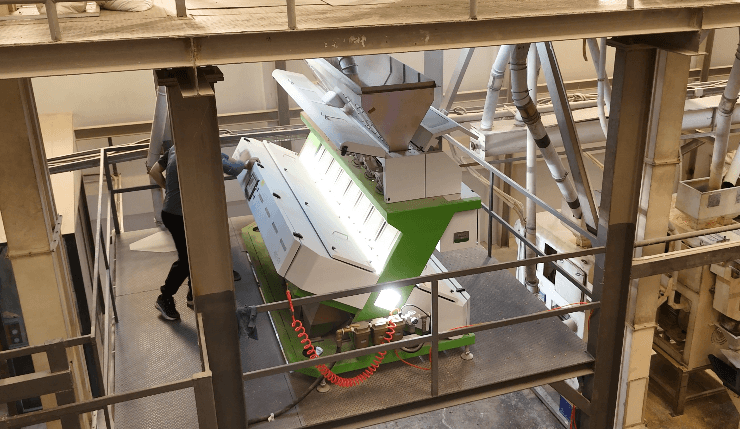
A practical way to choose a corn sorting machine is to compare your plant with corn processors that have already solved similar problems. WESORT has supplied corn sorting solutions for different production scales, from a dual-channel white-corn pro...
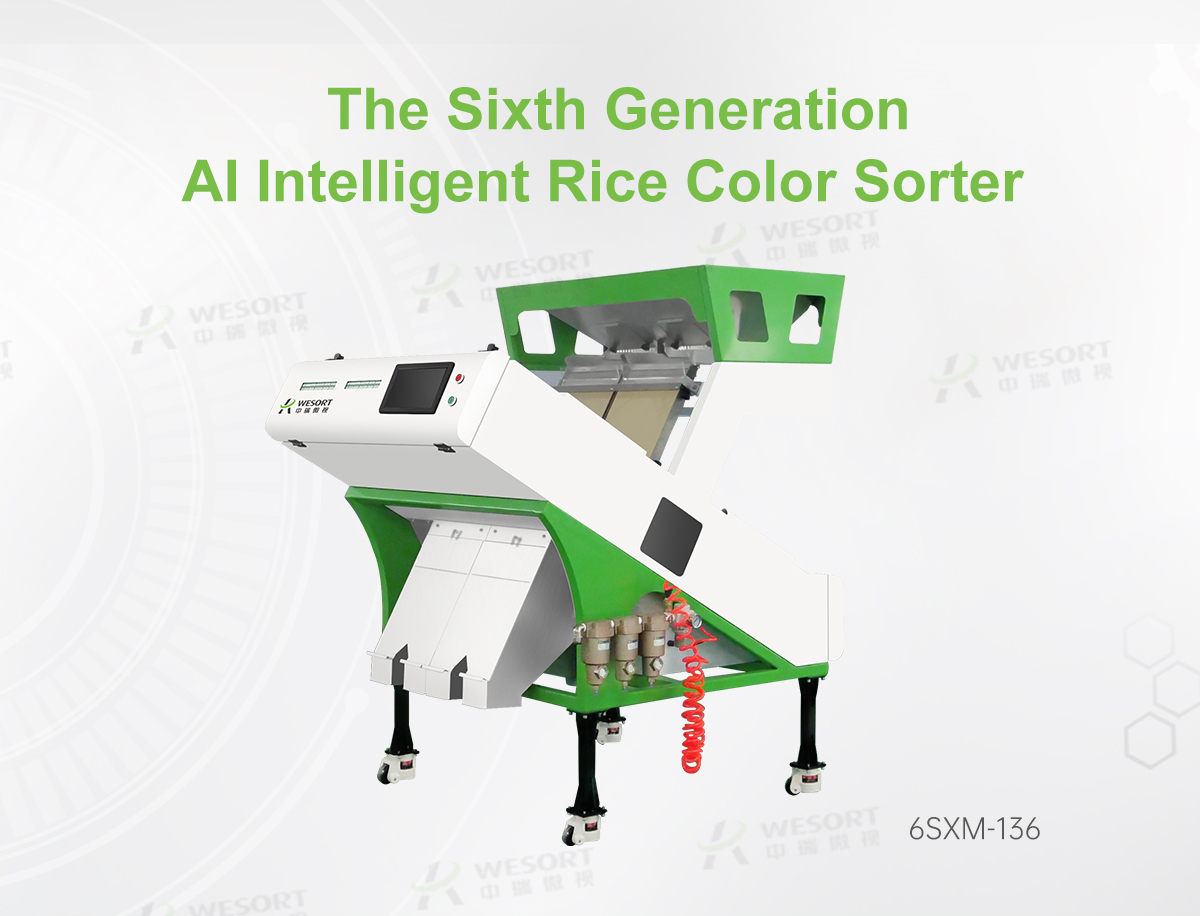
An optical rice sorter improves purity by turning visible differences into controlled separation decisions. Stable feeding presents the rice, illumination and cameras capture visible characteristics, software evaluates color and shape, and precisio...
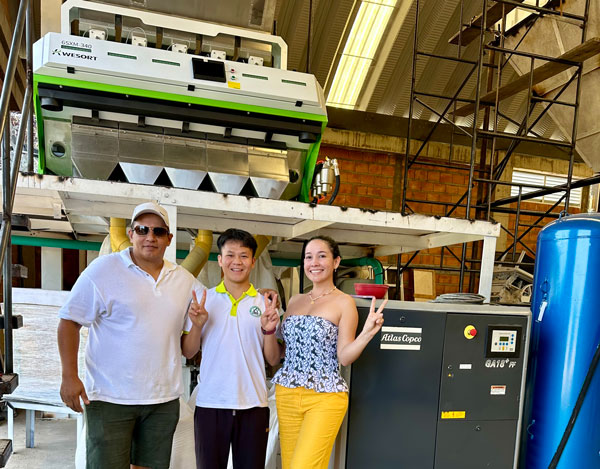
Choose a rice sorting machine by matching the rice variety, target defects, required throughput, finished-product standard, acceptable loss of good rice, and site utilities. Compare machines only after testing representative material and reviewing bo...
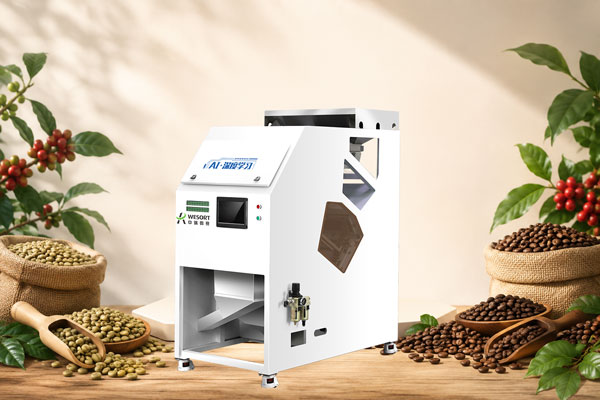
Coffee processors face a constant challenge when it comes to maintaining consistent quality across green and roasted coffee beans. Quakers, scorched beans, abnormal-color beans, broken beans, and foreign materials can affect the appearance and consis...
Mexico has a strong coffee-processing industry, with coffee producers and processors facing increasingly demanding requirements for quality, consistency, and production efficiency. From coffee cherries and green coffee beans to roasted coffee, effect...
Coffee quality control depends heavily on the equipment used to remove defective beans, foreign materials, and quality inconsistencies before roasting or export. For coffee processors, roasteries, and exporters, AI-powered optical color sorters h...
Coffee processors around the world are under growing pressure to deliver consistent quality while controlling costs and meeting strict export standards. Manual sorting—long the default method for removing quakers, scorched beans, and foreign matter...
Upgrade Your Sorting Solution with Exclusive Benefits In 2026. WESORT continues to move forward with innovation, quality, and commitment. We sincerely appreciate the trust and support from customers around the world. To give back to our global ...
The best bean-sorting result does not begin with a machine setting. It begins with a clear description of the beans you want to pack, the defects your buyer rejects and the amount of good product you are prepared to lose. Short answer: clean and s...
When nut processing enters its busiest weeks, inconsistent raw material, visible defects and foreign materials can quickly become production problems. For processors handling hazelnuts, pistachios, almonds, pecans, Brazil nuts, peanuts and other nut...
A mixed lot of dried chili rarely has just one problem. Dark pods sit beside red-brown pods, whole product is mixed with broken pieces, and stems or fibrous material remain in the flow. WESORT helps processors turn that mixed lot into clearly defin...
A reliable nut color sorter manufacturer should be able to prove three things before asking you to buy: that your actual material can be separated, that the proposed machine fits your production line, and that technical support will still be availa...