Shenzhen Wesort Optoelectronics Co., Ltd.
Address:Building 29, Longwangmiao Industrial Zone, Fuyong street, Bao'an District, Shenzhen, Guangdong Province, China.
Phone:+86 181 2370 6862

Choose a rice sorting machine by matching the rice variety, target defects, required throughput, finished-product standard, acceptable loss of good rice, and site utilities. Compare machines only after testing representative material and reviewing both the accepted product and the reject stream.
Choosing a rice sorting machine requires more than comparing prices, chute numbers, or a published capacity figure. The right decision connects four elements: the rice entering the machine, the defects that must be removed, the finished quality expected by the buyer, and the actual conditions of the processing line.
An undersized machine may restrict production. An oversized configuration may add unnecessary investment and compressed-air demand. A sorter purchased without testing the material may also fail to distinguish an important defect or eject too much acceptable rice. This guide provides an eight-step method for turning a plant's requirements into a specification that can be tested and compared.
Catalog capacity is normally calculated under specified conditions. In production, throughput changes with rice variety, grain size, moisture, defect percentage, feed stability, number of passes, and the required product standard. Two plants processing the same daily tonnage may therefore need different configurations.
Optical sorting works with characteristics that the inspection system can see and distinguish. Color information can help separate yellow, dark, or black grains, while shape information can help identify broken rice and fragments. Screens, destoners, magnets, and other cleaning equipment remain necessary for their respective physical separation tasks. A rice sorter should not be expected to compensate for poor upstream preparation.
“We want clean rice” is not a sufficient technical specification. The buyer should provide examples of acceptable grains, rejected material, and the degree of variation that can be tolerated. Without those references, neither separation performance nor the loss of good rice into the reject stream can be evaluated properly.
The first project document should be a rice profile. It should record the rice variety, grain length and shape, processing stage, approximate moisture, temperature, percentage of unwanted material, and variation between batches. It is also useful to note whether the product flows consistently, contains excessive dust, or has a wide mixture of sizes.
This information affects both feeding and recognition. A sample made up mainly of good rice does not represent the real sorting task. A useful trial requires representative production samples containing the target defects in proportions reasonably close to normal operating conditions.
A rice sorting machine can be configured for visible targets such as light-yellow or dark-yellow grains, black grains, chalky rice, broken rice, irregular pieces, paddy, and rice husks. Certain stones, plastic pieces, or glass can also be separated when their visible characteristics are distinguishable from the accepted product under the actual inspection conditions.
Instead of submitting an unranked list, the plant should classify each defect:
Priorities make it possible to prepare different sorting recipes for standard rice, higher-value grades, or batches intended for different buyers.
Required capacity should be expressed as kilograms or tonnes per hour, operating hours per shift, and production days. It should then be qualified by the incoming defect percentage, the finished-product target, and whether one or more sorting passes will be used.
Chute count influences available material flow, but it does not determine the final result by itself. Before comparing different WESORT rice color sorter configurations, ask under what conditions the stated capacity was calculated. The selected system should provide a reasonable operating margin without unnecessarily oversizing feeders, elevators, and compressed-air equipment.
The buyer must define what will be evaluated after sorting. Some projects prioritize the removal of dark grains; others focus on broken rice, husks, or overall visual uniformity. At minimum, the trial should examine three streams: incoming material, accepted product, and reject material.
Looking only at a small sample of accepted rice can hide valuable-product loss. The reject stream should also be opened and checked to determine how much marketable rice was ejected. The objective is not simply to remove more material; it is to meet the quality standard with an economically reasonable reject ratio.
An optical rice sorter combines controlled feeding, illumination, cameras, image processing, and ejector valves. For rice applications, combining color and shape information provides more flexibility than relying on a color threshold alone. Stored sorting recipes can also simplify changes between varieties and grades, provided that operators verify the result after each adjustment.
Before purchasing, request a demonstration of the user interface, observe how parameters are changed, and ask who can create or restore a sorting recipe. Buyers who want a broader explanation can review this guide to how an optical sorter works.
The machine does not operate in isolation. The plant should review the feed hopper, elevators, supporting platform, accepted and reject outlets, electrical supply, grounding, dust conditions, and maintenance access. Material feeding must remain stable because intermittent discharge or overfeeding can reduce inspection consistency.
Compressed air deserves particular attention because ejector valves use it to remove targeted defects. The installation needs clean, dry air with sufficient flow for the selected machine, together with an appropriate receiver, dryer, and filtration arrangement. Insufficient pressure, excessive pipe length, or blocked filters may weaken ejection or cause stoppages. Final requirements must follow the selected model's technical documentation and project agreement.
A complete purchase includes commissioning. Ask who will install the equipment, how operators will be trained, which maintenance tasks must be completed each shift, what spare parts should be kept on site, and how remote support works. Warranty coverage and the customer's maintenance responsibilities should also be stated clearly.
A multilingual interface and appropriate training materials reduce operating difficulties. Access to parameter-adjustment support is especially important when crop conditions, rice varieties, or buyer specifications change.
A useful test should reproduce the real material as closely as possible. The supplier needs the target capacity and sufficient samples of accepted rice and every priority defect. During the test, the selected settings should be recorded, and samples should be retained from the feed, accepted product, and reject stream.
A demonstration result helps define the solution, but production acceptance should also reflect the plant's feed system, moisture, impurity level, compressed air, environment, and continuous operating conditions. Final performance requirements should be recorded in the project's technical agreement.
| Buyer question | Evidence to request | Warning sign |
|---|---|---|
| Can it recognize our priority defects? | A representative material test and review of the reject stream | The answer is based only on photographs or a different material |
| Does capacity match our plant? | Throughput linked to impurity level, sorting recipe, and final standard | A guaranteed figure with no operating conditions |
| How much good rice is lost? | A sample and measurement of the rejected fraction | Only the accepted product is shown |
| Is the site ready? | Layout plus electrical, air, conveying, and access requirements | No review of utilities or auxiliary equipment |
| Who supports the plant after delivery? | Installation, training, spare-parts, and support plan | The proposal ends when the machine is shipped |
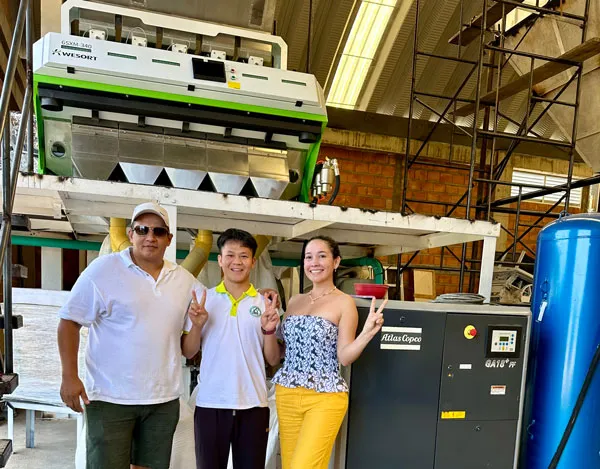
A Colombian rice processor needed a more efficient way to separate rice husks, broken grains, and rice fragments. WESORT supplied a five-chute machine configured around those specific sorting objectives and the plant's production requirements.
After commissioning, the customer described the sorting performance as very good and the efficiency as high. The customer also said that daily work had become easier and that rice quality had improved. According to the customer's own assessment, better quality contributed to a stronger product reputation and higher income.
The lesson is not that five chutes are right for every processor. It is that chute configuration should correspond to the actual defects, flow, and quality target. The commercial results above are feedback from this customer and are not a universal performance or income guarantee.
WESORT develops and manufactures intelligent sorting equipment based on machine vision, optical recognition, and deep-learning technology. Instead of recommending a machine only by stated production volume, the team reviews the sample, target defects, finished quality, available utilities, and existing process.
This information can be used to recommend a configuration, perform a free material test, and prepare installation, operating, and service guidance. The objective is to base the investment on observable evidence and agreed project requirements.
Send WESORT representative rice samples or videos, examples of accepted and rejected material, required hourly capacity, and a basic description of the existing line. The team can provide a free material test and prepare a recommendation based on the actual project conditions.
Choose a rice sorting machine by matching the rice variety, target defects, required throughput, finished-product standard, acceptable loss of good rice, and site utilities. Compare machines only after testing representative material and reviewing both the accepted product and the reject stream.
Choosing a rice sorting machine requires more than comparing prices, chute numbers, or a published capacity figure. The right decision connects four elements: the rice entering the machine, the defects that must be removed, the finished quality expected by the buyer, and the actual conditions of the processing line.
An undersized machine may restrict production. An oversized configuration may add unnecessary investment and compressed-air demand. A sorter purchased without testing the material may also fail to distinguish an important defect or eject too much acceptable rice. This guide provides an eight-step method for turning a plant's requirements into a specification that can be tested and compared.
Catalog capacity is normally calculated under specified conditions. In production, throughput changes with rice variety, grain size, moisture, defect percentage, feed stability, number of passes, and the required product standard. Two plants processing the same daily tonnage may therefore need different configurations.
Optical sorting works with characteristics that the inspection system can see and distinguish. Color information can help separate yellow, dark, or black grains, while shape information can help identify broken rice and fragments. Screens, destoners, magnets, and other cleaning equipment remain necessary for their respective physical separation tasks. A rice sorter should not be expected to compensate for poor upstream preparation.
“We want clean rice” is not a sufficient technical specification. The buyer should provide examples of acceptable grains, rejected material, and the degree of variation that can be tolerated. Without those references, neither separation performance nor the loss of good rice into the reject stream can be evaluated properly.
The first project document should be a rice profile. It should record the rice variety, grain length and shape, processing stage, approximate moisture, temperature, percentage of unwanted material, and variation between batches. It is also useful to note whether the product flows consistently, contains excessive dust, or has a wide mixture of sizes.
This information affects both feeding and recognition. A sample made up mainly of good rice does not represent the real sorting task. A useful trial requires representative production samples containing the target defects in proportions reasonably close to normal operating conditions.
A rice sorting machine can be configured for visible targets such as light-yellow or dark-yellow grains, black grains, chalky rice, broken rice, irregular pieces, paddy, and rice husks. Certain stones, plastic pieces, or glass can also be separated when their visible characteristics are distinguishable from the accepted product under the actual inspection conditions.
Instead of submitting an unranked list, the plant should classify each defect:
Priorities make it possible to prepare different sorting recipes for standard rice, higher-value grades, or batches intended for different buyers.
Required capacity should be expressed as kilograms or tonnes per hour, operating hours per shift, and production days. It should then be qualified by the incoming defect percentage, the finished-product target, and whether one or more sorting passes will be used.
Chute count influences available material flow, but it does not determine the final result by itself. Before comparing different WESORT rice color sorter configurations, ask under what conditions the stated capacity was calculated. The selected system should provide a reasonable operating margin without unnecessarily oversizing feeders, elevators, and compressed-air equipment.
The buyer must define what will be evaluated after sorting. Some projects prioritize the removal of dark grains; others focus on broken rice, husks, or overall visual uniformity. At minimum, the trial should examine three streams: incoming material, accepted product, and reject material.
Looking only at a small sample of accepted rice can hide valuable-product loss. The reject stream should also be opened and checked to determine how much marketable rice was ejected. The objective is not simply to remove more material; it is to meet the quality standard with an economically reasonable reject ratio.
An optical rice sorter combines controlled feeding, illumination, cameras, image processing, and ejector valves. For rice applications, combining color and shape information provides more flexibility than relying on a color threshold alone. Stored sorting recipes can also simplify changes between varieties and grades, provided that operators verify the result after each adjustment.
Before purchasing, request a demonstration of the user interface, observe how parameters are changed, and ask who can create or restore a sorting recipe. Buyers who want a broader explanation can review this guide to how an optical sorter works.
The machine does not operate in isolation. The plant should review the feed hopper, elevators, supporting platform, accepted and reject outlets, electrical supply, grounding, dust conditions, and maintenance access. Material feeding must remain stable because intermittent discharge or overfeeding can reduce inspection consistency.
Compressed air deserves particular attention because ejector valves use it to remove targeted defects. The installation needs clean, dry air with sufficient flow for the selected machine, together with an appropriate receiver, dryer, and filtration arrangement. Insufficient pressure, excessive pipe length, or blocked filters may weaken ejection or cause stoppages. Final requirements must follow the selected model's technical documentation and project agreement.
A complete purchase includes commissioning. Ask who will install the equipment, how operators will be trained, which maintenance tasks must be completed each shift, what spare parts should be kept on site, and how remote support works. Warranty coverage and the customer's maintenance responsibilities should also be stated clearly.
A multilingual interface and appropriate training materials reduce operating difficulties. Access to parameter-adjustment support is especially important when crop conditions, rice varieties, or buyer specifications change.
A useful test should reproduce the real material as closely as possible. The supplier needs the target capacity and sufficient samples of accepted rice and every priority defect. During the test, the selected settings should be recorded, and samples should be retained from the feed, accepted product, and reject stream.
A demonstration result helps define the solution, but production acceptance should also reflect the plant's feed system, moisture, impurity level, compressed air, environment, and continuous operating conditions. Final performance requirements should be recorded in the project's technical agreement.
| Buyer question | Evidence to request | Warning sign |
|---|---|---|
| Can it recognize our priority defects? | A representative material test and review of the reject stream | The answer is based only on photographs or a different material |
| Does capacity match our plant? | Throughput linked to impurity level, sorting recipe, and final standard | A guaranteed figure with no operating conditions |
| How much good rice is lost? | A sample and measurement of the rejected fraction | Only the accepted product is shown |
| Is the site ready? | Layout plus electrical, air, conveying, and access requirements | No review of utilities or auxiliary equipment |
| Who supports the plant after delivery? | Installation, training, spare-parts, and support plan | The proposal ends when the machine is shipped |
A Colombian rice processor needed a more efficient way to separate rice husks, broken grains, and rice fragments. WESORT supplied a five-chute machine configured around those specific sorting objectives and the plant's production requirements.
After commissioning, the customer described the sorting performance as very good and the efficiency as high. The customer also said that daily work had become easier and that rice quality had improved. According to the customer's own assessment, better quality contributed to a stronger product reputation and higher income.
The lesson is not that five chutes are right for every processor. It is that chute configuration should correspond to the actual defects, flow, and quality target. The commercial results above are feedback from this customer and are not a universal performance or income guarantee.
WESORT develops and manufactures intelligent sorting equipment based on machine vision, optical recognition, and deep-learning technology. Instead of recommending a machine only by stated production volume, the team reviews the sample, target defects, finished quality, available utilities, and existing process.
This information can be used to recommend a configuration, perform a free material test, and prepare installation, operating, and service guidance. The objective is to base the investment on observable evidence and agreed project requirements.
Send WESORT representative rice samples or videos, examples of accepted and rejected material, required hourly capacity, and a basic description of the existing line. The team can provide a free material test and prepare a recommendation based on the actual project conditions.

Mexico has a strong coffee-processing industry, with coffee producers and processors facing increasingly demanding requirements for quality, consistency, and production efficiency. From coffee cherries and green coffee beans to roasted coffee, effect...

Coffee quality control depends heavily on the equipment used to remove defective beans, foreign materials, and quality inconsistencies before roasting or export. For coffee processors, roasteries, and exporters, AI-powered optical color sorters h...
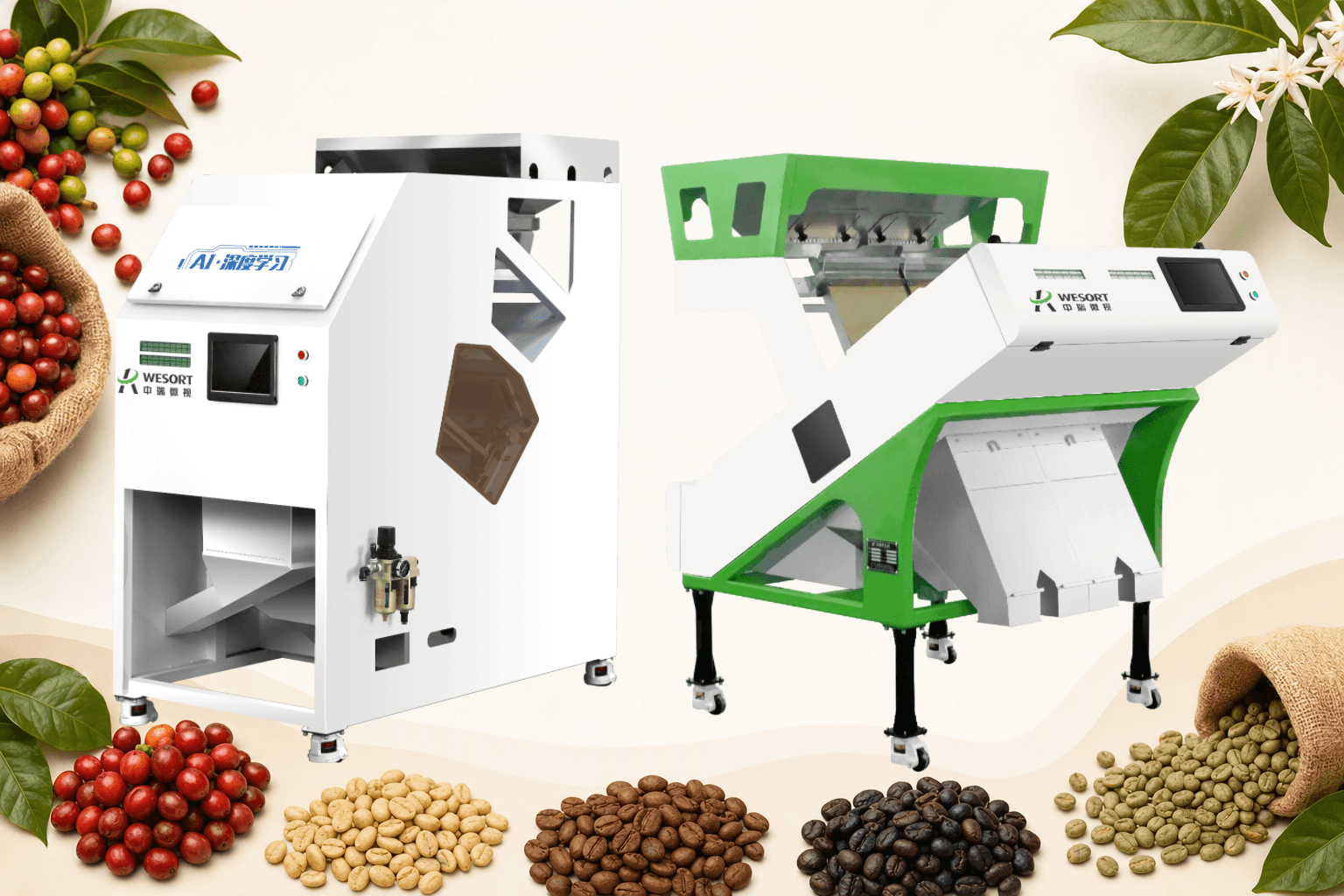
Coffee processors around the world are under growing pressure to deliver consistent quality while controlling costs and meeting strict export standards. Manual sorting—long the default method for removing quakers, scorched beans, and foreign matter...
Upgrade Your Sorting Solution with Exclusive Benefits In 2026. WESORT continues to move forward with innovation, quality, and commitment. We sincerely appreciate the trust and support from customers around the world. To give back to our global ...
The best bean-sorting result does not begin with a machine setting. It begins with a clear description of the beans you want to pack, the defects your buyer rejects and the amount of good product you are prepared to lose. Short answer: clean and s...

When nut processing enters its busiest weeks, inconsistent raw material, visible defects and foreign materials can quickly become production problems. For processors handling hazelnuts, pistachios, almonds, pecans, Brazil nuts, peanuts and other nut...
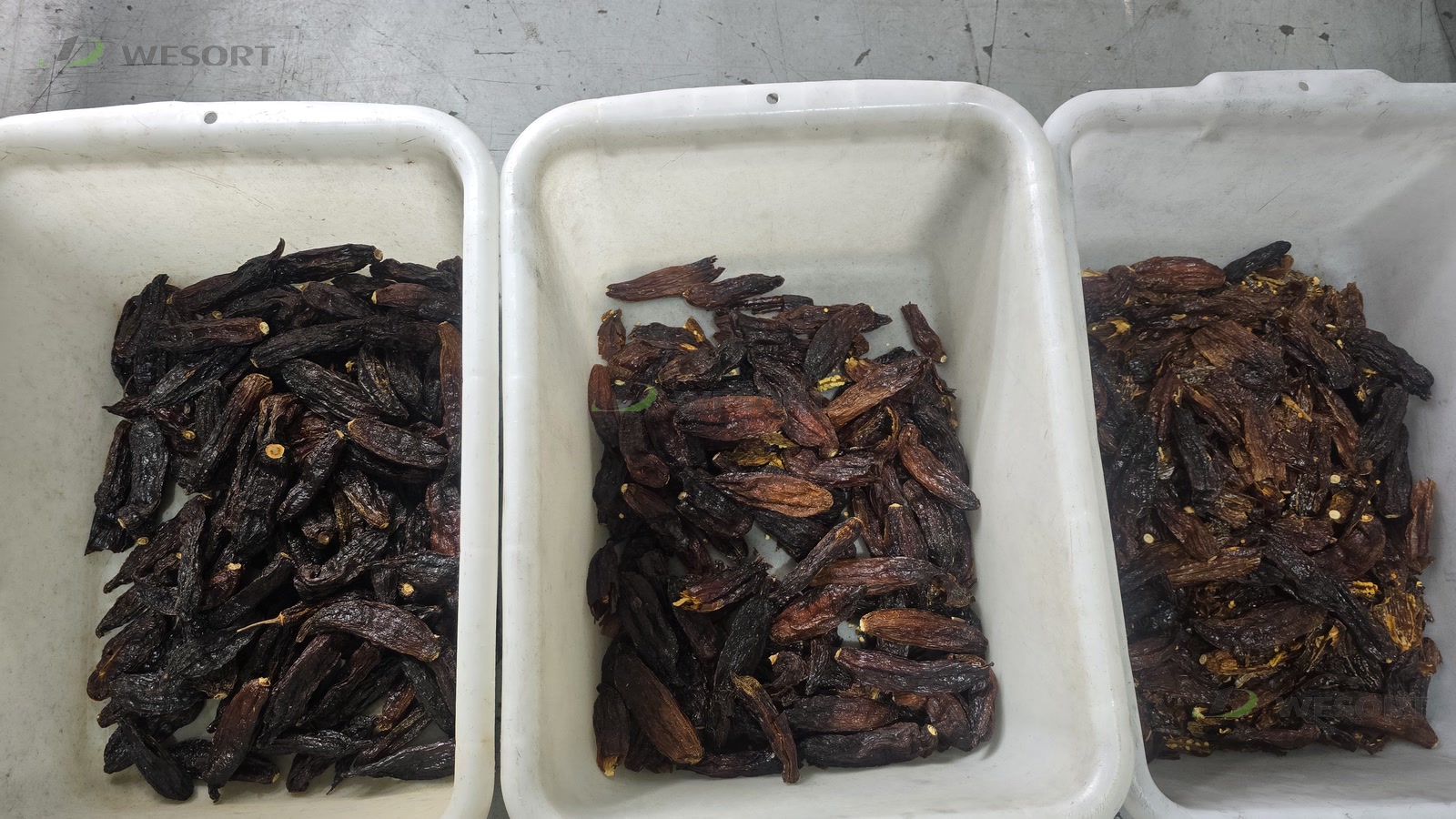
A mixed lot of dried chili rarely has just one problem. Dark pods sit beside red-brown pods, whole product is mixed with broken pieces, and stems or fibrous material remain in the flow. WESORT helps processors turn that mixed lot into clearly defin...
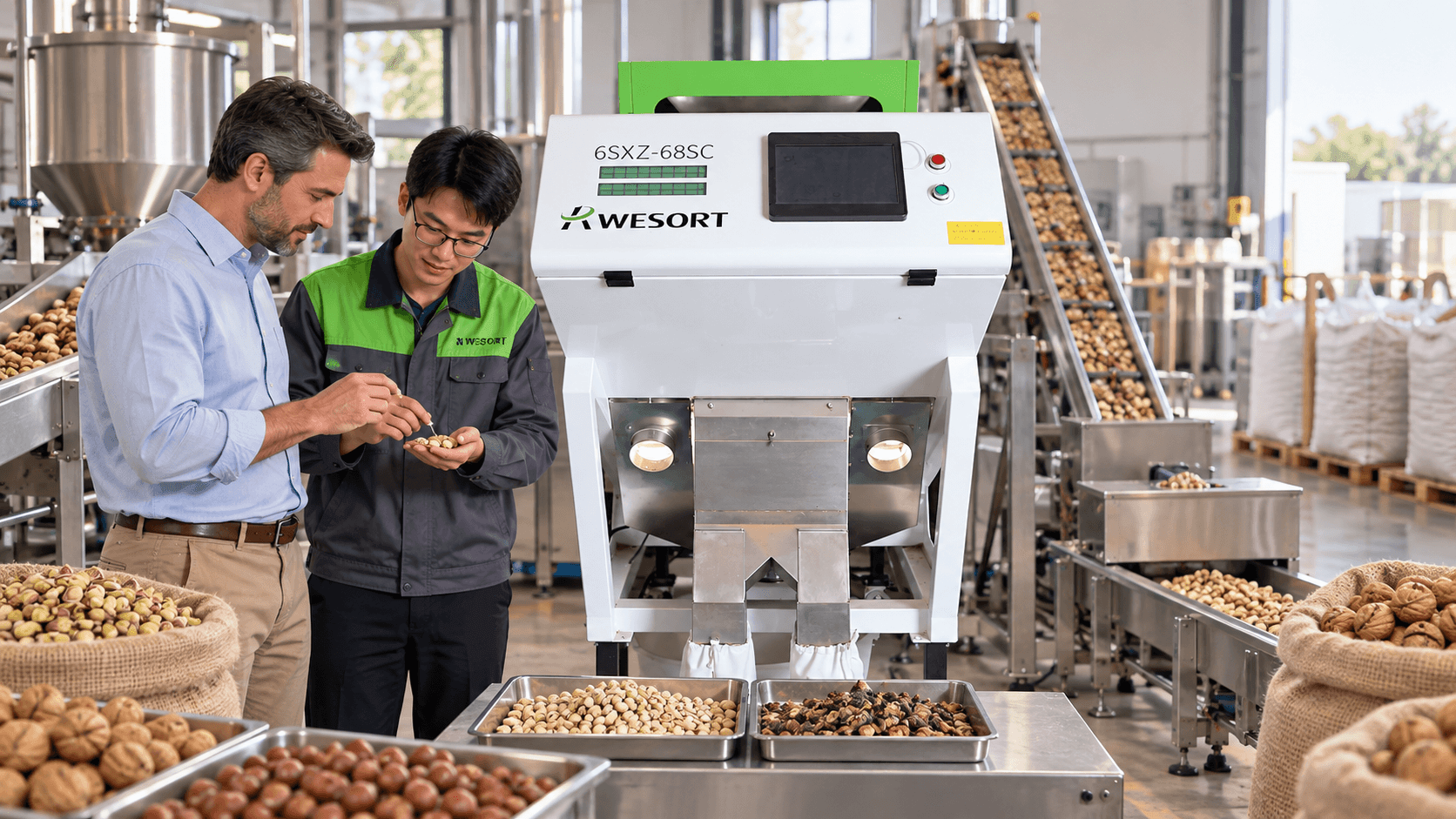
A reliable nut color sorter manufacturer should be able to prove three things before asking you to buy: that your actual material can be separated, that the proposed machine fits your production line, and that technical support will still be availa...
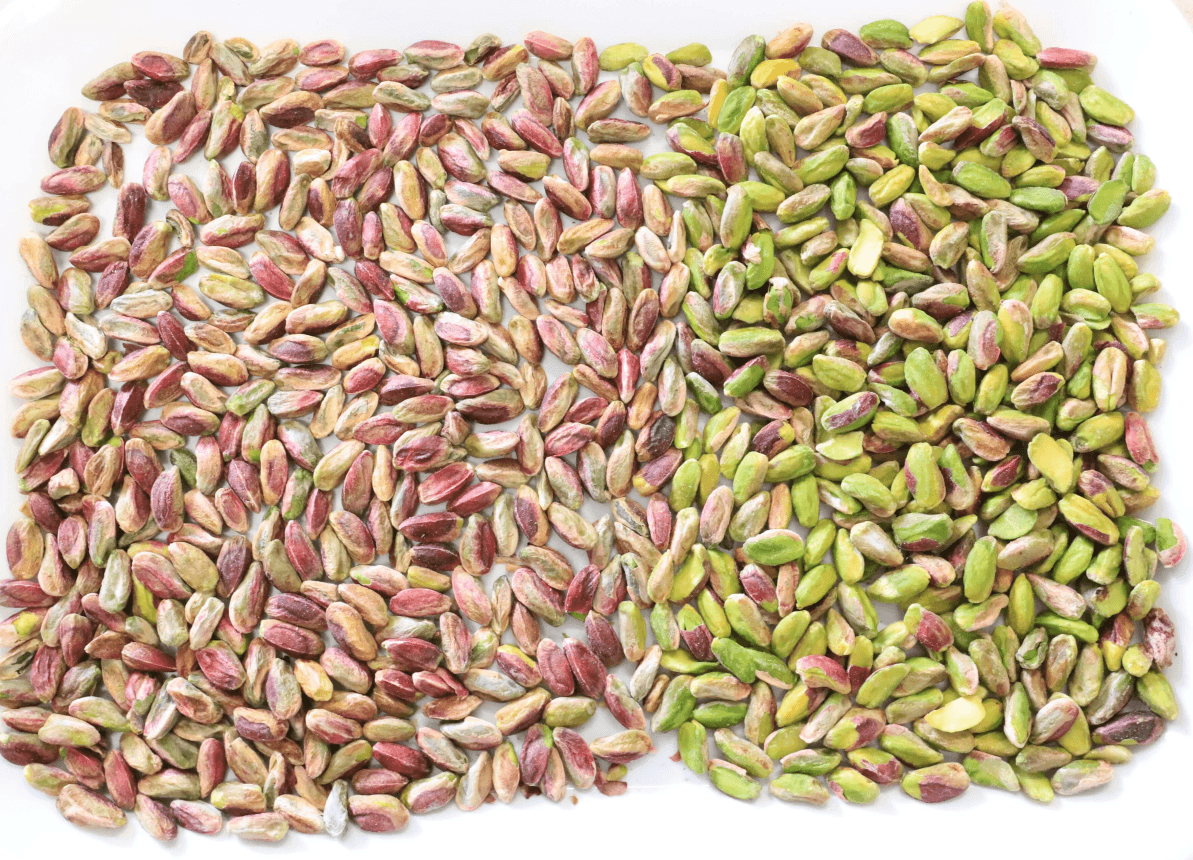
A pistachio sorter should be configured for the material entering it, not for the word “pistachio” alone. An in-shell line may need to separate open and closed shells. A kernel line may need color grades and removal of broken or dark pieces. A post...
Choosing the right pistachio sorting machine in Turkey is not simply a matter of comparing machine width, number of chutes or advertised capacity. For pistachio processors, the more important question is: What exactly does the machine need to sep...

Choosing a coffee sorting machine in Colombia should not begin with the number of chutes or a headline capacity. It should begin with five facts about the coffee entering your line and the product you need to deliver. Without them, two machines th...
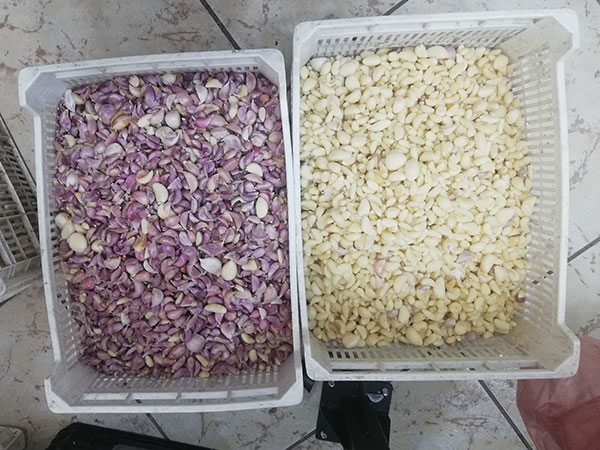
A garlic sorting machine can separate cloves that differ visibly from the accepted product in color, skin coverage, shape, size or surface condition. Typical targets include cloves with attached purple skin, incomplete peeling, yellow or brown disc...

Don’t bring only a business card. Bring the coffee your team is struggling to sort. From October 15 to 18, WESORT will be at Cafés de Colombia Expo 2026 in Bogotá. At Booth 2466, visitors can see how optical sorting responds to real coffee material...
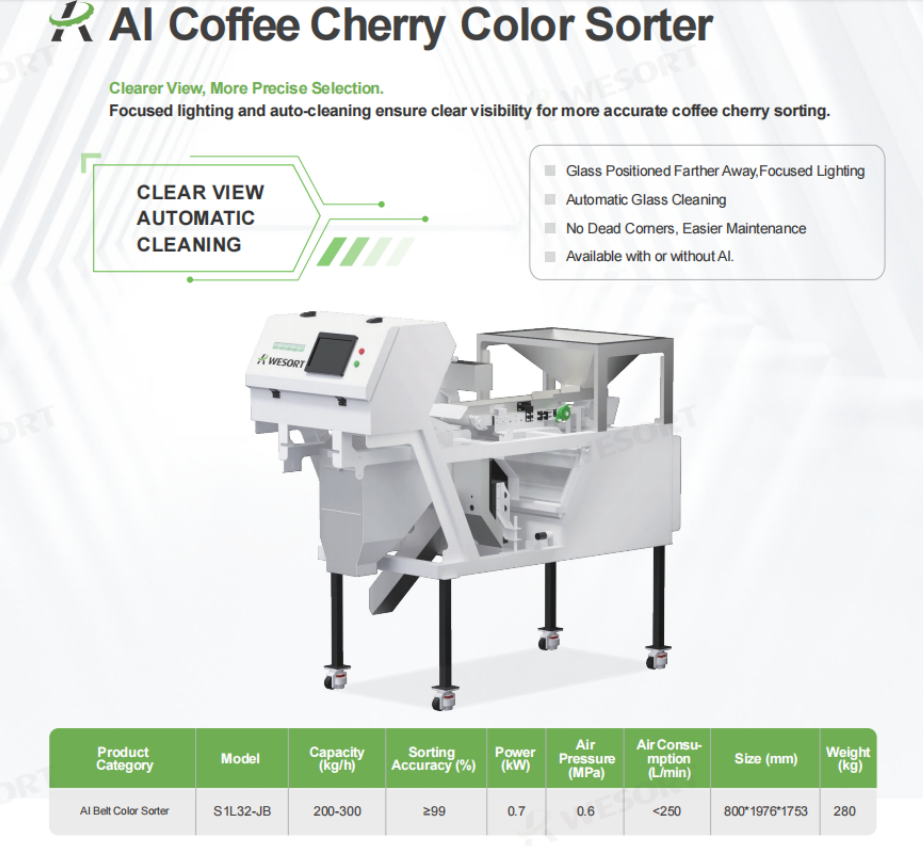
Industry Background and Problem Introduction Coffee processing combines natural variation in agricultural material with increasingly specific buyer and quality requirements. Fresh coffee cherries, parchment coffee, green beans and roasted beans are d...
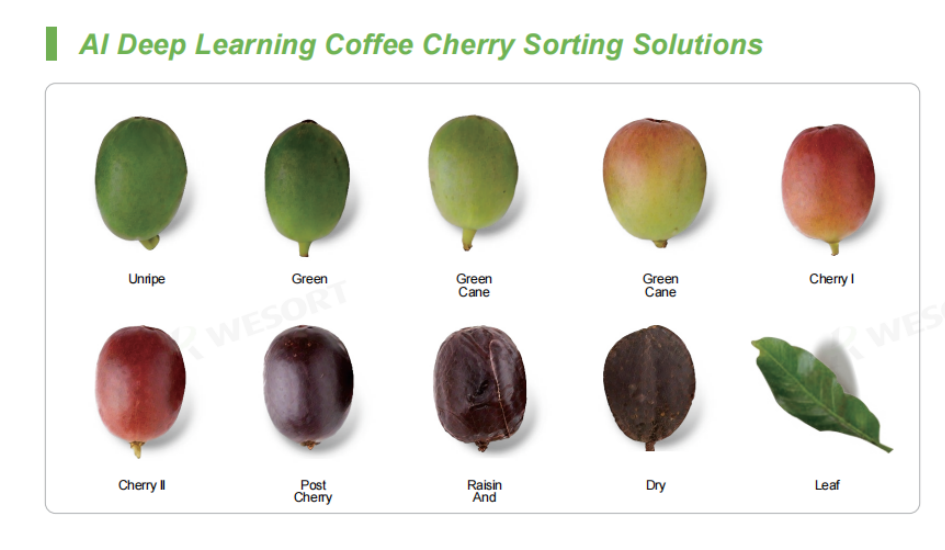
Sorting fresh coffee cherries before pulping or drying can help a processor separate visibly different fruit into more consistent lots. The right approach depends on the cherries, the acceptance standard and where the sorter will sit in the processin...

Every Pearl, Every Angle. 360° PANORAMIC AI PEARL SORTING The hardest part of pearl sorting is not seeing a pearl once. It is seeing enough of its surface to make a consistent decision. A dark spot may sit on the back. A fine crack may become visible...
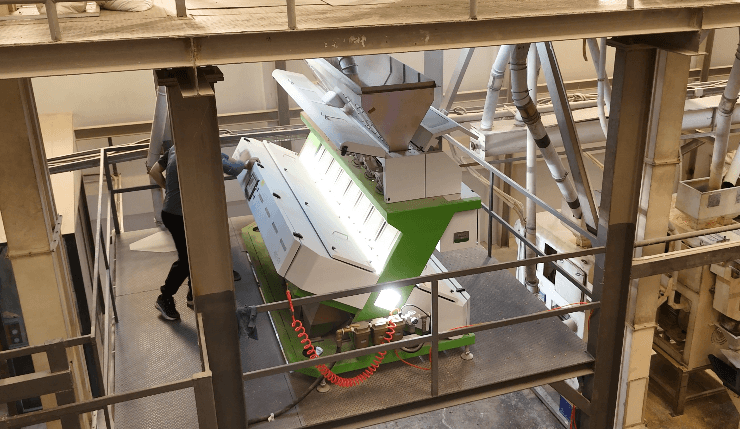
A practical way to choose a corn sorting machine is to compare your plant with corn processors that have already solved similar problems. WESORT has supplied corn sorting solutions for different production scales, from a dual-channel white-corn pro...
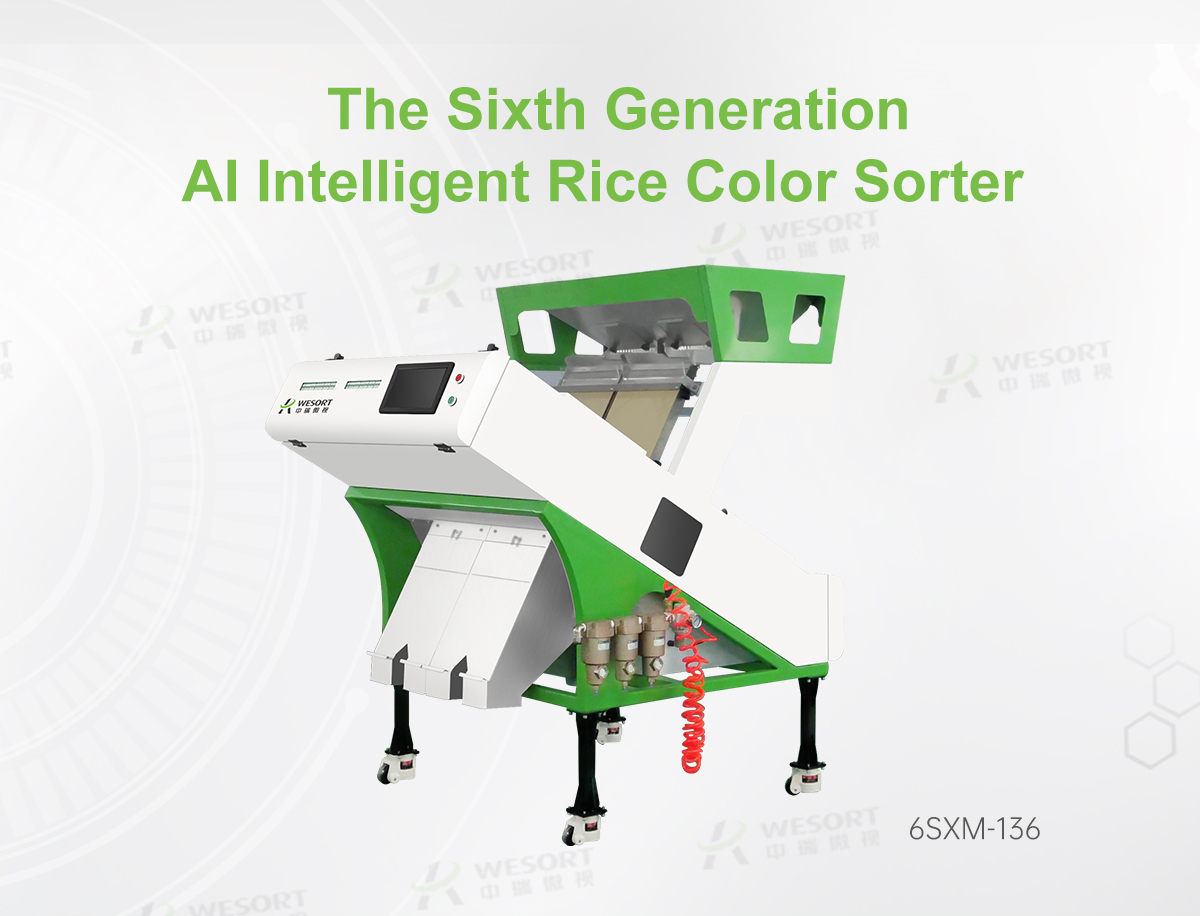
An optical rice sorter improves purity by turning visible differences into controlled separation decisions. Stable feeding presents the rice, illumination and cameras capture visible characteristics, software evaluates color and shape, and precisio...
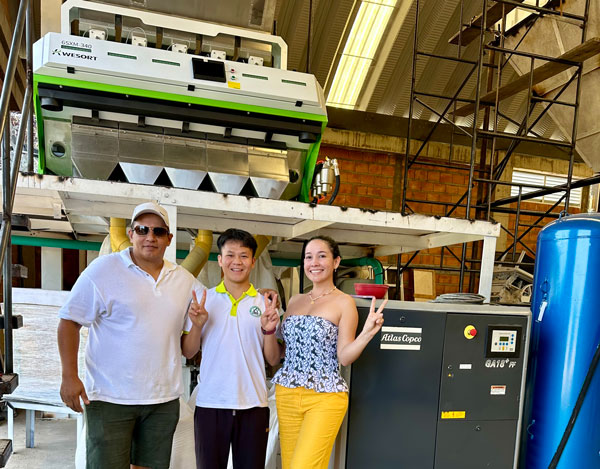
Choose a rice sorting machine by matching the rice variety, target defects, required throughput, finished-product standard, acceptable loss of good rice, and site utilities. Compare machines only after testing representative material and reviewing bo...
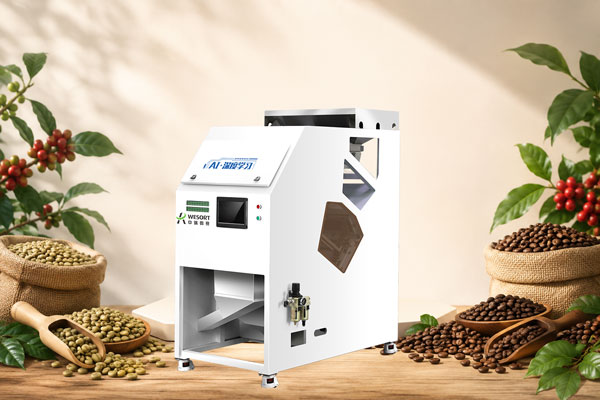
Coffee processors face a constant challenge when it comes to maintaining consistent quality across green and roasted coffee beans. Quakers, scorched beans, abnormal-color beans, broken beans, and foreign materials can affect the appearance and consis...
Mexico has a strong coffee-processing industry, with coffee producers and processors facing increasingly demanding requirements for quality, consistency, and production efficiency. From coffee cherries and green coffee beans to roasted coffee, effect...
Coffee quality control depends heavily on the equipment used to remove defective beans, foreign materials, and quality inconsistencies before roasting or export. For coffee processors, roasteries, and exporters, AI-powered optical color sorters h...
Coffee processors around the world are under growing pressure to deliver consistent quality while controlling costs and meeting strict export standards. Manual sorting—long the default method for removing quakers, scorched beans, and foreign matter...
Upgrade Your Sorting Solution with Exclusive Benefits In 2026. WESORT continues to move forward with innovation, quality, and commitment. We sincerely appreciate the trust and support from customers around the world. To give back to our global ...
The best bean-sorting result does not begin with a machine setting. It begins with a clear description of the beans you want to pack, the defects your buyer rejects and the amount of good product you are prepared to lose. Short answer: clean and s...
When nut processing enters its busiest weeks, inconsistent raw material, visible defects and foreign materials can quickly become production problems. For processors handling hazelnuts, pistachios, almonds, pecans, Brazil nuts, peanuts and other nut...
A mixed lot of dried chili rarely has just one problem. Dark pods sit beside red-brown pods, whole product is mixed with broken pieces, and stems or fibrous material remain in the flow. WESORT helps processors turn that mixed lot into clearly defin...
A reliable nut color sorter manufacturer should be able to prove three things before asking you to buy: that your actual material can be separated, that the proposed machine fits your production line, and that technical support will still be availa...