Shenzhen Wesort Optoelectronics Co., Ltd.
Address:Building 29, Longwangmiao Industrial Zone, Fuyong street, Bao'an District, Shenzhen, Guangdong Province, China.
Phone:+86 181 2370 6862

What's the most vexing issue in the hazelnut industry chain? It's not yield, but quality. Defects like mold, wrinkled skin, and foreign matter not only reduce product value but can also put export orders at risk. The solution isn't to increase the number of workers, but to achieve efficient sorting through intelligent equipment. However, how can stringent food safety standards be maintained during high-speed production? The answer: an intelligent, precise hazelnut color sorter.
1. Hazelnuts commonly encounter several defects during harvesting and processing:
2. Pest infestation and mold: These directly impact edible quality and safety.
3. Wrinkled skin and discoloration: These impact appearance and market acceptance.
4. Crush and foreign matter: These reduce yield and grading standards.
Manual sorting for these issues often fails to consistently achieve these results. Automated hazelnut color sorters, however, can quickly identify and remove problematic nuts, significantly improving yield and efficiency.

To judge whether a hazelnut color sorter is "good to use," consider the following key indicators:
1. Accuracy: Can it identify subtle defects such as black spots, cracks, and mold?
2. Intelligence: Whether it features AI deep learning, self-optimization, and remote monitoring.
3. Adaptability: Can it process both raw and roasted hazelnuts to meet different process requirements?
4. Stability and Cost: High rejection efficiency, low energy consumption, and easy maintenance.
As an industry-leading brand, WESORT has specialized in intelligent nut sorting for many years, and its hazelnut color sorters have earned widespread recognition in the global market.
1. AI Deep Learning Recognition → Accurately distinguishes between insect-damaged, wrinkled, moldy, and normal kernels.
2. Multi-Dimensional Inspection → Detects defects based on color, shape, size, texture, and other factors to ensure consistent grading.
3. Intelligent Remote App Control → Users can adjust parameters at any time, reducing manual intervention and improving operational convenience.
4. Magnetic Levitation Solenoid Valve → Accurate rejection, fast response, low energy consumption, and long lifespan ensure long-term stable operation.

1. Raw Hazelnut Processing: Removes pests, black spots, wrinkled skins, incomplete kernels, and foreign matter such as stones and glass.
2. Roasted Hazelnut Processing: Removes in-shell, cinched, broken hazelnuts, moldy hazelnuts, branches, leaves, and impurities to improve product quality.
Committed to being the "best hazelnut color sorter," WESORT offers a one-stop, efficient solution for hazelnut processing companies with its superior detection accuracy, intelligent functions, and low-energy design. Choosing WESORT not only significantly improves hazelnut quality and production capacity, but also reduces labor costs and enhances market competitiveness.
WESORT Hazelnut Color Sorter ensures that every hazelnut is safer, higher quality, and more valuable.
What's the most vexing issue in the hazelnut industry chain? It's not yield, but quality. Defects like mold, wrinkled skin, and foreign matter not only reduce product value but can also put export orders at risk. The solution isn't to increase the number of workers, but to achieve efficient sorting through intelligent equipment. However, how can stringent food safety standards be maintained during high-speed production? The answer: an intelligent, precise hazelnut color sorter.
1. Hazelnuts commonly encounter several defects during harvesting and processing:
2. Pest infestation and mold: These directly impact edible quality and safety.
3. Wrinkled skin and discoloration: These impact appearance and market acceptance.
4. Crush and foreign matter: These reduce yield and grading standards.
Manual sorting for these issues often fails to consistently achieve these results. Automated hazelnut color sorters, however, can quickly identify and remove problematic nuts, significantly improving yield and efficiency.
To judge whether a hazelnut color sorter is "good to use," consider the following key indicators:
1. Accuracy: Can it identify subtle defects such as black spots, cracks, and mold?
2. Intelligence: Whether it features AI deep learning, self-optimization, and remote monitoring.
3. Adaptability: Can it process both raw and roasted hazelnuts to meet different process requirements?
4. Stability and Cost: High rejection efficiency, low energy consumption, and easy maintenance.
As an industry-leading brand, WESORT has specialized in intelligent nut sorting for many years, and its hazelnut color sorters have earned widespread recognition in the global market.
1. AI Deep Learning Recognition → Accurately distinguishes between insect-damaged, wrinkled, moldy, and normal kernels.
2. Multi-Dimensional Inspection → Detects defects based on color, shape, size, texture, and other factors to ensure consistent grading.
3. Intelligent Remote App Control → Users can adjust parameters at any time, reducing manual intervention and improving operational convenience.
4. Magnetic Levitation Solenoid Valve → Accurate rejection, fast response, low energy consumption, and long lifespan ensure long-term stable operation.
1. Raw Hazelnut Processing: Removes pests, black spots, wrinkled skins, incomplete kernels, and foreign matter such as stones and glass.
2. Roasted Hazelnut Processing: Removes in-shell, cinched, broken hazelnuts, moldy hazelnuts, branches, leaves, and impurities to improve product quality.
Committed to being the "best hazelnut color sorter," WESORT offers a one-stop, efficient solution for hazelnut processing companies with its superior detection accuracy, intelligent functions, and low-energy design. Choosing WESORT not only significantly improves hazelnut quality and production capacity, but also reduces labor costs and enhances market competitiveness.
WESORT Hazelnut Color Sorter ensures that every hazelnut is safer, higher quality, and more valuable.
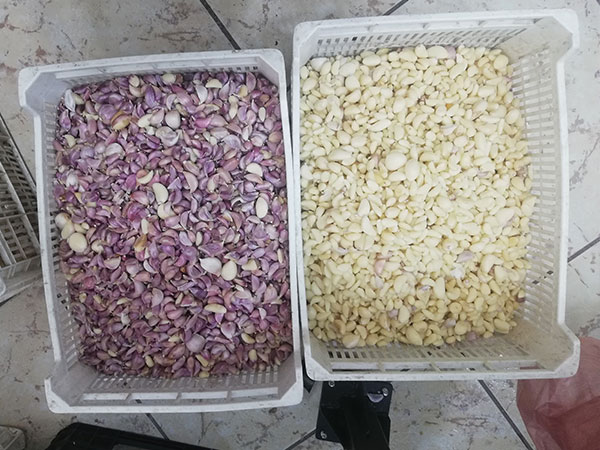
A garlic sorting machine can separate cloves that differ visibly from the accepted product in color, skin coverage, shape, size or surface condition. Typical targets include cloves with attached purple skin, incomplete peeling, yellow or brown disc...

Don’t bring only a business card. Bring the coffee your team is struggling to sort. From October 15 to 18, WESORT will be at Cafés de Colombia Expo 2026 in Bogotá. At Booth 2466, visitors can see how optical sorting responds to real coffee material...
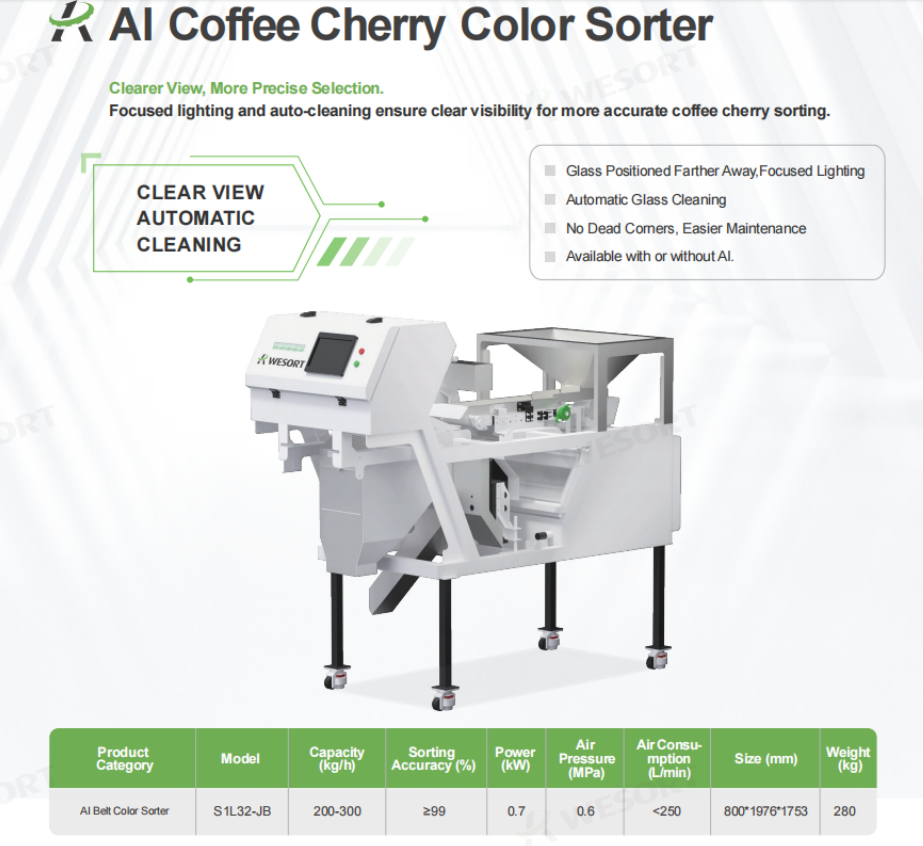
Industry Background and Problem Introduction Coffee processing combines natural variation in agricultural material with increasingly specific buyer and quality requirements. Fresh coffee cherries, parchment coffee, green beans and roasted beans are d...
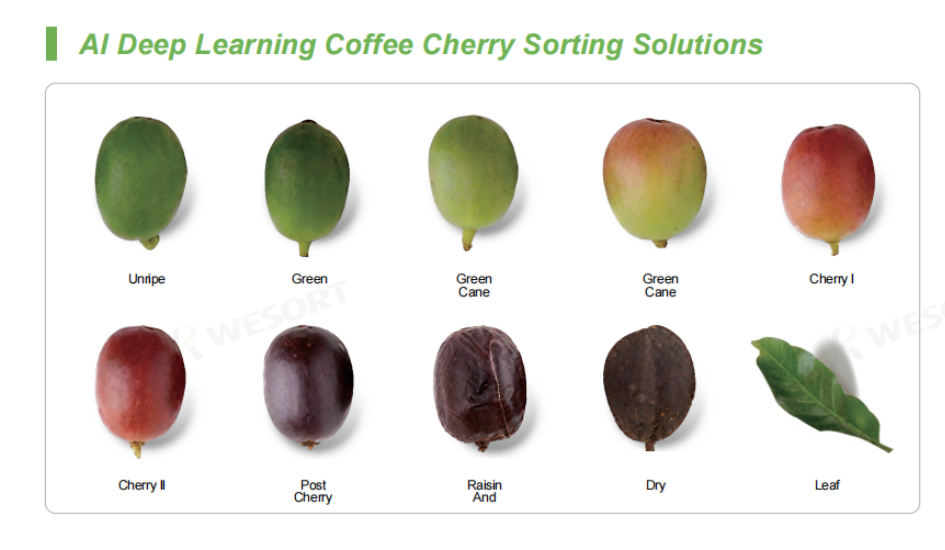
Sorting fresh coffee cherries before pulping or drying can help a processor separate visibly different fruit into more consistent lots. The right approach depends on the cherries, the acceptance standard and where the sorter will sit in the processin...
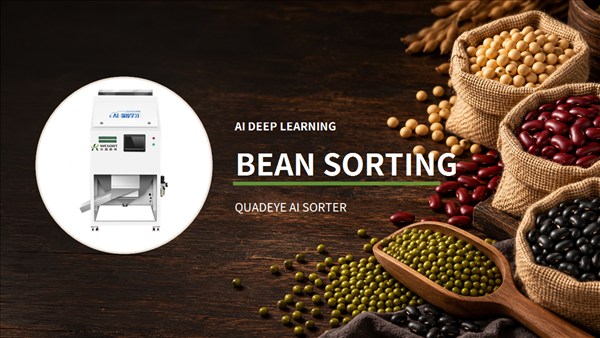
Table of Contents Start with the bean application Six criteria that affect the real result What WESORT brings to bean sorting How to run a meaningful sample test FAQ The best beans color sorting machine is the one that matches your bean variety, targ...

If you are looking for where to buy a corn color sorter from China, the right starting point is not a marketplace price list. A corn processor needs a manufacturer that can test the actual maize, define the target defects, recommend a suitable machin...

A popular walnut kernel color sorter is not simply the machine with the most attractive specification sheet. Walnut processors need equipment that can recognize black, mold-like, red, yellow, shriveled, broken and shell-containing kernels, maintain s...
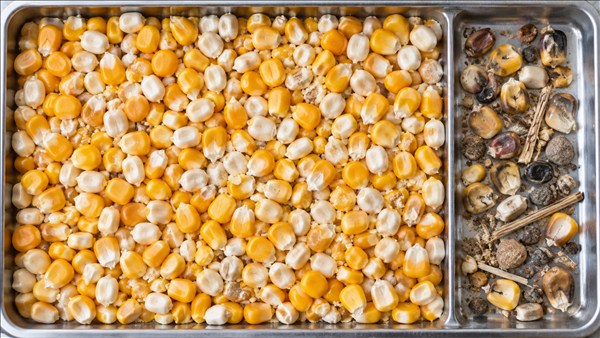
Choosing a corn color sorter for Colombia is not a matter of selecting the lowest price or the largest advertised capacity. The right system must match your corn variety, particle form, visible defects, throughput, utility conditions, downstream proc...
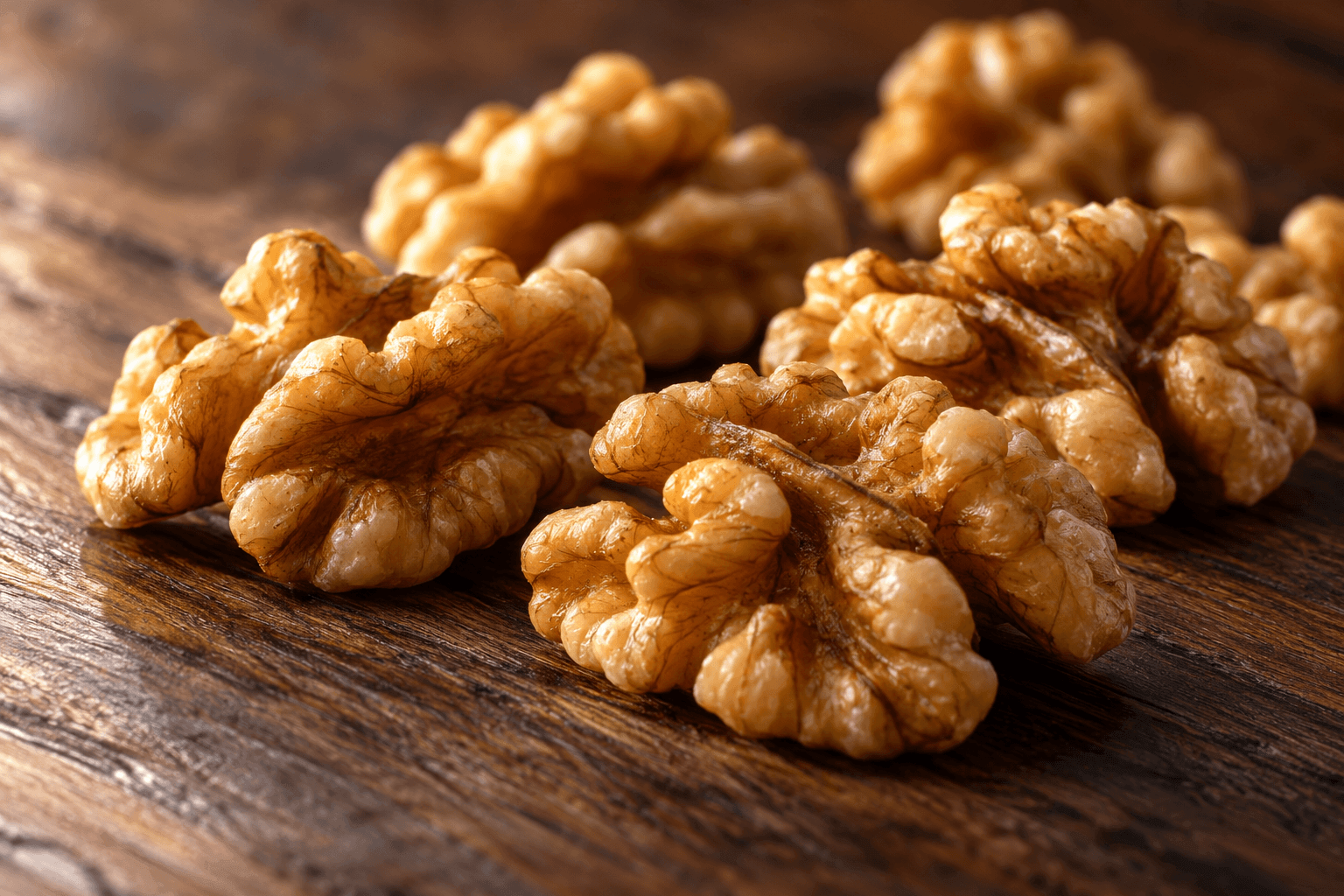
A cracked-walnut line works when every stage has a defined job: clean the mixture, remove shell, separate saleable grades, and control the final packed product. The sorting machine is central to that line, but it performs best when the material reach...

After cracking, walnut processors need to solve two different problems: remove shell efficiently and protect the kernels that carry the selling value. The strongest solution is usually a staged process that combines mechanical separation, infrared sh...
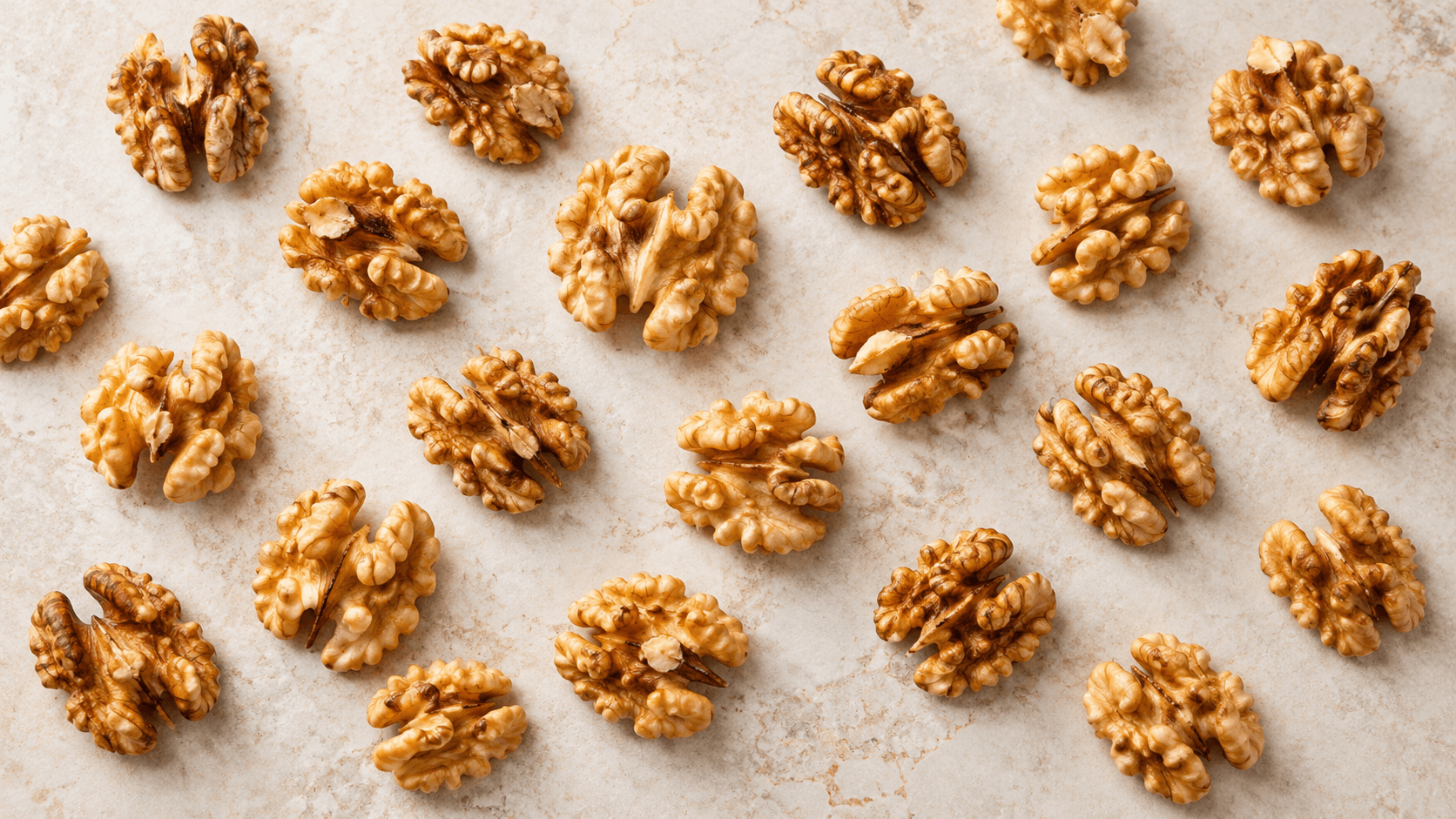
Black, moldy and discolored walnut kernels are not simply “bad colour.” They may represent different grades, different causes and different commercial decisions. WESORT’s AI walnut kernel color sorter converts those visible quality rules into repeata...
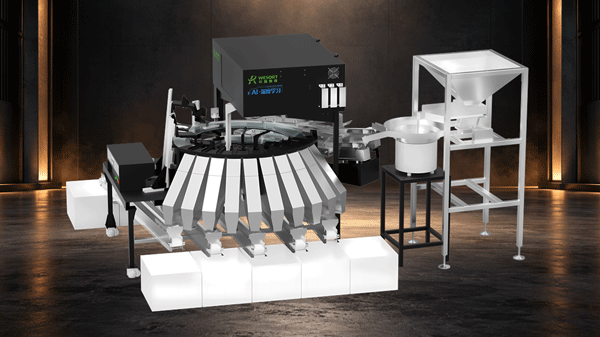
Walnut kernels are commonly sorted with an optical AI sorting machine after cracking, shell separation and preliminary cleaning. The best configuration depends on whether the plant needs colour sorting, visible defect removal, multi-grade separation,...
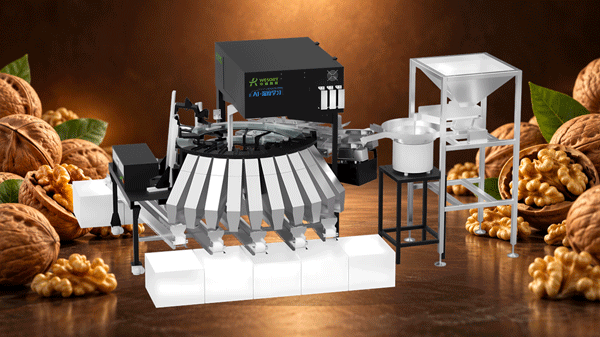
A walnut kernel sorter should do more than remove dark pieces. It should protect valuable halves, separate commercial grades, recognise the visible defects that affect your selling price and fit the way your plant already cracks, cleans, grades and p...
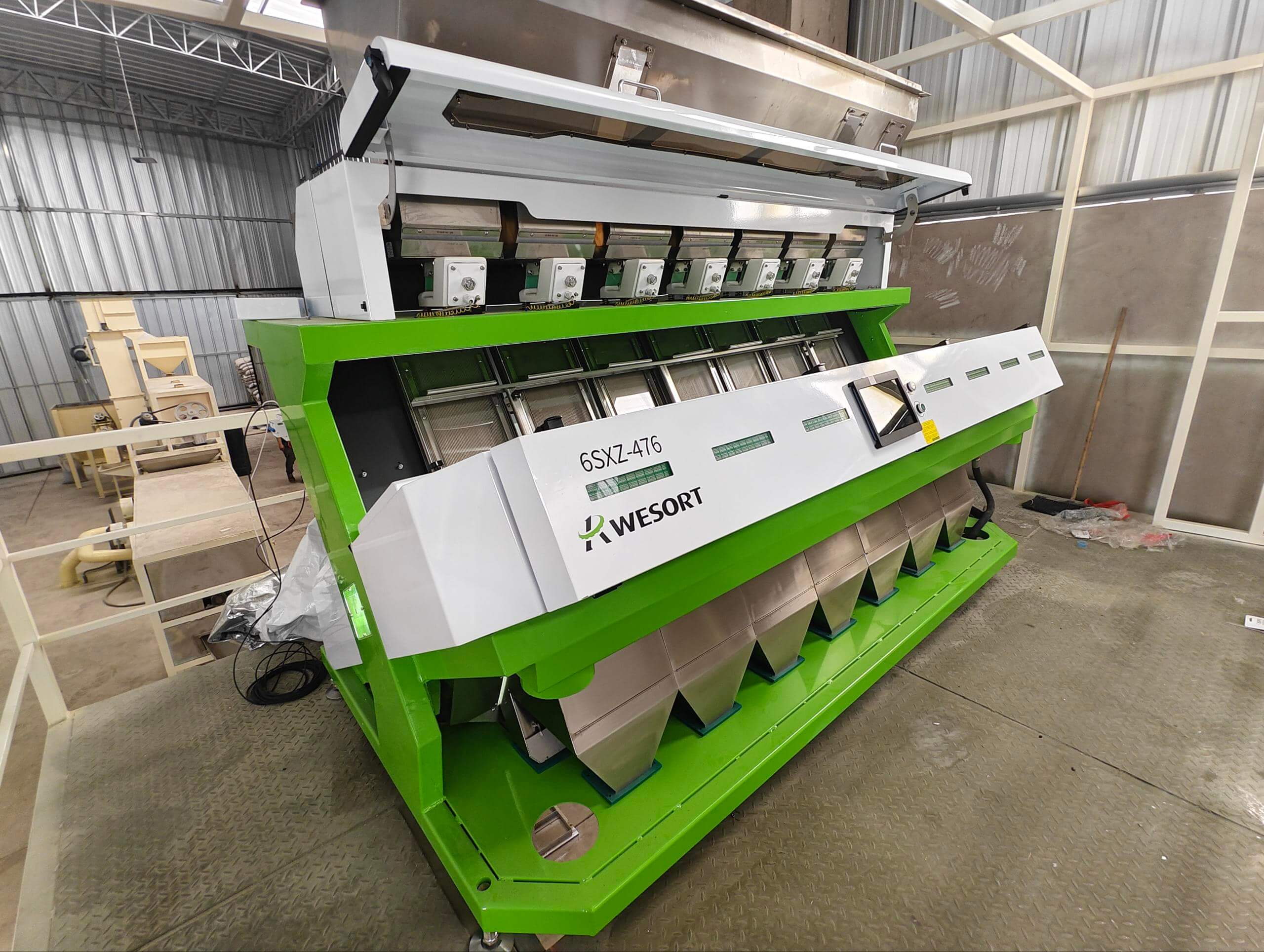
The best bean-sorting result does not begin with a machine setting. It begins with a clear description of the beans you want to pack, the defects your buyer rejects and the amount of good product you are prepared to lose. Short answer: clean and s...

When nut processing enters its busiest weeks, inconsistent raw material, visible defects and foreign materials can quickly become production problems. For processors handling hazelnuts, pistachios, almonds, pecans, Brazil nuts, peanuts and other nut...
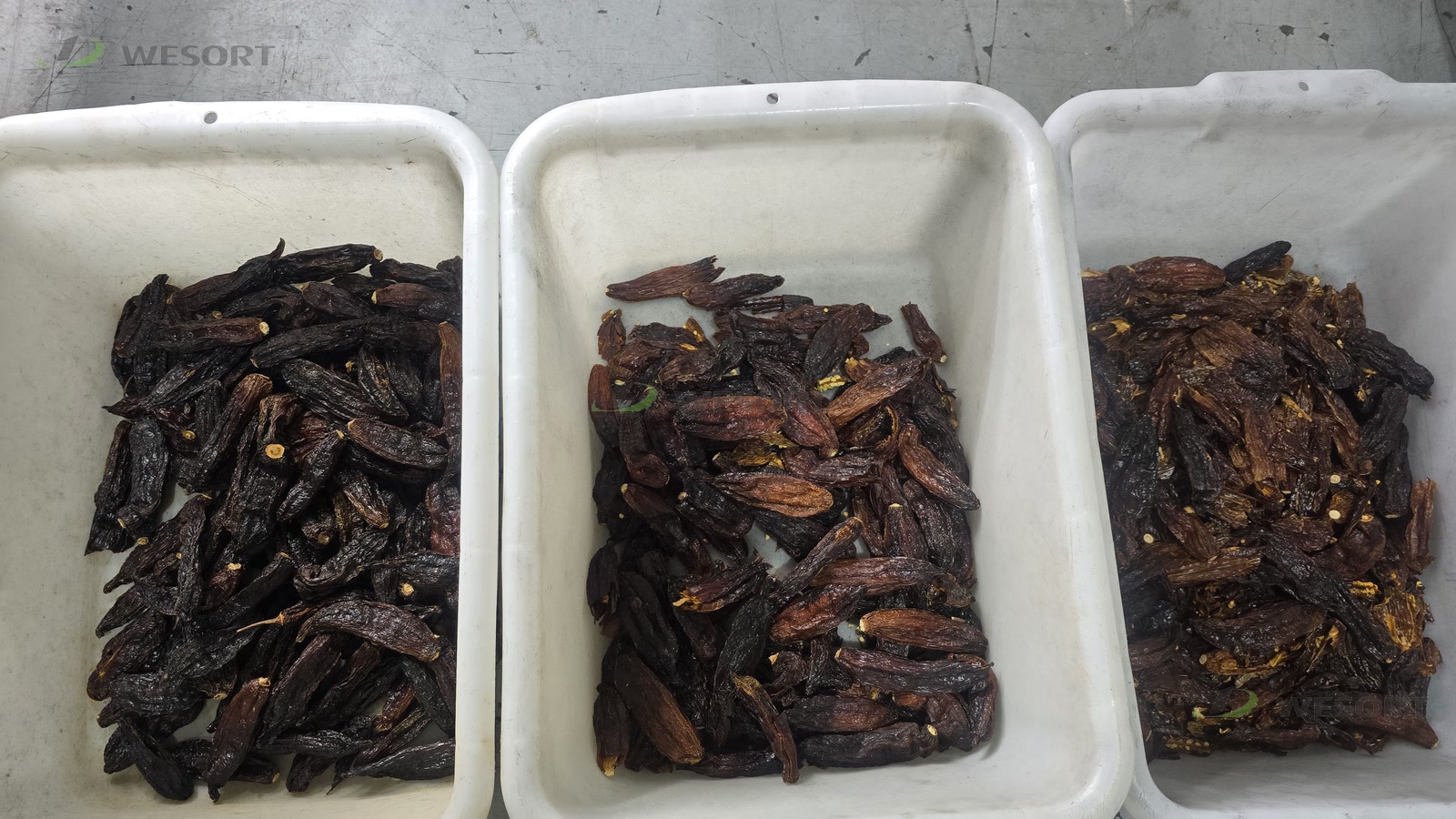
A mixed lot of dried chili rarely has just one problem. Dark pods sit beside red-brown pods, whole product is mixed with broken pieces, and stems or fibrous material remain in the flow. WESORT helps processors turn that mixed lot into clearly defin...
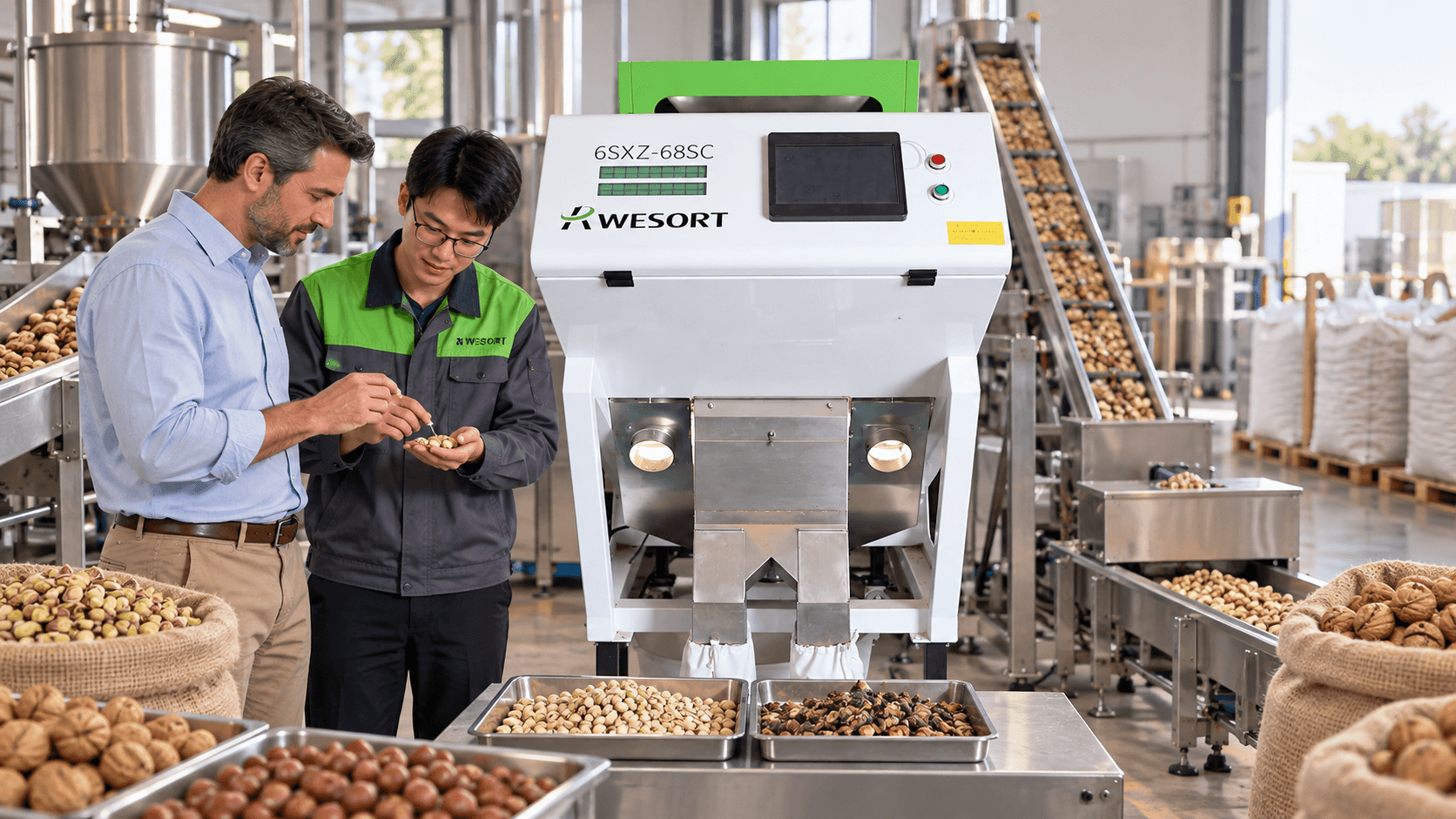
A reliable nut color sorter manufacturer should be able to prove three things before asking you to buy: that your actual material can be separated, that the proposed machine fits your production line, and that technical support will still be availa...
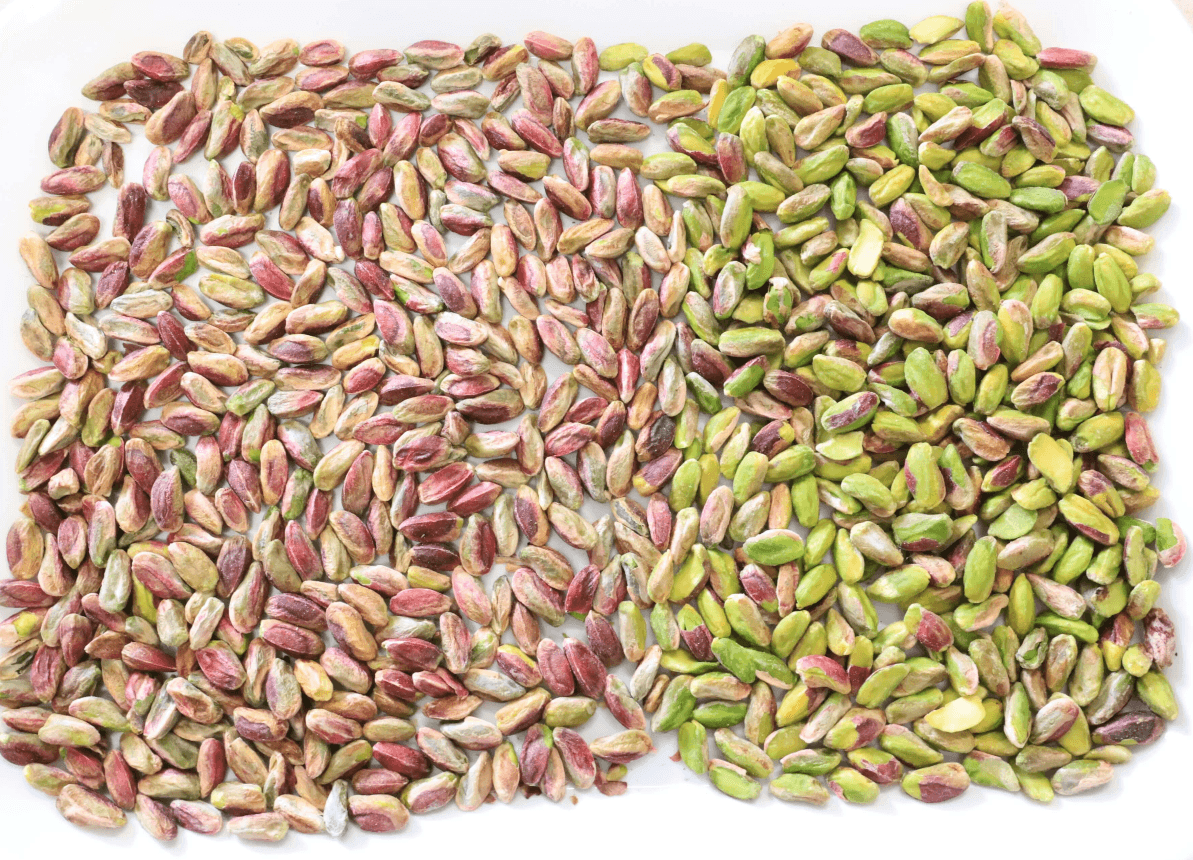
A pistachio sorter should be configured for the material entering it, not for the word “pistachio” alone. An in-shell line may need to separate open and closed shells. A kernel line may need color grades and removal of broken or dark pieces. A post...
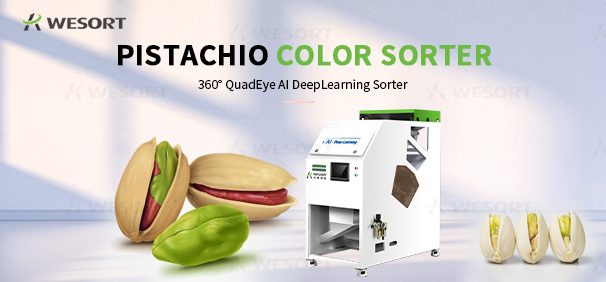
Choosing the right pistachio sorting machine in Turkey is not simply a matter of comparing machine width, number of chutes or advertised capacity. For pistachio processors, the more important question is: What exactly does the machine need to sep...

Choosing a coffee sorting machine in Colombia should not begin with the number of chutes or a headline capacity. It should begin with five facts about the coffee entering your line and the product you need to deliver. Without them, two machines th...
A garlic sorting machine can separate cloves that differ visibly from the accepted product in color, skin coverage, shape, size or surface condition. Typical targets include cloves with attached purple skin, incomplete peeling, yellow or brown disc...
Don’t bring only a business card. Bring the coffee your team is struggling to sort. From October 15 to 18, WESORT will be at Cafés de Colombia Expo 2026 in Bogotá. At Booth 2466, visitors can see how optical sorting responds to real coffee material...
Industry Background and Problem Introduction Coffee processing combines natural variation in agricultural material with increasingly specific buyer and quality requirements. Fresh coffee cherries, parchment coffee, green beans and roasted beans are d...
Sorting fresh coffee cherries before pulping or drying can help a processor separate visibly different fruit into more consistent lots. The right approach depends on the cherries, the acceptance standard and where the sorter will sit in the processin...
Table of Contents Start with the bean application Six criteria that affect the real result What WESORT brings to bean sorting How to run a meaningful sample test FAQ The best beans color sorting machine is the one that matches your bean variety, targ...
If you are looking for where to buy a corn color sorter from China, the right starting point is not a marketplace price list. A corn processor needs a manufacturer that can test the actual maize, define the target defects, recommend a suitable machin...
A popular walnut kernel color sorter is not simply the machine with the most attractive specification sheet. Walnut processors need equipment that can recognize black, mold-like, red, yellow, shriveled, broken and shell-containing kernels, maintain s...
Choosing a corn color sorter for Colombia is not a matter of selecting the lowest price or the largest advertised capacity. The right system must match your corn variety, particle form, visible defects, throughput, utility conditions, downstream proc...